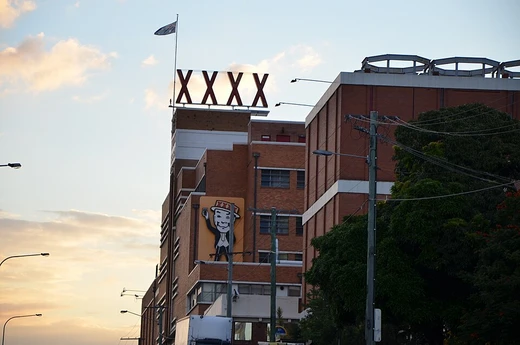
Asia Brewery
Philippine brewer and diversified beverage company since 1982.

Bagoto · CC BY-SA 4.0
Asia Brewery, Inc. is a Philippines-based diversified beverage company owned by LT Group, Inc., a publicly listed holding company of Lucio Tan. Established in 1982, it is notable for launching several beer brands and later expanding into non-alcoholic beverages, dairy, and international brand distribution.
Quick Facts
- Founded
- 1852-01-17 / 1982-01-27
- Founder
- Lucio C. Tan, Sr.
- Hq Location
- Makati, Philippines
- Area Served
- Philippines
- Key People
- Lucio C. Tan, Sr. (Chairman) / Michael G. Tan (President)
- Products
- Beer, Alcomix, Non-Alcoholic Beverages
- Parent
- LT Group, Inc.
Facts from the source article.
Lore & Background
Asia Brewery, Inc. was established by Lucio Tan on January 27, 1982, with the inauguration of its brewery in Cabuyao, Laguna and the launch of its first brand, Beer Hausen Pale Pilsen. This was followed by Max Premium beer in 1983, Manila Beer in 1985, and Beer Pale Pilsen in 1988. Beer Pale Pilsen (now Beer Na Beer) was launched with much controversy. By 1992, the company inaugurated its second brewery at El Salvador, Misamis Oriental with a capacity of 2 million hectoliters of beer per annum.
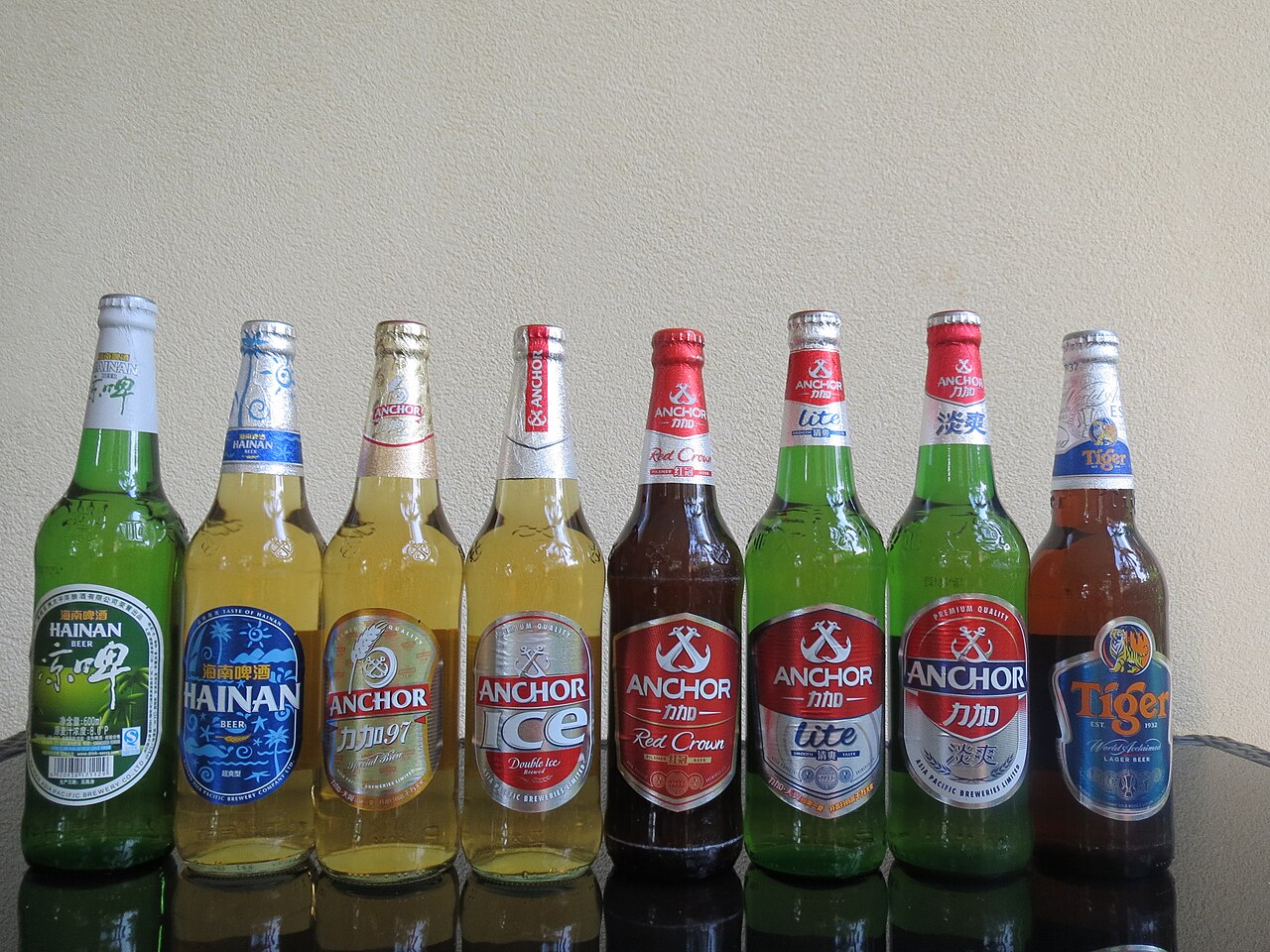
The company diversified its product line with bottled water (Summit and Absolute), iced tea drinks (Pacific Sun), sport drinks (100Plus Isotonic Drink and Cobra Energy Drink), and alcoholic mixes (Tanduay Ice and Tanduay Black). It has brewed Colt 45 under license and distributed Asahi Super Dry. It was previously a licensee brewer of Carlsberg, Budweiser, Lone Star, Coors Original, and Coors Light. In May 2016, it signed an agreement with Heineken International to establish AB Heineken Philippines, Inc., and began distributing Heineken and Tiger Beer.
Asia Brewery also entered the dairy market through a joint venture with Spanish dairy company Grupo Leche Pascual (renamed Calidad Pascual in 2014), forming AB Pascual Foods. It acquired the license to manufacture and distribute ready-to-drink Nestea in March 2014, and has distributed Vitamilk soy milk from Thailand since 2011. The company has also been the Philippine bottler of Virgin Cola through its subsidiary InterBev Philippines, Inc. until the closure of Virgin Cola.
Reader's Guide
Asia Brewery's significance lies in its role as a major challenger in the Philippine beer market, established by prominent businessman Lucio Tan. Its history includes controversial brand launches and a steady expansion from beer into a wide range of beverages, including water, energy drinks, iced tea, dairy, and alcoholic mixes. The company's strategy of licensing and distributing international brands—such as Colt 45, Asahi Super Dry, Heineken, and Tiger Beer—while also developing its own labels has allowed it to maintain a diversified portfolio. Its legacy includes the introduction of several now-discontinued brands like Beer Hausen, Manila Beer, and Beer Na Beer, as well as the establishment of joint ventures for Heineken and Pascual dairy products. The company's ability to adapt through licensing agreements and product diversification, including the shift from Carlsberg to Heineken and from Colt 45 to Leon Extra Strong Beer, reflects its ongoing evolution in the competitive Philippine beverage industry.
Did You Know?
- Asia Brewery was established on January 27, 1982, and its first brand was Beer Hausen Pale Pilsen.
- The company's Beer Pale Pilsen (later Beer Na Beer) was launched with much controversy.
- In May 2016, Asia Brewery signed an agreement with Heineken International to form AB Heineken Philippines, Inc.
- Asia Brewery once bottled Virgin Cola in the Philippines through its subsidiary InterBev Philippines, Inc.
Ancient Roots of Asian Brewing
Long before modern industrial processes took shape, the peoples of Asia were already fermenting grain into drink. In Armenia, brewing traditions stretch back to antiquity, with one of the earliest confirmed written records appearing in the fifth century B.C. The Greek historian Xenophon, in his work Anabasis, described visiting a village where large bowls held a barley-based beverage. Floating malt grains reached the rim of the vessels, and reeds of varying lengths served as improvised drinking straws. He noted the unadulterated drink was potent and its flavor required acclimation. This passage stands as a remarkable snapshot of ancient Asian fermentation culture, predating by millennia the organized brewing companies that would later emerge across the continent. The fact that such a detailed, sensory account survived from that era underscores how deeply embedded grain-based brewing was in daily life across the region, even in small settlements far from major trade routes.
Myanmar's Market Transformation
Myanmar's beer industry illustrates how foreign investment can reshape a domestic market within a single decade. Myanmar Brewery holds roughly 80 percent of the national market, with 45 percent of its ownership resting with the Union of Myanmar Economic Holdings Limited. Its portfolio spans Myanmar Beer, Double Strong Beer, and two variants of Andaman Gold. The landscape shifted dramatically around 2015, when three major international players made simultaneous moves. Kirin Brewery entered a joint venture with Myanmar Brewery to handle production and distribution. The Carlsberg Group partnered with Myanmar Golden Star to establish Myanmar Carlsberg Company Ltd, which opened a seventy-five-million-dollar facility that month, producing Carlsberg, Turborg, and a new local brand called Yoma. Meanwhile, Heineken International broke ground on a sixty-million-dollar brewery in Yangon through a partnership with Alliance Brewery Company, yielding Tiger, Heineken, ABC stout, and a rice-based beer named Regal Seven. This wave of capital and expertise transformed Myanmar from a largely single-brand market into a competitive, multi-brand arena.
Brewing Under Adversity in North Korea
North Korea's brewing scene is shaped as much by scarcity as by tradition. The country operates at least ten major breweries alongside numerous smaller operations, producing a broad range of beer products. The most recognized brand is Taedonggang, a light lager that has earned international acknowledgment for its quality. Yet the nation's chronic challenges with goods distribution and unreliable electricity have forced brewers to adapt in creative ways. Because refrigeration is difficult to maintain, North Korean producers developed a local version of steam beer, a style originally from America that is brewed at higher-than-normal temperatures, making it shelf-stable without cold storage. To reduce the logistical burden of transporting finished product, many restaurants and hotels now house their own microbreweries, brewing directly on site. Beer ranks second in consumption behind the national spirit soju, and while it has been accessible to ordinary citizens since the 1980s, it remains subject to rationing. Tourists, by contrast, can purchase inexpensive beer without such restrictions.
A Continent of Diverse Brews
The Asian brewing landscape is defined by an extraordinary range of scale, style, and regional identity. In Armenia alone, six established brewing companies operate across the country, each tied to a specific city or province. Yerevan Brewery offers around fifteen beer varieties, primarily under the Kilikia name, a nod to a historic Mediterranean kingdom. Gyumri produces lagers under three distinct brands, while Kotayk in Abovyan draws its identity from the surrounding province and also markets Erebuni and Urartu. Smaller operations like Lihnitis Sevan, Hayasy Group, and Dilijan Brewery each contribute their own local character. Beyond these industrial players, eight microbreweries and brewpubs produce unfiltered draught beer, catering to craft-oriented drinkers. Across the broader continent, the represented nations span a vast geographic and cultural range, each with its own dominant brands and production philosophies. The common thread is that beer, the most widely consumed alcoholic beverage globally and the third-most popular drink behind only water and tea, finds expression in every corner of the region, from ancient village bowls to multi-million-dollar modern facilities.
Gallery


Frequently Asked Questions
Who is Asia Brewery?
Asia Brewery is a Philippine-based beverage company that began in 1982 as a beer producer and has since grown into a diversified player spanning dairy, non-alcoholic drinks, and international brand distribution.
Who founded Asia Brewery and when did it start?
Lucio Tan established the company on January 27, 1982, and it currently operates as a subsidiary of his publicly listed holding company, LT Group, Inc.
What was Asia Brewery's first beer?
The company's inaugural product was Beer Hausen Pale Pilsen, which marked the launch of its brewing operations in the Philippines.
Where are Asia Brewery's production facilities located?
They run breweries in Cabuyao, Laguna and El Salvador, Misamis Oriental, with the Misamis site rated at roughly two million hectoliters of annual capacity.
How has Asia Brewery expanded beyond beer?
Over the decades the company broadened its lineup to include dairy products, non-alcoholic beverages, and distribution rights for foreign beer brands within the Philippine market.
More in Beer Brands 1-24
Spotted an error? Know more?
Reader corrections go straight into our review queue. Suggest an edit · How this site is sourced