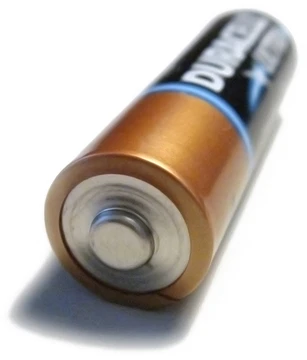
Rechargeable battery
Rechargeable batteries can be charged, discharged, and recharged many times.
Last updated

WaxPhilosophic · CC BY-SA 4.0
A rechargeable battery, also called a storage battery or secondary cell, is an electric battery that can be charged, used to power a device, and recharged repeatedly. This sets it apart from a disposable or primary battery, which comes fully charged and is thrown away after a single use. It contains one or more electrochemical cells.
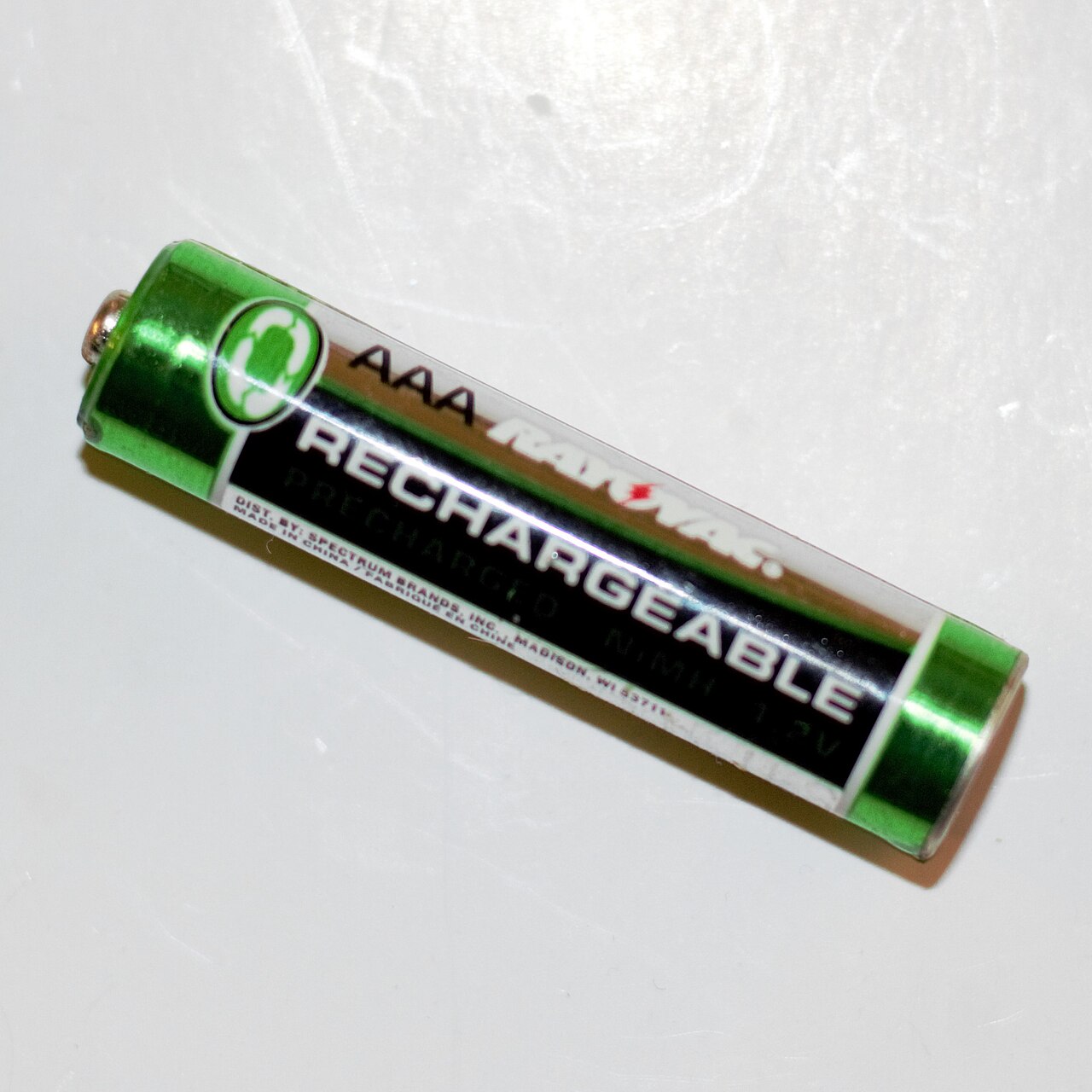
Commercial types
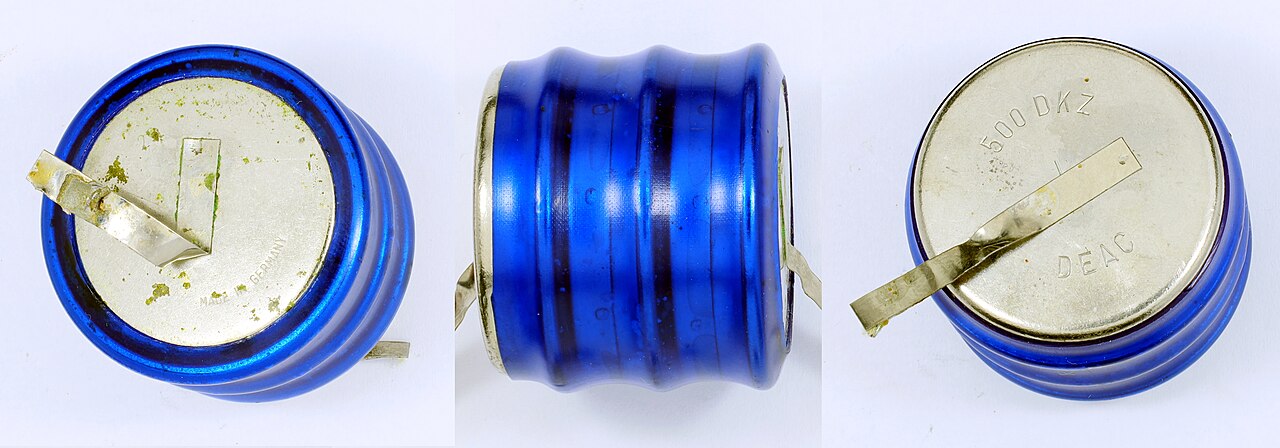
The name "accumulator" comes from its ability to gather and hold energy through a reversible electrochemical reaction. These batteries come in a wide range of sizes and shapes, from tiny button cells up to massive megawatt systems that help keep electrical distribution networks stable. Different types use various combinations of electrode materials and electrolytes, such as lead–acid, zinc–air, nickel–cadmium (NiCd), nickel–metal hydride (NiMH), lithium-ion (Li-ion), lithium iron phosphate (LiFePO4), and lithium-ion polymer (Li-ion polymer).
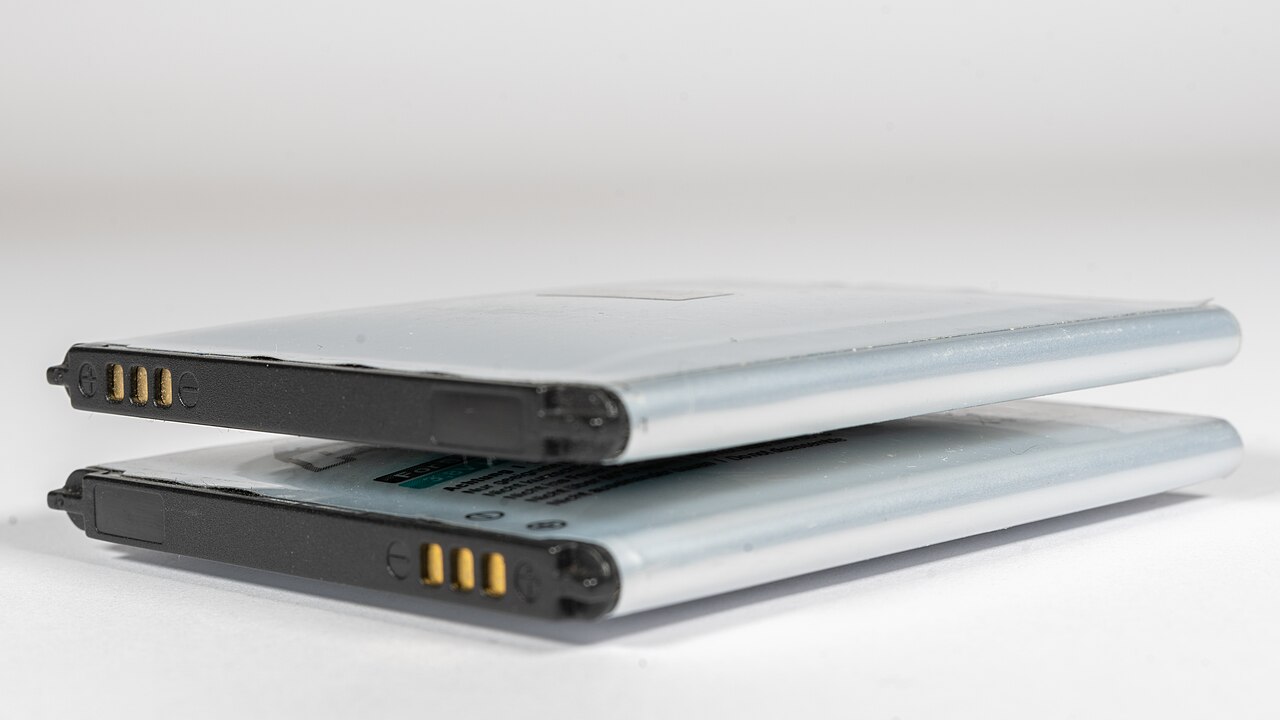
Although rechargeable batteries usually cost more upfront than disposables, they are cheaper overall and have a smaller environmental impact because they can be recharged many times at low cost before needing replacement. Some rechargeable types come in the same sizes and voltages as disposables, so they can be swapped in directly. Worldwide, billions of dollars are being spent on research to improve batteries, as industries focus on making them better.
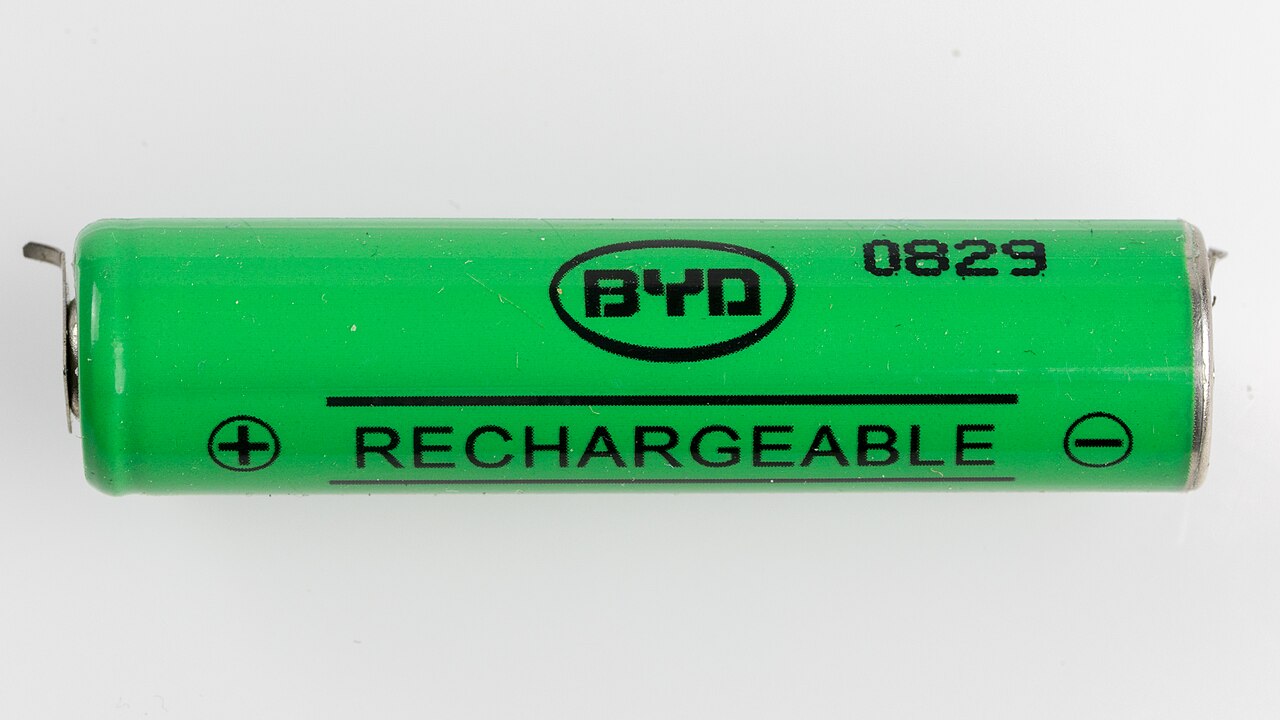
Applications
Rechargeable batteries power a huge variety of devices: car starters, portable consumer electronics, light vehicles like motorized wheelchairs, golf carts, electric bicycles, and forklifts, as well as road vehicles (cars, vans, trucks, motorbikes), trains, small airplanes, tools, uninterruptible power supplies, and battery storage power stations. New uses in hybrid and electric vehicles are pushing technology to lower cost, weight, and size while extending lifespan.
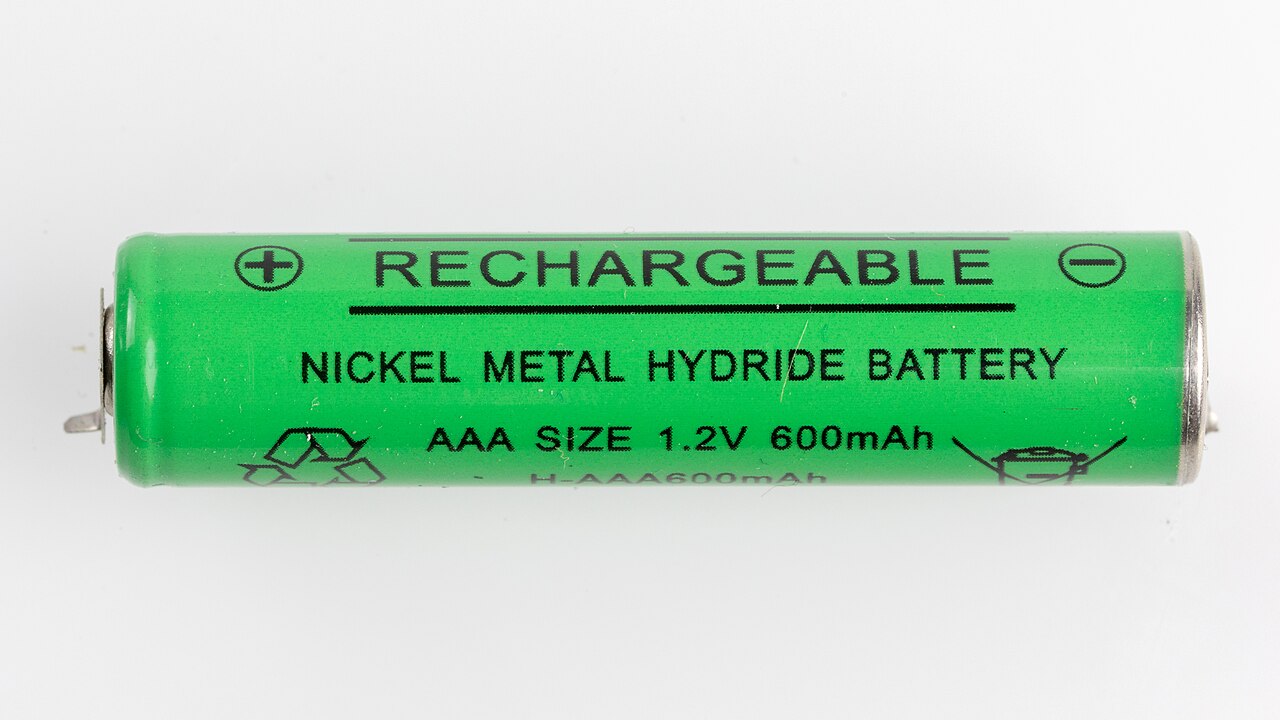
Older rechargeable batteries lose their charge over time and need charging before first use. Some newer low self-discharge NiMH batteries can hold a charge for many months and are often sold already charged to about 70% of their rated capacity.
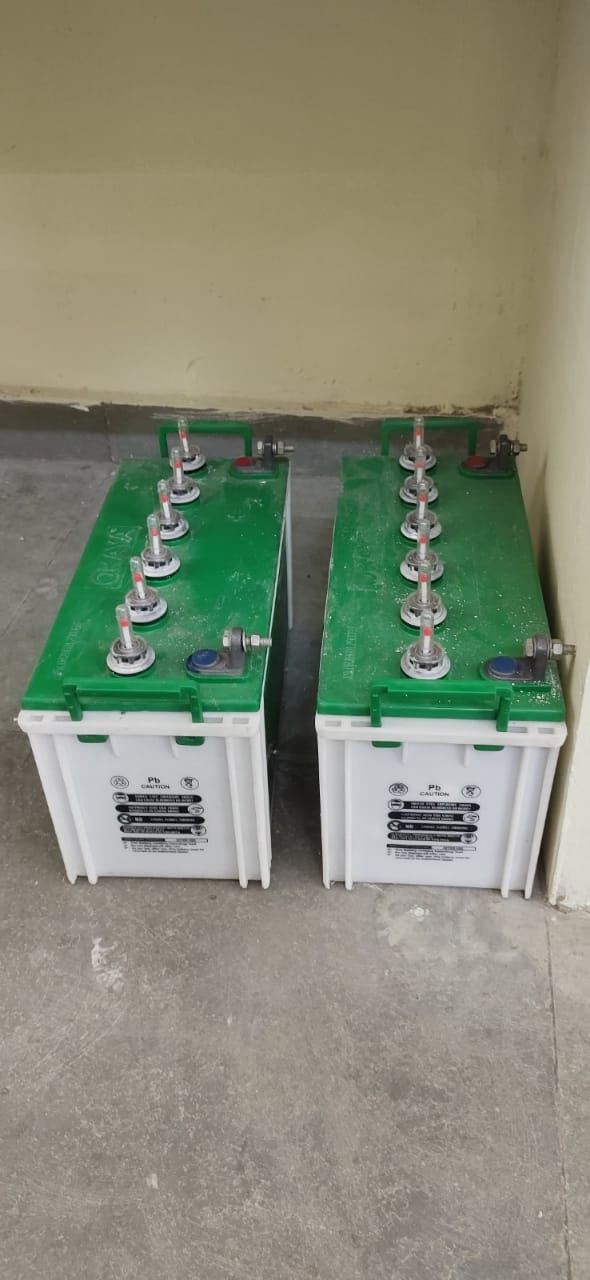
Battery storage power stations use rechargeable batteries for load-leveling—storing electricity when demand is low and releasing it during peak periods—and for storing renewable energy, such as power from solar panels during the day for use at night.
Quick Facts
- Cagr forecast
- 8.32% during 2018–2022
- Lead acid cell voltage
- 2 V
Facts from the source article.
Lore & Background
Rechargeable batteries typically initially cost more than disposable batteries but have a much lower total cost of ownership and environmental impact, as they can be recharged inexpensively many times before they need replacing. Some rechargeable battery types are available in the same sizes and voltages as disposable types, and can be used interchangeably with them. Billions of dollars in research are being invested around the world for improving batteries as industry focuses on building better batteries.
Older rechargeable batteries self-discharge and require charging before first use; some newer low self-discharge NiMH batteries hold their charge for many months, and are typically sold factory-charged to about 70% of their rated capacity. Devices which use rechargeable batteries include automobile starters, portable consumer devices, light vehicles, road vehicles, trains, small airplanes, tools, uninterruptible power supplies, and battery storage power stations. Emerging applications in hybrid internal combustion-battery and electric vehicles drive the technology to reduce cost, weight, and size, and increase lifetime.
During charging, the positive active material is oxidized, releasing electrons, and the negative material is reduced, absorbing electrons. The electrolyte may serve as a simple buffer for internal ion flow between the electrodes, as in lithium-ion and nickel-cadmium cells, or it may be an active participant in the electrochemical reaction, as in lead–acid cells. The energy used to charge rechargeable batteries usually comes from a battery charger using AC mains electricity, although some are equipped to use a vehicle's 12-volt DC power outlet.
Reader's Guide
Rechargeable batteries have become essential across a wide range of applications, from small portable consumer devices to large-scale battery storage power stations. Their ability to be recharged many times reduces both long-term cost and environmental impact compared to disposable batteries. The technology continues to evolve, with emerging applications in hybrid and electric vehicles driving efforts to reduce cost, weight, and size while increasing lifetime. Battery storage power stations use rechargeable batteries for load-leveling, storing electric energy at times of low demand for use during peak periods, and for renewable energy uses such as storing power generated from photovoltaic arrays during the day to be used at night.
This load-leveling reduces the maximum power which a plant must be able to generate, reducing capital cost and the need for peaking power plants. Different battery chemistries require different charging schemes; charging a battery incorrectly can damage it, and in extreme cases batteries can overheat, catch fire, or explosively vent their contents. The global rechargeable battery market was forecast to grow at a compound annual growth rate of 8.32% during the period 2018–2022, reflecting the increasing reliance on these energy storage devices across industries and everyday life.
Did You Know?
- The C rate of current is that which would theoretically fully charge or discharge the battery in one hour.
- Cell reversal can occur when a battery made of several cells connected in series is deeply discharged.
Frequently Asked Questions
Who is Rechargeable battery?
A rechargeable battery—also called a secondary cell or storage battery—is an electrochemical power source built to be charged, drained, and charged again many times over. Its nickname 'accumulator' reflects the way it gathers and holds energy through a reversible chemical reaction, setting it apart from a single-use primary cell.
How does Rechargeable battery differ from its rival, the disposable cell?
A primary (disposable) battery ships fully charged and is discarded after a single use, whereas a secondary cell is engineered for repeated recharging. For example, a low-self-discharge NiMH cell leaves the factory at roughly 70 % of rated capacity and can hold that charge for many months, while a standard alkaline zinc-carbon cell sits near 1.5 V per cell and simply runs down until it is thrown away.
More in Battery Types
Sources
Compiled from Wikipedia and the sources listed below. Text from Wikipedia is available under CC BY-SA 4.0; this entry is adapted from it.
- Wikipedia: Rechargeable battery (CC BY-SA 4.0).
Spotted an error? Know more?
Reader corrections go straight into our review queue. Suggest an edit · How this site is sourced