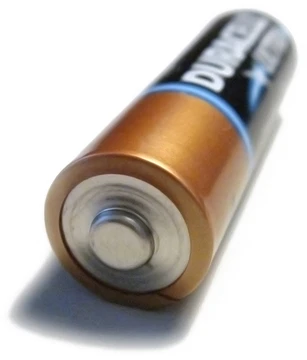
Lithium polymer battery
A rechargeable battery using a solid or gel polymer electrolyte.
Last updated

Rebirth10 · CC BY-SA 4.0
A lithium polymer battery—more accurately called a lithium-ion polymer battery (also known as LiPo, LIP, Li-poly, or lithium-poly)—is a type of rechargeable battery that builds on lithium-ion and lithium-metal technology. Its key difference is the electrolyte: instead of a liquid lithium salt (like lithium hexafluorophosphate) dissolved in an organic solvent, it uses a solid or semi-solid polymer electrolyte, such as polyethylene glycol, polyacrylonitrile, poly(methyl methacrylate), or poly(vinylidene fluoride). This system is sometimes called a hybrid polymer electrolyte (HPE) when it combines a polymer matrix with a liquid solvent and salt.
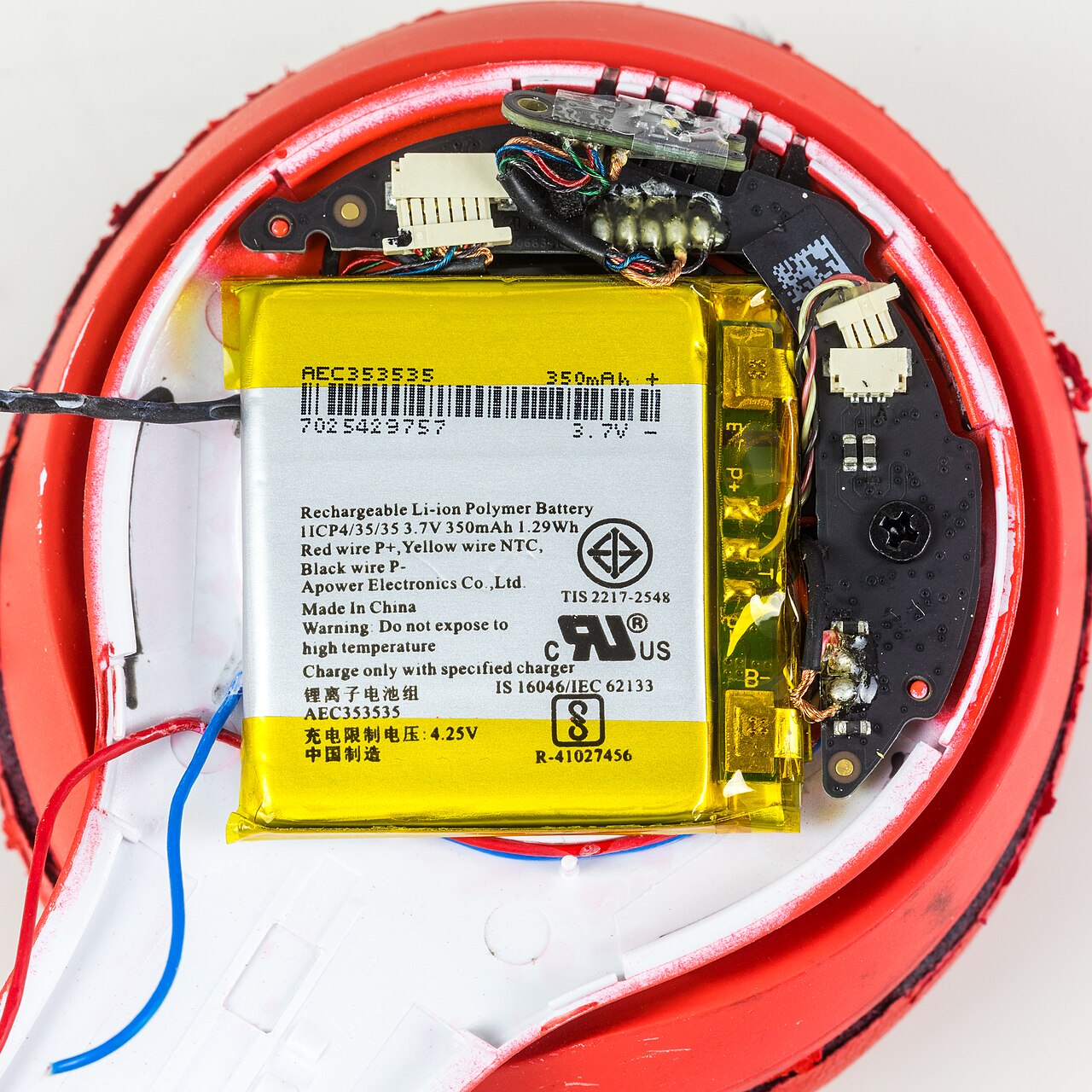
Polymer electrolytes fall into two main categories: dry solid polymer electrolytes (SPE) and gel polymer electrolytes (GPE). Compared to liquid or solid organic electrolytes, polymer types offer better resistance to electrode volume changes during charging and discharging, improved safety, excellent flexibility, and higher specific energy than other lithium battery types. They are used in weight-sensitive applications like laptops, tablets, smartphones, radio-controlled aircraft, and some electric vehicles.
History
The dry SPE was first used in prototype batteries around 1978 by Michel Armand, and later in 1985 by ANVAR and Elf Aquitaine of France, and Hydro-Québec of Canada. Sony began researching lithium-ion cells with gelled polymer electrolytes in 1988, before the liquid-electrolyte lithium-ion cell hit the market in 1991. Polymer batteries seemed promising at the time, and polymer electrolytes were expected to become essential. This type of cell eventually reached the market in 1998.
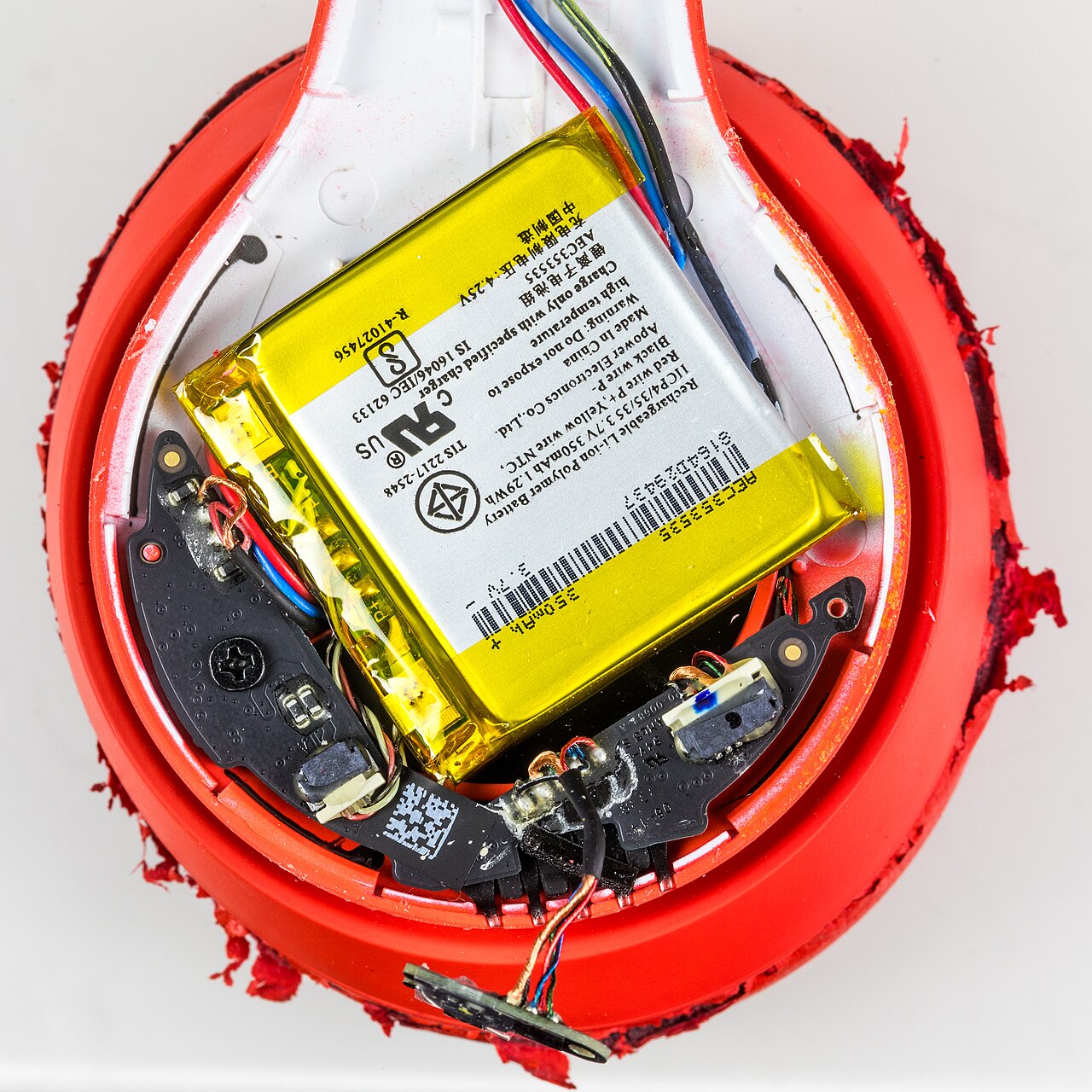
However, some researchers argue that gelled membranes are not "true" polymer electrolytes but hybrid systems where liquid phases are trapped in a polymer matrix. Even though these electrolytes may feel dry to the touch, they can still contain 30% to 50% liquid solvent. Since 1990, organizations like Mead and Valence in the United States and GS Yuasa in Japan have developed batteries using gelled SPEs. In 1996, Bellcore in the United States announced a rechargeable lithium polymer cell using a porous SPE, called a plastic lithium-ion cell (PLiON), which was commercialized in 1999.
Working principle
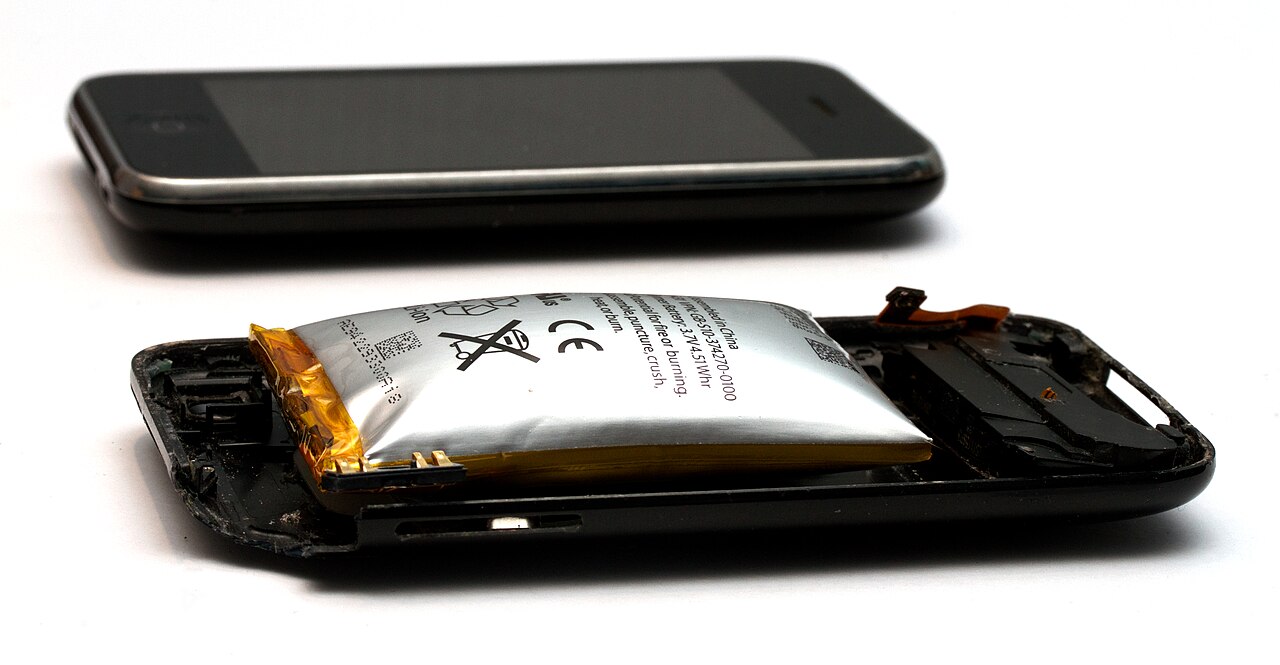
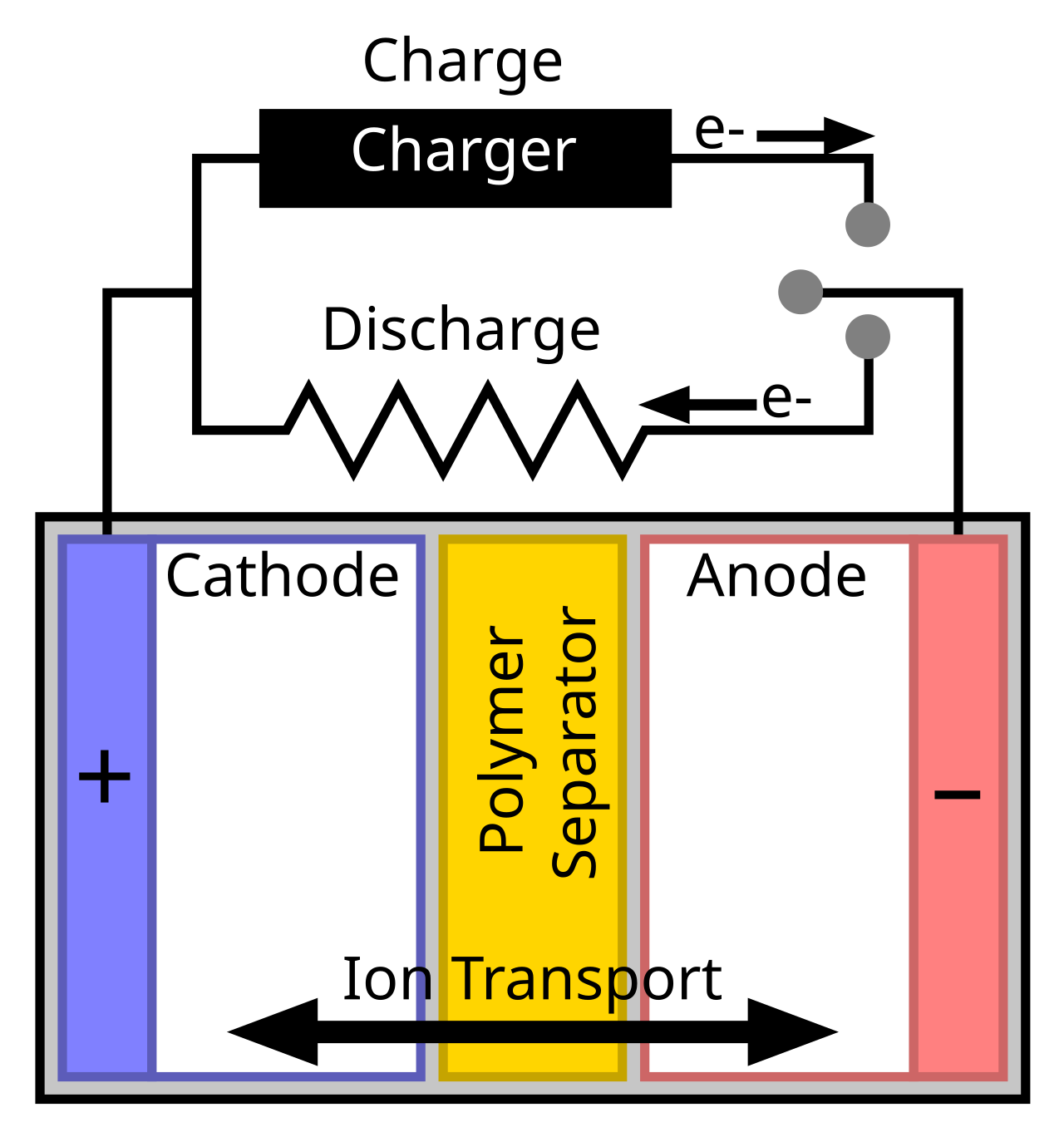
Like other lithium-ion cells, LiPo batteries work by intercalating and de-intercalating lithium ions between a positive and negative electrode.
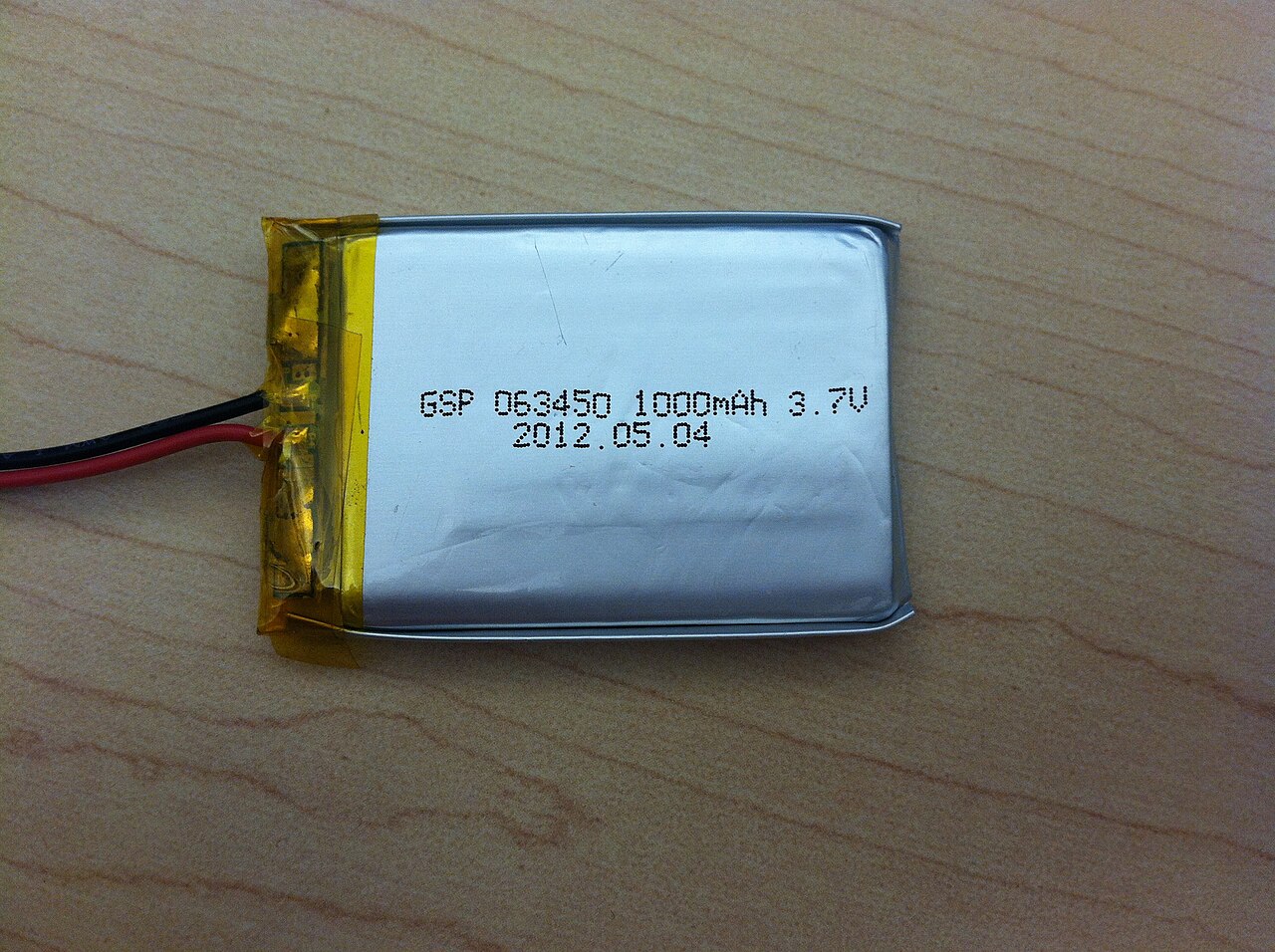
Lore & Background
The dry solid polymer electrolyte was first used in prototype batteries around 1978 by Michel Armand, and in 1985 by ANVAR and Elf Aquitaine of France, and Hydro-Québec of Canada. Sony began research on lithium-ion cells with gelled polymer electrolytes in 1988, before the commercialisation of the liquid-electrolyte lithium-ion cell in 1991. This type of cell entered the market in 1998.
However, some argue that gelled membranes are not 'true' polymer electrolytes but rather hybrid systems where liquid phases are contained within the polymer matrix; these electrolytes may be dry to the touch yet still contain 30% to 50% liquid solvent. Since 1990, organisations such as Mead and Valence in the United States and GS Yuasa in Japan developed batteries using gelled solid polymer electrolytes. In 1996, Bellcore in the United States announced a rechargeable lithium polymer cell using a porous solid polymer electrolyte, called a plastic lithium-ion cell (PLiON), which was commercialised in 1999.
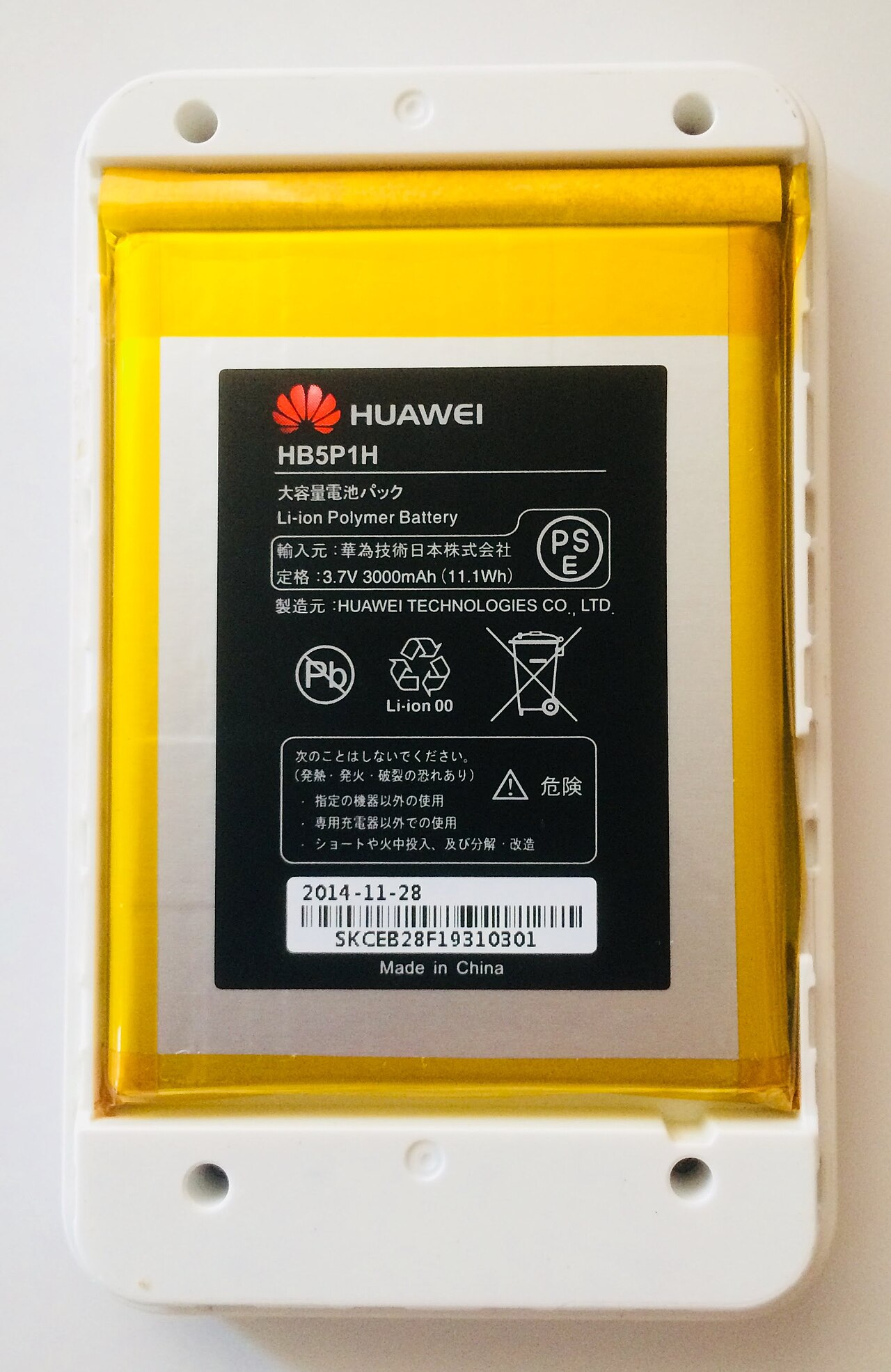
Like other lithium-ion cells, LiPo batteries operate via intercalation and de-intercalation of lithium ions between positive and negative electrodes, using a gelled or solid polymer-based electrolyte as the conductive medium. A microporous polymer separator prevents direct electrode contact while allowing lithium-ion transport.
The electrolyte types fall into two categories: dry solid polymer electrolytes (SPE) and gel polymer electrolytes (GPE). Dry SPEs initially had poor ion transfer and low conductivity at room temperature; to improve this, gelled electrolyte was added, forming GPEs. GPEs incorporate an organic liquid electrolyte in the polymer matrix, giving properties between those of liquid and solid electrolytes, with higher thermal stability and low volatility that contribute to safety.
Reader's Guide
Lithium polymer batteries have become significant due to their ability to be produced in almost any desired shape, meeting the space and weight requirements of mobile devices and notebook computers. Their low self-discharge rate of about 5% per month and high energy density outweigh cost considerations in many applications. They are now nearly ubiquitous in commercial and hobby drones, radio-controlled aircraft and cars, and large-scale model trains, where lower weight and increased capacity and power delivery justify the price. LiPo packs also see widespread use in airsoft for higher discharge currents and better energy density than traditional NiMH batteries.
In mobile devices, power banks, very thin laptops, portable media players, wireless controllers, and electronic cigarettes, their small form factors are sought. Hyundai Motor Company and Kia Motors use LiPo batteries in some battery-electric and hybrid vehicles, and the Bolloré Bluecar in car-sharing schemes also uses this type. LiPo batteries are increasingly used in uninterruptible power supply systems, offering benefits over traditional VRLA batteries in power-to-size and -weight ratios, longer cycle life, usable energy, and thermal runaway characteristics, particularly in data centers where space is at a premium. Portable jump starters for vehicles use three or six LiPo cells in series to start internal combustion engines, replacing larger and heavier lead-acid jump starters.
More in Battery Types
Sources
Compiled from Wikipedia and the sources listed below. Text from Wikipedia is available under CC BY-SA 4.0; this entry is adapted from it.
- Wikipedia: Lithium polymer battery (CC BY-SA 4.0).
Spotted an error? Know more?
Reader corrections go straight into our review queue. Suggest an edit · How this site is sourced