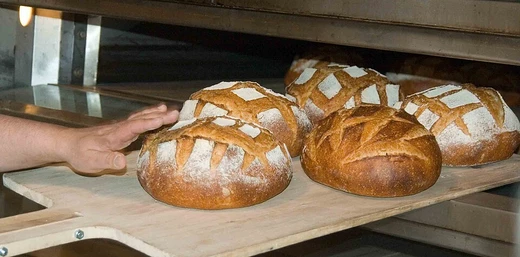
Shortcrust pastry
A versatile pastry used for sweet and savory pies.

Shortcrust pastry is a versatile dough used primarily as a base for tarts, quiches, pies, and flans (in British English). It works for both sweet and savory dishes, including apple pie, quiche, lemon meringue, and chicken pie. A sweetened version made with butter is used for spritz cookies.
Recipes typically call for twice as much flour as fat by weight. The fat—such as lard, shortening, butter, or traditional margarine—is rubbed into plain flour to form a loose mixture. A small amount of ice water binds it, and the dough is then rolled out and shaped for the top or bottom of a pie. Often, equal parts butter and lard are used, keeping the combined fat weight half that of the flour. Butter adds rich flavor, while lard ensures a good texture.
**Types**
Pâte à foncer is a French shortcrust that includes egg. The egg and butter are worked together with a little sugar and salt before flour is added, then cold water binds it.
Pâte brisée is similar to pâte à foncer but lighter and more delicate, with up to three-fifths the quantity of flour in butter. It is often made without sugar, serving as a savory crust for meat pies and quiches like Quiche Lorraine. The name means "broken pastry." According to the French-American Cultural Foundation, it is a classic of French pastry. It uses flour, cold or softened butter, eggs, salt, and ice water. Marie-Antoine Carême described making it by rubbing in butter and folding the dough by hand on a board, noting it is used particularly for gateaux des rois.
Pâte sablée contains more sugar, which sweetens the mix and hinders gluten development, creating a pastry that crumbles easily in the mouth. A gluten-free version is also possible.
Pâte sucrée shares the same ingredients as pâte sablée, but the butter is creamed with sugar and eggs before flour is folded in. This distributes the butter more evenly, causing the dough to puff less and produce a snappy, dry pastry rather than a crumbly one. Alternatively, according to the Traite de Patisserie Moderne, adding sugar to pâte brisée yields pâte sucrée.
**Techniques**
In preparing shortcrust, fat and flour are cut into each other rather than blended, and ingredients are kept cold. This keeps the fat distinct; when heated during baking, steam releases, creating pockets for a flaky crust. Water is added only after fat and flour are thoroughly combined, coating flour granules with fat to limit gluten development and ensure a crumbly or "short" texture. This can be done with a food processor, a pastry blender, two table knives held in one hand, or by smearing the mixture with the heel of the hand (fraisage).
Overworking the dough is a hazard, as it elongates gluten strands and makes the product tough. Low-protein soft wheat flour, like cake flour, is preferred because it resists becoming overworked and tough.
**Decorative Techniques**
A pie crust edge is often crimped for visual interest, and for two-crust pies, to seal the top and bottom together and prevent filling from leaking. Crimping can be done by hand, pinching the crusts to create a ruffled edge, or with a tool.
The top crust is often pierced to let steam escape and add visual appeal. Piercing can be done with a knife or through techniques like latticing, which involves interweaving strips of pastry. Another method is cutting horizontal slits into a whole crust and gently pulling them open, known as a "peekaboo" lattice.
**See also**
List of pastries Shortbread
**References**
**Further reading**
Pfeiffer, Jacquy; Shulman, Martha Rose (2013-12-03). The Art of French Pastry: A Cookbook. Knopf Doubleday Publishing Group. ISBN 978-0-307-95935-5.
- type
- Pastry
- primary_use
- Base of tarts, quiches, pies, and flans
- key_ingredients
- Flour, fat (butter, lard, shortening, or margarine), ice water
- fat_to_flour_ratio
- Half as much fat as flour by weight
- varieties
- Pâte à foncer, pâte brisée, pâte sablée, pâte sucrée
Lore & Background
Shortcrust pastry recipes usually call for twice as much flour as fat by weight. Fat (as lard, shortening, butter or traditional margarine) is rubbed into plain flour to create a loose mixture that is then bound using a small amount of ice water, rolled out, then shaped and placed to create the top or bottom of a pie. Often, equal amounts of butter and lard are used to make the pastry, ensuring that the combined weight of the two fat products is still half that of the flour. The butter is employed to give the pastry a rich flavor, while the lard ensures optimum texture. French variations include pâte à foncer, which includes egg; pâte brisée, a lighter and more delicate unsweetened pastry used for savory pies and quiches; pâte sablée, made with more sugar to impede gluten strands and create a crumbly texture; and pâte sucrée, where butter is creamed with sugar and eggs before flour is folded in, producing a snappy, dry pastry. Contrary to some claims, pâte sucrée is a distinct dough with a different method (creaming sugar with butter), not simply pâte brisée with sugar added.
Reader's Guide
Shortcrust pastry is significant as a foundational element in both sweet and savory baking, providing a crisp, flaky base or top for pies, tarts, quiches, and flans. Its legacy lies in its simplicity and adaptability: the basic ratio of twice as much flour as fat allows for variations in fat type (butter for flavor, lard for texture) and the inclusion of eggs or sugar to create distinct French styles such as pâte brisée, pâte sablée, and pâte sucrée. The technique of cutting fat into flour and keeping ingredients cold ensures a flaky texture by preventing gluten development and creating steam pockets during baking. Overworking the dough is a known hazard, as it elongates gluten strands and produces a tough crust. Decorative techniques like crimping edges and latticing top crusts add visual appeal and functionality. Shortcrust's influence extends to cookies, as a sweetened butter version is used for spritz cookies. Its enduring presence in home and professional kitchens underscores its role as a versatile, reliable pastry.
Did You Know?
- Shortcrust pastry recipes usually call for twice as much flour as fat by weight.
- Often, equal amounts of butter and lard are used to ensure the combined fat weight is half that of the flour.
- Pâte brisée translates to 'broken pastry' and is an unsweetened pastry used for savory pies and quiches.
- Overworking the dough elongates gluten strands, creating a tough rather than light and crumbly texture.
Frequently Asked Questions
What is Shortcrust pastry?
Shortcrust pastry is a versatile, unrolled dough that serves as the foundation for tarts, quiches, pies, and flans. It handles both sweet bakes like apple pie and lemon meringue as well as savory dishes such as chicken pie or quiche.
What are the core ingredients in Shortcrust pastry?
The dough is built from just flour, a fat (butter, lard, shortening, or margarine), and ice water. The cold water is essential because it keeps the fat solid until baking, which is what produces the tender, crumbly texture the pastry is known for.
What is the standard fat-to-flour ratio for Shortcrust pastry?
By weight, you use half as much fat as flour—so 100 g of fat to 200 g of flour. This ratio keeps the dough manageable while still delivering the characteristic crumbly, 'short' crumb that gives the pastry its name.
What are the main varieties of Shortcrust pastry?
Common subtypes include pâte à foncer (a plain, no-sugar base), pâte brisée (a French all-purpose shortcrust), pâte sablée (a sandy, butter-rich dough), and pâte sucrée (a sweeter, egg-enriched version). Each suits different applications, from savory quiche bases to delicate tart shells.
Are spritz cookies made from Shortcrust pastry?
No—spritz cookies are a separate type of butter cookie made from a different, non-rolled dough. They share the general 'short' pastry family in name only and should not be confused with true rolled shortcrust.
More in Baking 1-24
Spotted an error? Know more?
This is a living reference — every entry is fact-audited, and reader corrections feed straight into our audit queue. Suggest an edit · See this site's audit record