Cake
A baked confectionery, often served at celebrations.

Cake is a baked (or occasionally griddled) sweet food made by mixing flour with a liquid, a fat (or both), and typically a leavening agent. What we now call cake started out as a variation on bread, but today it includes a huge spectrum of preparations, from simple to elaborate, and shares qualities with other desserts like pastries, meringues, custards, and pies. It is commonly served at celebrations such as weddings, anniversaries, and birthdays.
A precise definition of cake has always been tricky. The earliest cakes were basically bread with sweet additions, and for much of history, the words "bread" and "cake" were used interchangeably—some still consider cake a type of bread. Other foods that lack traditional cake properties, like cheesecakes or icebox cakes, are called cake because of their appearance or role as a dessert. Generally, though, cake is defined by being made from a batter rather than a dough.
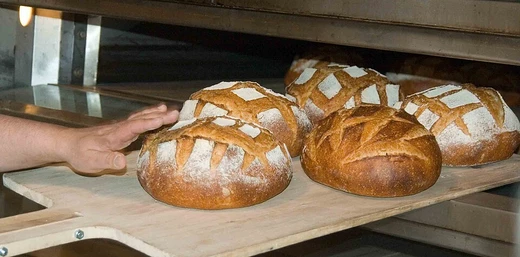
The word "cake" comes from the Old Norse *kaka*, of Viking origin. The oldest cakes were sweetened breads. Ancient Greeks made *plakous* (from a word meaning "flat"), using flour, eggs, milk, nuts, and honey, and they pioneered beer as a leavener. In ancient Rome, basic bread dough was sometimes enriched with butter, eggs, and honey to create a sweet, cake-like item called *placenta*, baked on or in a pastry base. In early 14th-century England, cakes were still essentially bread, distinguished mainly by their round, flat shape and the method of turning them over during baking (bread was left upright). Sponge cakes, leavened with beaten eggs, appeared during the Renaissance, possibly in Spain. Cakes became fashionable in the United States in the 1920s as women entered the workforce and had less time for elaborate desserts.
During the Great Depression, a surplus of molasses and the need for easy food led one company to patent a cake-bread mix, creating the first boxed cake mix and turning cake into a mass-produced item. After World War II, companies like General Mills marketed cake mixes for convenience, especially to housewives. When sales dropped in the 1950s, marketers realized that baking cakes had become too simple to be satisfying—housewives, now confined to domestic life amid rising consumerism, had lost the chance to show skill and creativity. Psychologist Ernest Dichter suggested a solution: focus on the frosting. Since the cake itself was so easy, makers could channel their creativity into decorating, inspired by magazine photos of elaborate cakes.
Cake varieties are often distinguished by their ingredients and mixing methods, which affect the final texture. They can also be cooked in ways other than baking. The ingredients—especially leavening agents and fat—determine a cake's texture and size. Batter cakes are made from a liquid batter of creamed butter, sugar, eggs, and flour, with structure from beating certain ingredients (usually butter and sugar) to incorporate air, plus a leavening agent. Examples include butter cake (high butter content) and pound cake (equal parts butter, sugar, flour, and eggs). Foam cakes get their structure and volume mainly from whipping eggs and gently folding in flour and other ingredients, though they may also use chemical leaveners. They often use cake flour for lightness and contain little or no fat, which can hinder rising. Egg-leavened sponge cakes are thought to be the oldest cakes made without yeast. Varieties include sponge cake (using both whites and yolks, slightly denser, may include fat), génoise cake (with clarified butter), white cake (only egg whites, no fat, lighter), and angel food cake (no egg yolks).
- field
- Confectionery and baking
- known_for
- Celebratory dessert, wide range of preparations, and mass-produced cake mixes
- etymology
- From Old Norse kaka
- earliest_known_form
- Modifications of bread with sweet ingredients added
Lore & Background
The oldest cakes were essentially breads with sweet ingredients added. The ancient Greek plakous was baked using flour mixed with eggs, milk, nuts, and honey, and the Greeks invented using beer as a leavener. In ancient Rome, basic bread dough was sometimes enriched with butter, eggs, and honey, producing a sweet and cake-like baked good called placenta. Early 14th century cakes in England were also essentially bread, distinguished by their round, flat shape and cooking method that turned them over once while cooking. Sponge cakes, leavened with beaten eggs, originated during the Renaissance, possibly in Spain. Cakes became fashionable in the United States in the 1920s as women entered the labor force, leaving little time to prepare multiple dishes for dessert.
Reader's Guide
Cake has evolved from a simple bread-like food to a diverse category of desserts, encompassing batter cakes, foam cakes, chiffon cakes, and flourless cakes. Its significance lies in its role as a celebratory dish for weddings, anniversaries, birthdays, and other ceremonial occasions. The development of cake mixes during the Great Depression, initially to use surplus molasses and provide easily made food, transformed cake into a mass-produced good. Later, in the post-war boom, companies like General Mills marketed cake mix for convenience, but when sales dropped, psychologist Ernest Dichter identified that the simplicity of making the cake left housewives without creative outlet; the solution was to focus on frosting and decorating, allowing for personal expression. This history shows how cake reflects broader social and economic changes, from ancient rituals to modern consumer culture.
Did You Know?
- The word 'cake' is of Viking origin, from the Old Norse word kaka.
- The ancient Greeks invented using beer as a leavener for cakes.
- During the Great Depression, a company patented a cake-bread mix to deal with a surplus of molasses.
- Sponge cakes, leavened with beaten eggs, originated during the Renaissance, possibly in Spain.
More in Baking 1-24
Spotted an error? Know more?
This is a living reference — every entry is fact-audited, and reader corrections feed straight into our audit queue. Suggest an edit · See this site's audit record