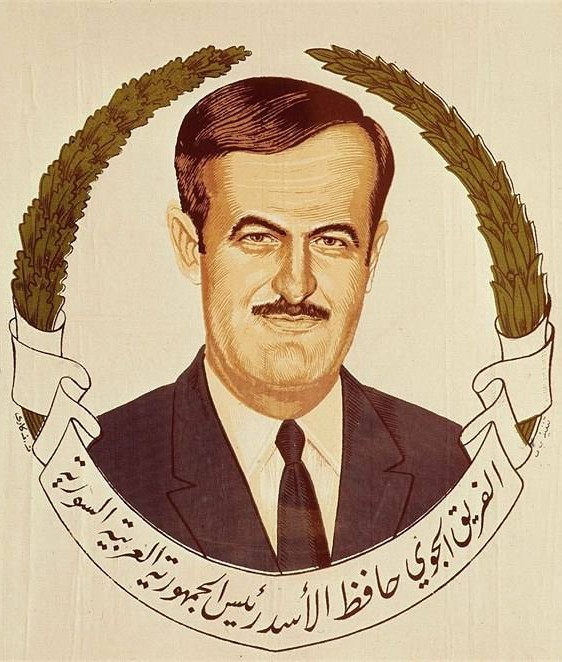
Hafez al-Assad
Syrian president who consolidated absolute power over three decades.

Unknown author · Public domain
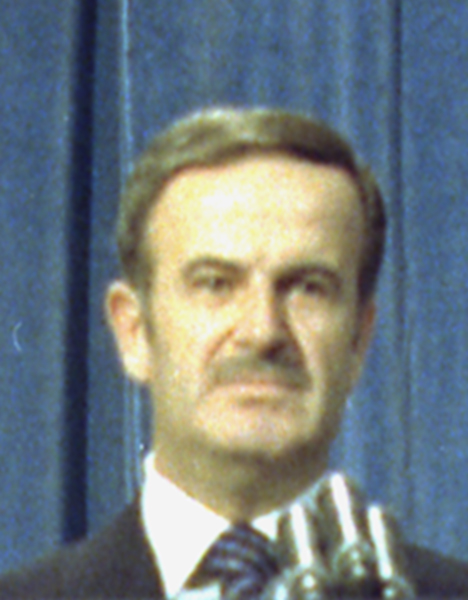
Hafez al-Assad (6 October 1930 – 11 June 2000) led Syria as its president from 1971 until his death. Before that, he served as prime minister for about a year and held top positions in the Ba'ath Party's regional and national commands from 1970 onward. He played a key role in the 1963 coup that first brought the Ba'ath Party to power in Syria, a party that would remain in control for more than sixty years until it was ousted in 2024 under his son Bashar.
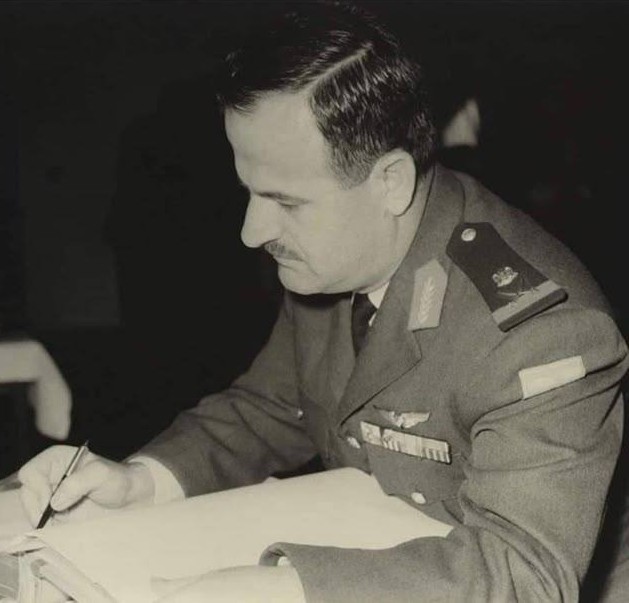
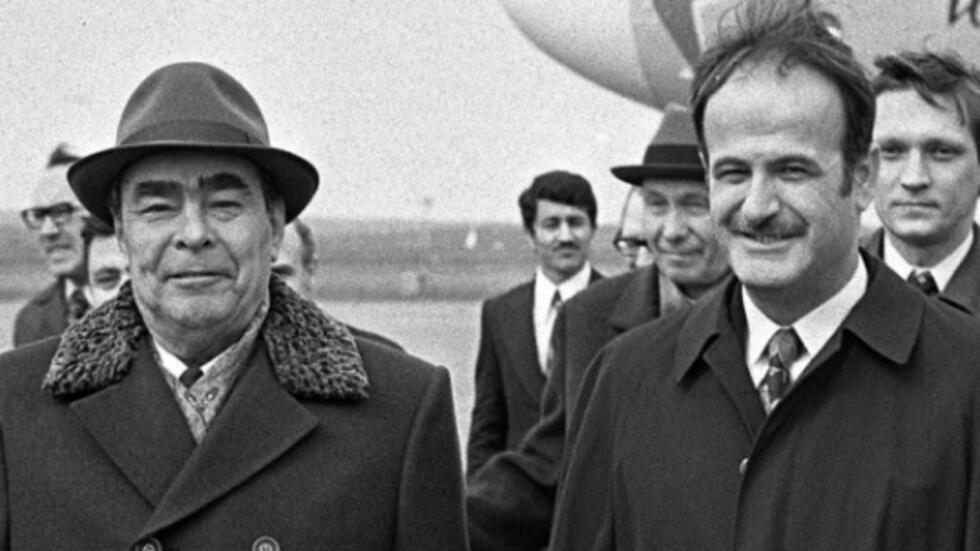
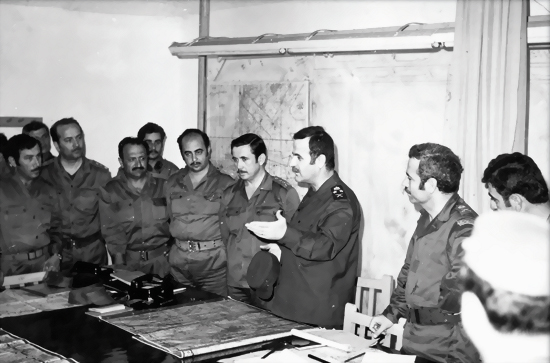
After that 1963 takeover, Assad was made commander of the Syrian Air Force. He took part in another coup in February 1966, which removed the existing Ba'athist leaders, and was then appointed defense minister. Four years later, he launched a third coup, this time against the quasi-Marxist government of Salah Jadid, and installed himself as Syria's leader. Once in power, he shifted foreign policy away from Jadid's push to export socialist revolution, instead building ties with countries Jadid had considered reactionary. He allied with the Soviet Union and the Eastern Bloc during the Cold War, partly to oppose Israel, while also maintaining links with some Western European and Gulf states. He kept the pan-Arab goal of unifying the Arab world, for instance through the Federation of Arab Republics, and presented Syria as a defender of Palestinians against Israel, though his actual support for the Palestine Liberation Organization in Lebanon was limited.
Assad moved quickly to centralize authority. After Egyptian leader Gamal Abdel Nasser died, he worked to repair Syria's strained relations with other Arab countries and sought connections on both sides of the Cold War. During the 1973 oil embargo, Syria received economic aid from OPEC members, partly due to his hostility toward Israel in the Yom Kippur War that year. Though Syria remained a one-party state, the earlier collegial decision-making within the Ba'ath Party was replaced by absolute presidential control. To sustain his rule, Assad and the party built a cult of personality around him and his family. He ordered an Arabization campaign in Kurdish areas of Syria. In 1976, he sent 30,000 troops into Lebanon, leading to a long occupation there, ostensibly to support Maronite Christians against the PLO and leftist militias—despite his earlier claims of backing the Palestinians. During his tenure, his regime crushed an Islamist uprising by the Syrian Muslim Brotherhood, culminating in the Hama massacre, where two-thirds of the city was destroyed and tens of thousands of people were killed. His government was responsible for widespread human rights abuses, including the deaths of around 30,000 men, women, and children in Hama alone.
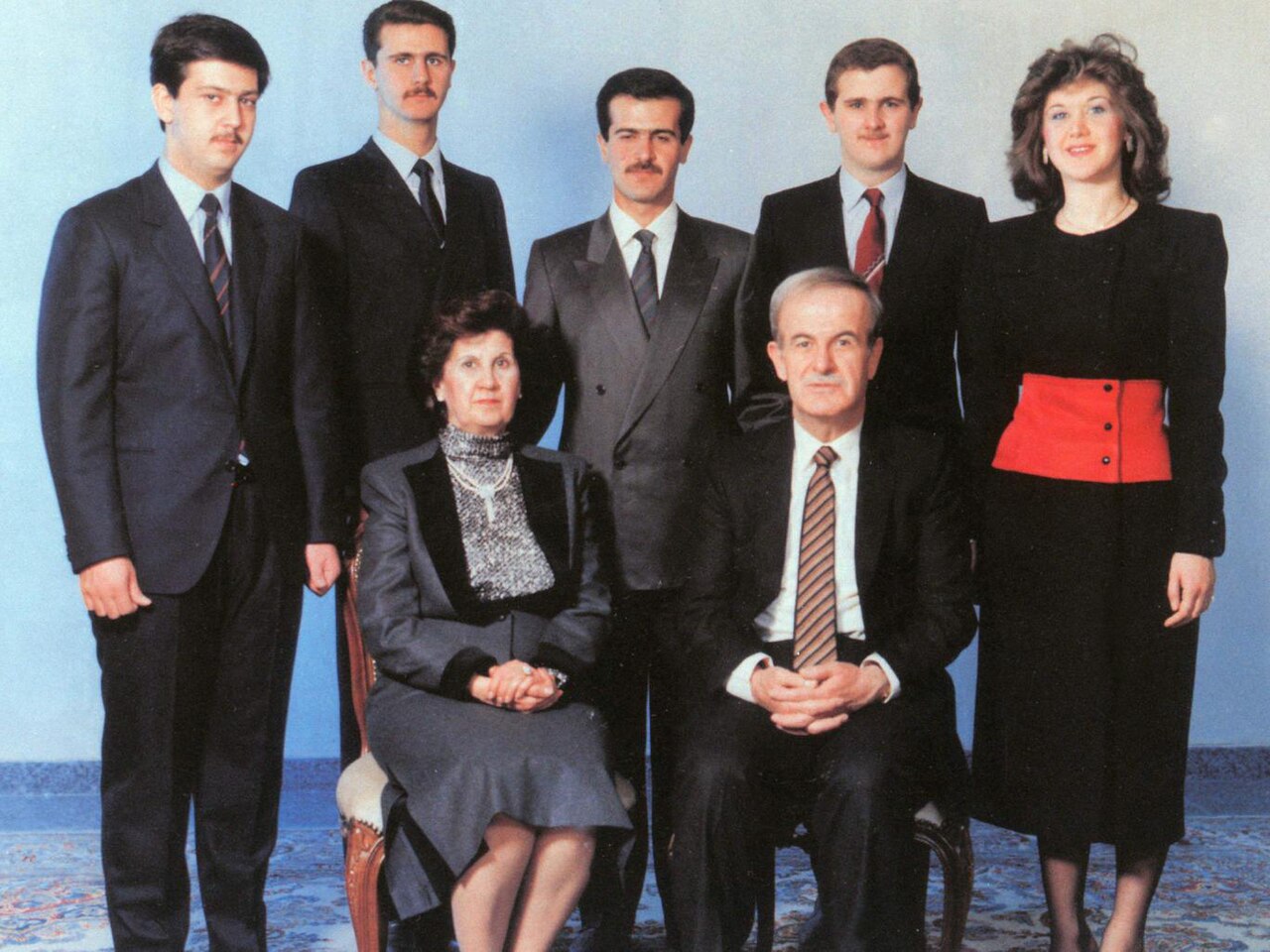
Assad initially wanted his brother Rifaat to succeed him, but Rifaat was exiled after trying to seize power in 1984 following a health scare. He then chose his eldest son, Bassel, as successor, but Bassel died in a car crash in 1994. Assad then turned to his younger son, Bashar, a medical student in the UK with no political background. This plan to pass power to a family member faced criticism from some in Syria's ruling class, but Assad pushed ahead and demoted those who opposed it. He died in office on 11 June 2000, and Bashar took over as president.
Born on 6 October 1930 in the northwestern town of Qardaha, Hafez al-Assad came from a poor Alawite peasant family of the Kalbiyya tribe. He later spoke at peasant union congresses about his farming background, recalling the injustices he witnessed and saying those memories shaped his worldview. His paternal grandfather, Sulayman al-Wahhish, was nicknamed "the wild beast" for his strength. His parents were Na'isa Shalish and Ali al-Assad. Ali married twice and had eleven children; Hafez was his ninth son and the fourth from the second marriage. By the 1920s, Ali was locally respected and opposed French rule in Syria, but later cooperated with the French administration and took an official post. Locals called him "al-Assad" (the lion) for his achievements, and he adopted it as his surname in 1927.
Alawites had initially resisted the idea of a united Syrian state, fearing for their minority status. After the French left in 1946, many Syrians distrusted Alawites due to their past alignment with France. Assad left his Alawite village at age nine to begin schooling in Sunni-dominated Latakia, becoming the first in his family to do so.
- field
- Politics, military
- nationality
- Syrian
Verified Timeline
Quick Facts
- Native Name Lang
- ar
- Office
- President of Syria
- Prime Minister
- title=See list · Himself / Abdul Rahman Khleifawi / Mahmoud al-Ayyubi / Abdul Rahman Khleifawi / Muhammad Ali al-Halabi / Abdul Rauf al-Kasm / Mahmoud Al-Zoubi / Muhammad Mustafa Mero
- Vice President
- title=See list · Mahmoud al-Ayyubi / (1971–1976) / Rifaat al-Assad / (1984–1998) / Abdul Halim Khaddam / (1984–2000) / Zuhair Masharqa / (1984–2000)
- Term Start
- 12 March 1971
- Term End
- 11 June 2000
- Predecessor
- Nureddin al-Atassi / Ahmad al-Khatib (acting)
- Successor
- Abdul Halim Khaddam (acting) / Bashar al-Assad
- Office2
- Prime Minister of Syria
- President2
- Ahmad al-Khatib (acting) / Himself
- Term Start2
- 21 November 1970
- Term End2
- 3 April 1971
Facts from the source article.
Lore & Background
Assad was born on 6 October 1930 in Qardaha, a town in northwest Syria, into a poor Alawite peasant family belonging to the Kalbiyya tribe. His father, Ali al-Assad, was locally respected and opposed to the French Mandate for Syria and the Lebanon, though he later cooperated with the French administration and was appointed to an official post. Local residents called him 'al-Assad' (the lion) for his accomplishments, and in 1927 he made the nickname his surname. Assad left his Alawite village at age nine to attend school in Sunni-dominated Latakia, where he faced anti-Alawite bias. He joined the Ba'ath Party in 1946, organizing student cells and carrying the party's message to poor sections of Latakia and Alawite villages. After high school, he aspired to be a medical doctor but could not afford tuition, so in 1950 he joined the Syrian Armed Forces, entering the Homs Military Academy and later the flying school in Aleppo. He graduated in 1955 as a lieutenant in the Syrian Air Force, winning a best-aviator trophy, and was assigned to Mezzeh air base near Damascus. He married Anisa Makhlouf in 1957. In 1955, he was sent to Egypt for six months of training, and during the Suez Crisis in 1956, he flew in an air-defense mission and was among Syrian pilots who flew to Cairo to show Syria's commitment to Egypt.
Reader's Guide
After the 1963 coup, the new leadership appointed Assad as commander of the Syrian Arab Air Force. In February 1966, he participated in a second coup that toppled the Ba'ath Party leaders, and was appointed defense minister. Four years later, Assad initiated a third coup that ousted the quasi-Marxist regime of Salah Jadid, appointing himself leader of Syria. He abandoned Jadid's policy of exporting 'socialist revolution' and strengthened Syria's foreign relations with countries Jadid had deemed reactionary. Assad made alliances with the Soviet Union and the Eastern Bloc during the Cold War in return for opposing Israel, while maintaining ties with some Western European and Gulf states. He sought to paint Syria as defender of the Palestinians against Israel, though his support for the Palestinians, particularly the PLO in Lebanon, was weak. Following the death of Gamal Abdel Nasser, Assad sought to reconcile Syrian relations with other Arab countries weakened by Jadid. Syria received economic support from OPEC members during the 1973 oil embargo, in part for his hostility toward Israel in the 1973 Yom Kippur War. Ba'athist decision-making authority that had attempted to be collegial was eliminated in favor of absolute presidential control. A cult of personality centered on Assad and his family was created. Assad ordered an Arabization campaign of the Kurdish areas of Syria. Syria invaded Lebanon with 30,000 troops in 1976, resulting in the Syrian occupation of Lebanon, intended to back the weakened Maronite Christians against the Palestine Liberation Organization and other far left militias. His regime crushed an Islamist uprising led by the Syrian Muslim Brotherhood through a series of crackdowns culminating in the Hama massacre, which destroyed two-thirds of the city of Hama and killed 30,000 men, women and children. Assad's initial preferred successor was his brother Rifaat, but he was exiled after attempting to seize power in 1984 in response to Hafez suffering a health scare. Assad's next choice was his eldest son, Bassel, who died in a high-speed car crash in 1994. Assad then turned to his younger son Bashar, a medical student in the UK with no political experience. Assad died in office on 11 June 2000 and Bashar succeeded him as president.
Did You Know?
- Assad's paternal grandfather, Sulayman al-Wahhish, gained the nickname al-Wahhish (wild beast) for his strength.
- Assad was the first in his family to attend high school, and won several prizes at around age 14.
- As a teenager, Assad helped nationalize the formerly French-controlled tobacco company 'La Compagnie Libano-Syrienne des Tabacs' in 1951 through demonstrations and boycotts.
- Upon graduating from flying school in 1955, Assad won a best-aviator trophy.
- Assad's father Ali al-Assad made the nickname 'al-Assad' (the lion) his surname in 1927.
Gallery
Frequently Asked Questions
What powers did Hafez al-Assad hold?
He concentrated all executive authority in his own office, ruling Syria as a one-man state for roughly thirty years. He simultaneously controlled the Ba'ath Party, the armed forces, and the intelligence services, leaving no independent check on his decisions.
Why is Hafez al-Assad considered significant?
He built the modern Syrian security state and entrenched a single-party system that still structures the country's politics today. His rule also established the Assad family dynasty, making him the founding figure of the regime that persists in the region.
More in Asian & Middle Eastern Monarchs & Strongmen 1-24
Spotted an error? Know more?
This is a living reference — every entry is fact-audited, and reader corrections feed straight into our audit queue. Suggest an edit · See this site's audit record