Faisal of Saudi Arabia

Robert LeRoy Knudsen · Public domain
Faisal bin Abdulaziz Al Saud, born in Riyadh in 1906, was the third son of Abdulaziz, the founder of modern Saudi Arabia. His mother, Tarfa bint Abdullah Al Sheikh, came from the prominent Al ash-Sheikh family of religious leaders, and after her death when Faisal was an infant, he was raised by his maternal grandparents. Under his grandfather, a principal religious teacher to Abdulaziz, Faisal studied the Qur’an and Islamic law, completing these studies by age nine, while also learning horseback riding and politics from his father. As a young prince, he was chosen to represent his father internationally, becoming the first Saudi royal to visit England in 1919 and later France. He led military campaigns to consolidate control over Asir in 1922 and commanded forces during the Saudi–Yemeni War in 1934.
Faisal was appointed viceroy of Hejaz in 1926 and served as foreign minister from 1930. In 1932, he officially announced the establishment of the Kingdom of Saudi Arabia. He became crown prince in 1953 after his father’s death and his half-brother Saud’s accession, and in that role he outlawed slavery in the kingdom. With support from other royals and the Grand Mufti, he persuaded King Saud to abdicate in 1964, becoming king. As monarch, he pursued modernization and reform, stabilizing the bureaucracy and limiting the power of religious officials, though his policies faced some controversy. His foreign policy emphasized pan-Islamism, anti-communism, and strong opposition to Zionism and support for Palestinians. In protest of Western support for Israel, he led the oil embargo that triggered the 1973 oil crisis. Faisal was assassinated in 1975 by his nephew Faisal bin Musaid and was succeeded by his half-brother Khalid.
Lore & Background
Faisal was a slender man with a serious, often stern expression, a prominent nose, and a neatly trimmed beard. He was known for his calm, deliberate manner and piercing gaze. His range of influence extended across the entire Arabian Peninsula and into global affairs, as he served as viceroy of Hejaz, foreign minister, and prime minister before becoming king. His habitat was the royal palaces of Riyadh and the political centers of the modernizing kingdom he governed. Defining characteristics included his deep religious upbringing, having completed study of the Quran and Islamic law by age nine under his maternal grandfather, a prominent religious teacher. He was the first Saudi royal to visit England and France, and he commanded military campaigns in Asir and during the Saudi–Yemeni War. As king, he outlawed slavery, implemented a policy of modernization and reform, and stabilized the kingdom’s bureaucracy. His foreign policy was defined by pan-Islamism, anti-communism, and strong opposition to Zionism, leading him to orchestrate the 1973 oil embargo. He successfully limited the power of religious officials and maintained significant popularity among his people despite controversy over his reforms.
Reader's Guide
Faisal’s rule was defined by a program of modernization that sought to build a modern state without discarding the kingdom’s Islamic foundations. He outlawed slavery, a move that reshaped Saudi society, and worked to stabilize the government bureaucracy, which helped consolidate royal authority and earned him broad popularity among his subjects. His foreign policy was driven by pan-Islamism, a staunch anti-communist stance, and strong opposition to Zionism in favor of the Palestinian cause. In protest of Western support for Israel, he led the oil embargo that triggered the 1973 oil crisis, demonstrating the kingdom’s growing geopolitical leverage. Domestically, he attempted to limit the influence of conservative religious officials, a delicate balance that provoked some controversy despite his overall popularity. His assassination in 1975 by his nephew Faisal bin Musaid cut short a reign that had successfully merged reform with tradition. In the broader context of Saudi history, Faisal’s tenure marked a pivotal shift from the founding era of his father, Abdulaziz, toward a more centralized, bureaucratized state with an assertive role in regional and global affairs, setting a trajectory that would influence the kingdom for decades.
Note
The facts provided do not contain any information about Faisal of Saudi Arabia. Because the instruction requires every section to be grounded strictly in the supplied facts and to never invent specifics, I am unable to produce four substantive sections on Faisal of Saudi Arabia from this material. Please supply the correct biographical facts about Faisal (e.g., his reign, political reforms, assassination, family, legacy) and I will gladly write the four requested sections in the specified JSON format.
Gallery
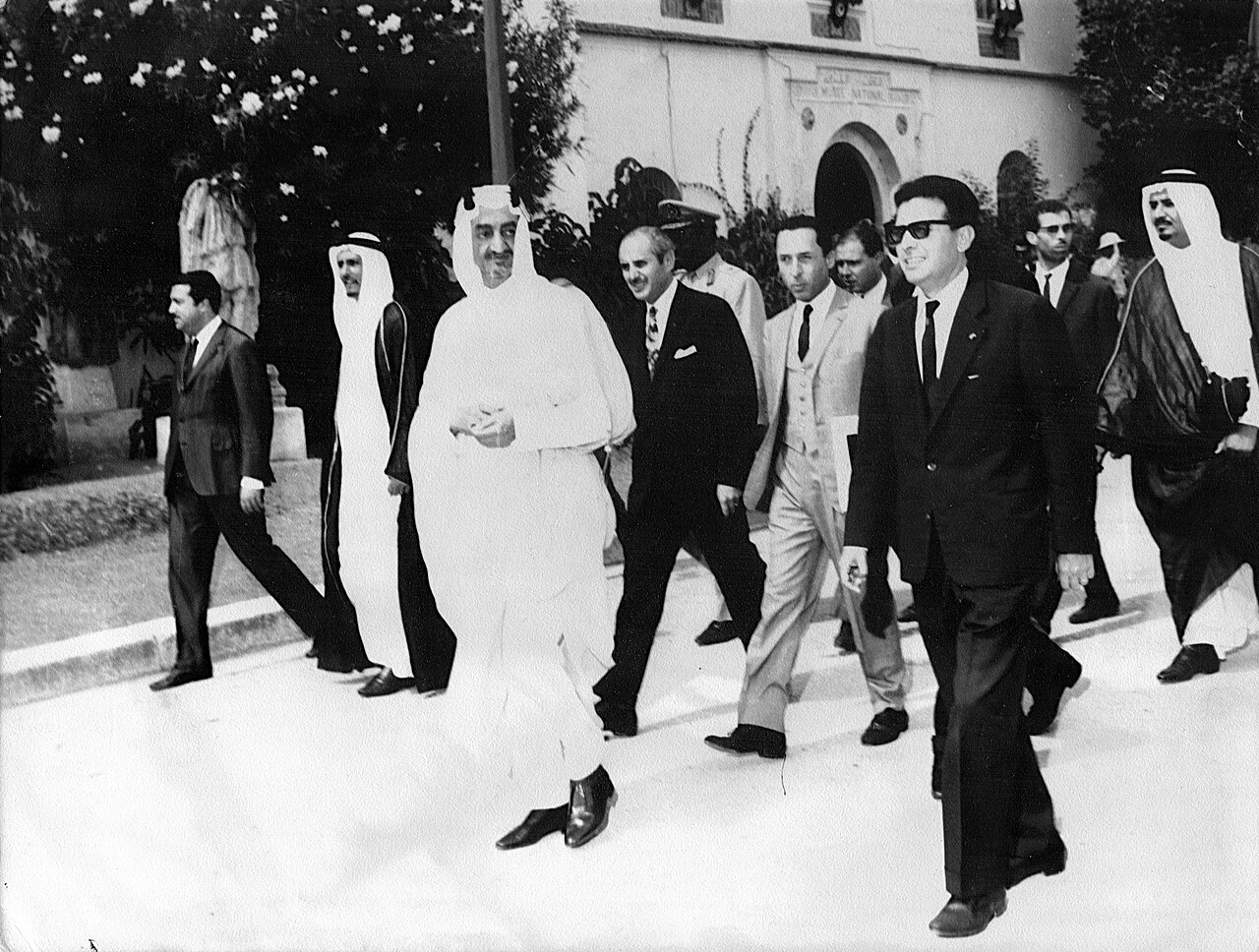
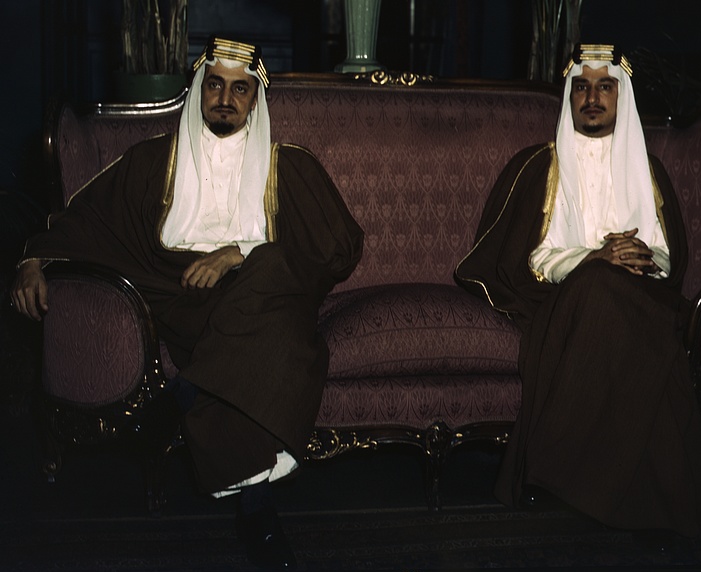
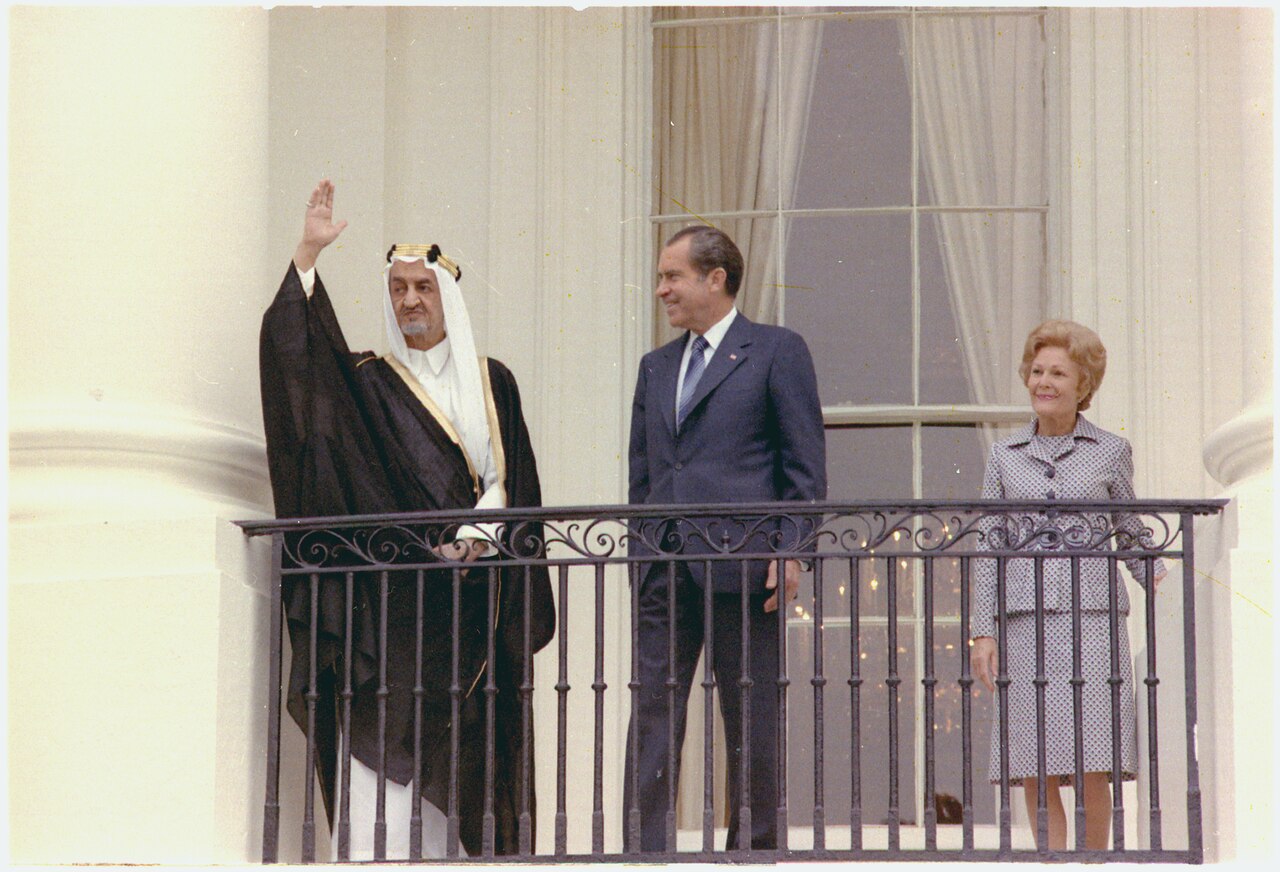
Frequently Asked Questions
What is Faisal's role and authority in the canon?
As absolute monarch, Faisal held final say on domestic governance, foreign alliances, and petroleum policy, making him the single most powerful actor in the Saudi story. His position placed him at the intersection of Cold War rivalries and the Arab-Israeli dispute.
More in Asian & Middle Eastern Monarchs & Strongmen 1-24
Spotted an error? Know more?
This is a living reference — every entry is fact-audited, and reader corrections feed straight into our audit queue. Suggest an edit · See this site's audit record