
Shibata Zeshin
Japanese Imperial Court artist of the Meiji period, represented in the Khalili Collections.
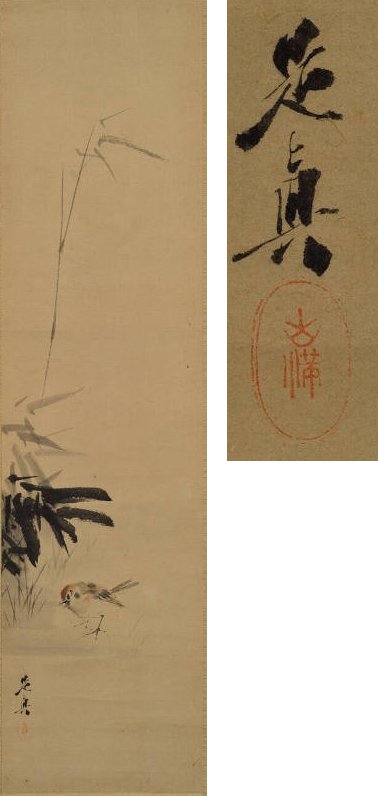
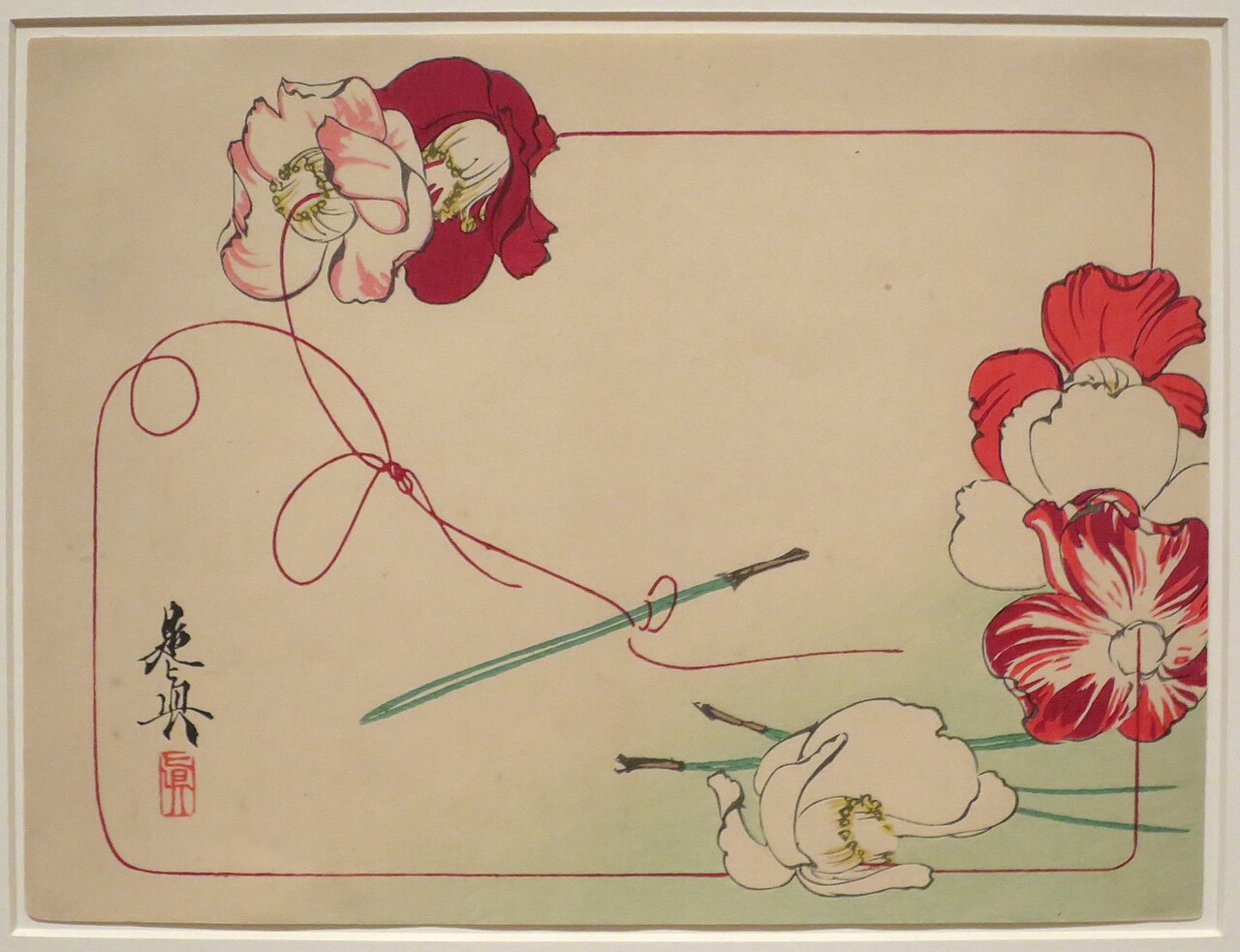
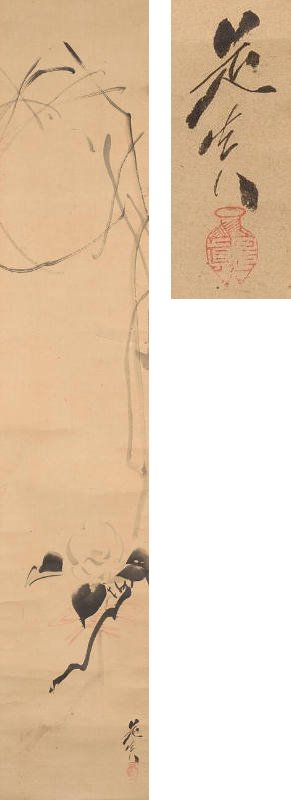
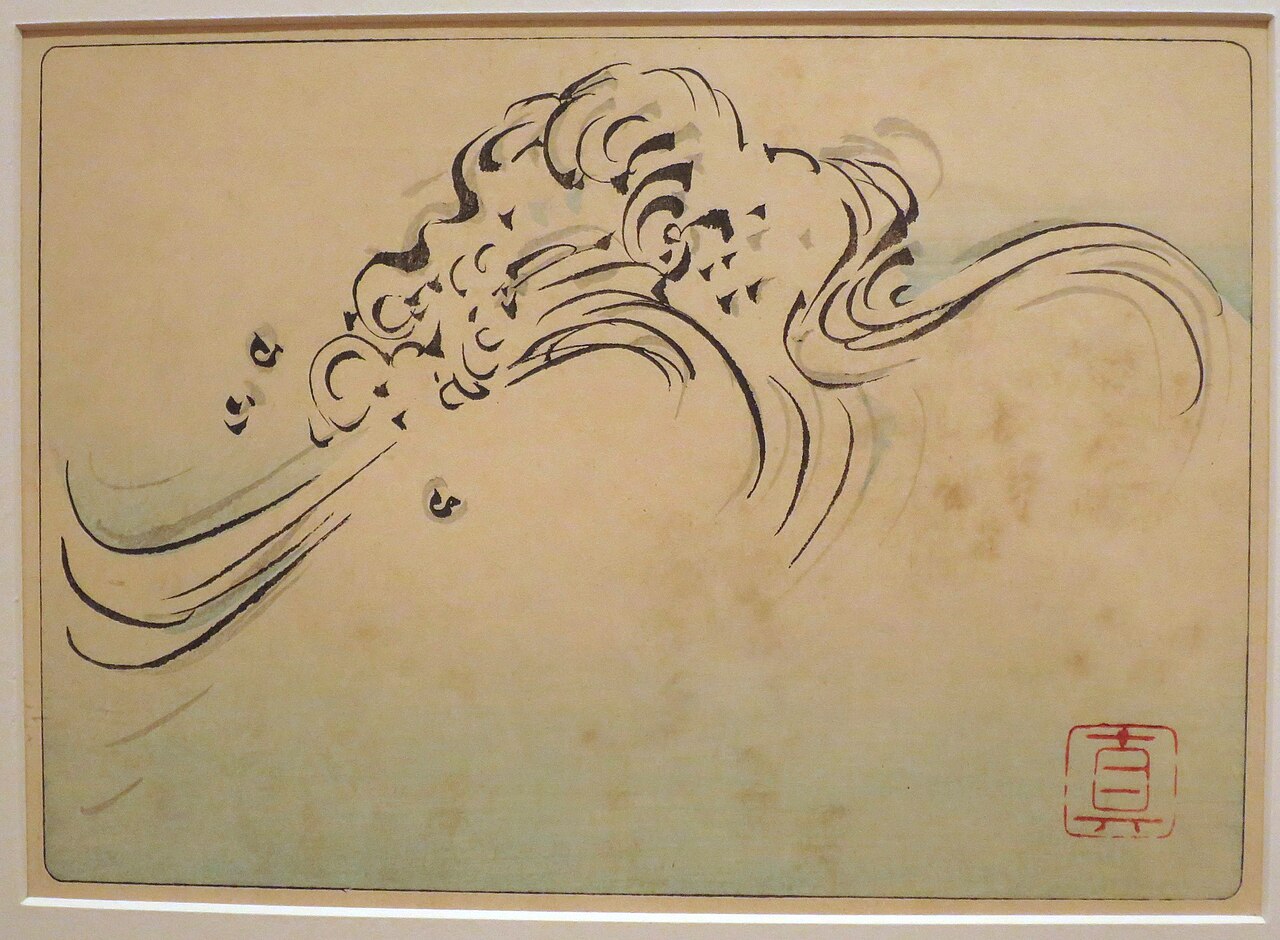
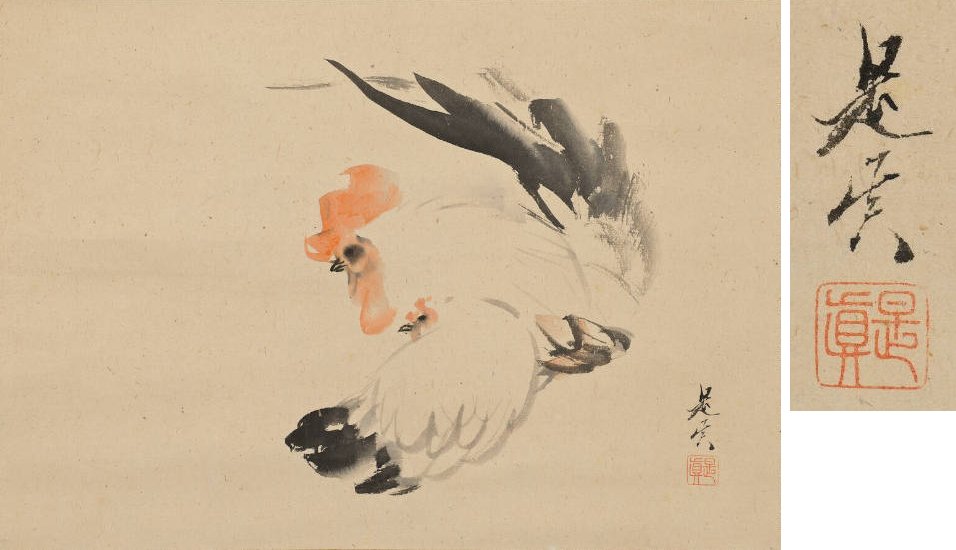
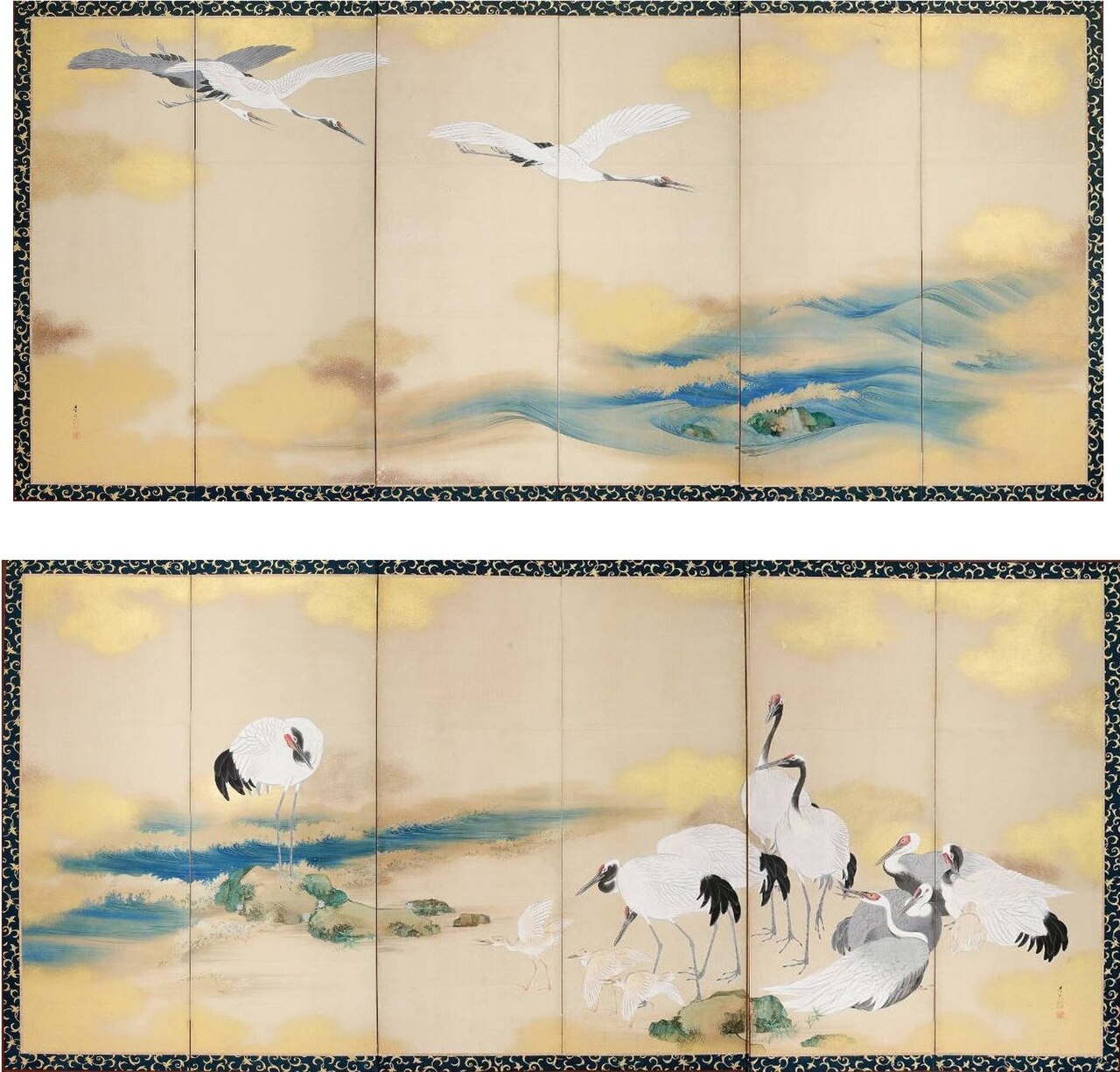
Shibata Zeshin was a Japanese lacquer painter and print artist active during the late Edo period and early Meiji era. Born and raised in Edo, he came from a family of skilled wood carvers; his father was also an ukiyo-e painter who had studied under Katsukawa Shunshō. At age eleven, Zeshin apprenticed with the lacquerer Koma Kansai II, who later arranged for him to study painting under Suzuki Nanrei of the Shijō school. During this training, he adopted the name Zeshin, derived from a Chinese tale about a king who declared a nonconformist painter a "true artist." His education extended beyond painting to include tea ceremony, poetry, history, and philosophy, grounding him in both technique and traditional aesthetics. He later studied under other Kyoto school masters, including Maruyama Ōkyo, and excelled at ink painting of subjects like tigers and waterfalls. After Koma Kansai’s death in 1835, Zeshin inherited the Koma School workshop. During Japan’s economic crisis of the 1830s and 1840s, legal restrictions on silver and gold forced him to innovate, using bronze to simulate iron and other materials to maintain beauty while adhering to tradition, often embracing the wabi aesthetic of simplicity. In 1869, he began creating works for the Imperial government, including gold-lacquered chairs for the Imperial Palace. He was appointed Japan’s official representative to international expositions in Vienna, Philadelphia, and Paris, though he did not attend. In 1890, he was granted membership in the newly created Imperial Art Committee, becoming the only artist recognized in both painting and maki-e. His reputation in Japan remains complex—seen as both too modern and overly conservative—but he is highly regarded in Western art circles, particularly in Britain and the United States. Today, the Khalili Collections in London hold over 100 of his works.
- field
- Lacquer painting, print art
- nationality
- Japanese
- known_for
- Lacquer work, urushi-e painting, reviving seikai-ha technique
Lore & Background
Shibata Zeshin was a Japanese lacquer painter and print artist active during the late Edo period and early Meiji era. He is widely regarded as “Japan’s greatest lacquerer,” though his reputation as a painter and print artist is more nuanced: in Japan he is seen as both too modern—a panderer to Westernization—and as an overly conservative traditionalist. In the West, particularly in Britain and the United States, his work is highly esteemed and extensively studied. Born and raised in Edo (modern Tokyo), Zeshin came from a family of shrine carpenters and wood carvers; his father was also an ukiyo-e painter. At age eleven he apprenticed to lacquerer Koma Kansai II, and at thirteen he began studying painting under Suzuki Nanrei of the Shijō school. His training included not only sketching and painting but also tea ceremony, poetry, history, literature, and philosophy, grounding him in both technique and the aesthetics of traditional Japanese art. He later studied under Maruyama Ōkyo, Okamoto Toyohiko, and Goshin. During the economic crisis of the 1830s–1840s, when strict laws limited the use of silver and gold in lacquer, Zeshin innovated by using bronze to simulate iron and other materials, often embracing the wabi aesthetic of simple, nearly colorless decoration with traditional motifs like flowers and reeds. He was commissioned by the Imperial government from 1869, creating works such as gold-lacquered chairs for the Imperial Palace. He served as Japan’s official representative to international expositions in Vienna (1873), Philadelphia (1874), and Paris, though he did not attend personally. In 1890, he was granted membership in the newly created Imperial Art Committee, the only artist recognized in both painting and maki-e. A major collection of his works resides in the Khalili Collections of London, comprising over 100 pieces.
Reader's Guide
The Khalili Collections hold works by Shibata Zeshin as part of their Japanese Art of the Meiji Period collection. This collection is only comparable in terms of quality to the collection of the Japanese Imperial family. The Meiji period saw a cultural revolution in Japan where traditional tastes were met with international ones. Since the beginning of Emperor Meiji's reign in Japan, European and international collectors have sought pieces of Japanese art from this era. Exhibitions drawing exclusively from the collection have been held at the British Museum, Israel Museum, Van Gogh Museum, Portland Museum, Moscow Kremlin Museums, and at many other museums and institutions worldwide.
Did You Know?
- Shibata Zeshin is one of the Imperial Court artists whose works are included in the Khalili Collection of Japanese Art of the Meiji Period.
- The Khalili Collection of Japanese Art of the Meiji Period comprises over 2,200 pieces, including metalwork, enamels, lacquer, textiles and ceramics.
- Many works in the collections were produced by Imperial Court artists and were exhibited at the Great Exhibitions of the late 19th century.
- Other Imperial Court artists in the collection include Namikawa Yasuyuki, Makuzu Kozan, Yabu Meizan, Kano Natsuo, Suzuki Chokichi, and Shirayama Shosai.
- Exhibitions drawing exclusively from the collection have been held at the British Museum, Israel Museum, Van Gogh Museum, Portland Museum, Moscow Kremlin Museums, and at many other museums and institutions worldwide.
Gallery
More in Asian And Middle Eastern Artists 1-24
Spotted an error? Know more?
This is a living reference — every entry is fact-audited, and reader corrections feed straight into our audit queue. Suggest an edit · See this site's audit record