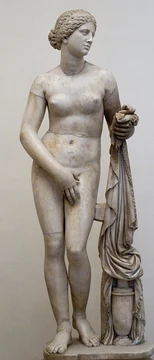
Eros and Psyche (Robert Bridges)
Robert Bridges' 1885 poetic retelling of the Eros and Psyche myth.
Eros and Psyche is a narrative poem by Robert Bridges, first published in 1885. Bridges, who had retired from medicine due to a lung disease, later became Poet Laureate of the United Kingdom in 1913. The poem retells the myth of Eros and Psyche originally recorded by Lucius Apuleius in The Golden Ass.
Quick Facts
- Author
- Robert Bridges
- First published
- 1885
- Poem length
- 12 cantos
- Stanza form
- septet (7 lines)
- Rhyme scheme
- ABABCCB
Facts from the source article.
Did You Know?
- The poem is divided into twelve cantos, one for each month of the year, giving it a pastoral feel.
- The number of stanzas in each canto equals the number of days in that month.
- Each stanza follows the end-rhyming schema ABABCCB.
Synopsis
Psyche, youngest daughter of a petty king of Crete, is worshipped by the common people as the living apotheosis of Aphrodite. Aphrodite, angered that her worshipers have forsaken her temples, demands vengeance and orders her son Cupid to make Psyche fall in love with an ugly vagabond. Cupid, however, falls in love with Psyche himself and resolves to marry her, whisking her away to a secret dwelling conjured by his divine powers where she is protected and served by friendly spirits.
Critical reception
Coventry Patmore, reviewing the work in the St. James Gazette in 1885, stated that Bridges' version would probably become the standard transcript of the Apuleius myth because he takes the story as it stands. C.S. Lewis, in the notes to his book Till We Have Faces, mentions that Bridges and William Morris retell the Apuleius myth with small embellishments, with Apuleius remaining the source. Albert Guerard, in a study of Bridges, notes that Bridges made embellishments to make the tale more lucid and compares excerpts from both versions.
More in Aphrodite
Spotted an error? Know more?
Reader corrections go straight into our review queue. Suggest an edit · How this site is sourced