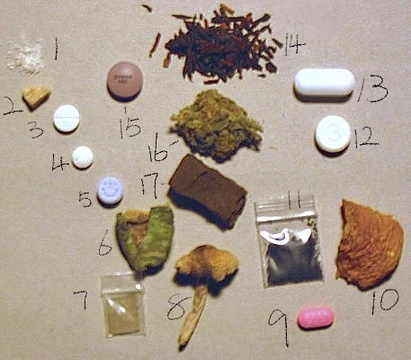
Drug class
Last updated
Medications and other compounds that share similar chemical structures, act through the same biological target, or are used to treat similar diseases are grouped into a drug class.[1]
Key facts and history
Drug classes can be organized into a hierarchy based on chemical structure, mechanism of action, mode of action, and therapeutic use.[2] Categorization by mechanism of action is a pharmacological perspective that groups drugs by their biological target.[3] Some drug classes have been amalgamated from these three principles to meet practical needs.[4] Steroidal anti-inflammatory drugs were the predominant anti-inflammatories during the decade before the term "nonsteroidal anti-inflammatory drugs" was introduced.[4]
Because of the disastrous reputation corticosteroids had in the 1950s, the new term "nonsteroidal anti-inflammatory drugs" rapidly gained currency.[4] Fibrates, which are amphipathic carboxylic acids, constitute a chemical class of drugs; they all act as PPAR agonists, reduce blood triglyceride levels, and are employed to prevent and treat atherosclerosis.[2] The broader category of anti-inflammatory drugs includes, strictly and historically, steroidal anti-inflammatory drugs as well.[4]
What the cited sources add
A 2014 Inflammopharmacology paper states that the NSAID class is formed by one element designating mechanism of action and another element distinguishing it from other drugs with that same mechanism.[4]
References
- Wikipedia, "Drug class" (CC BY-SA 4.0), which cites: "Comparing drug classification systems", AMIA Annual Symposium Proceedings, 2008, p. 1039; World Health Organization, "Introduction to drug utilization research", World Health Organization, 2003, p. 33 (original not read by us) en.wikipedia.org
- Wikipedia, "Drug class" (CC BY-SA 4.0), which cites: "Comparing drug classification systems", AMIA ... Annual Symposium Proceedings. AMIA Symposium, November 2008, p. 1039 (original not read by us) en.wikipedia.org
- Wikipedia, "Drug class" (CC BY-SA 4.0), which cites: "Drugs, their targets and the nature and number of drug targets", Nature Reviews. Drug Discovery, Oct 2006, p. 821–34 (original not read by us) en.wikipedia.org
- Wikipedia, "Drug class" (CC BY-SA 4.0), which cites: "Origins and impact of the term 'NSAID'", Inflammopharmacology, Oct 2014, p. 263–7 (original not read by us) en.wikipedia.org
Each numbered sentence above was checked against the source it cites before publication. Sentences citing Wikipedia adapt text from the English Wikipedia article Drug class (contributors), used under CC BY-SA 4.0; this entry is available under the same licence. Other sources were used for facts only; no text or images are copied from them.
More in Addictive Substances & Medications
Sources
Compiled from Wikipedia and the sources listed below. Text from Wikipedia is available under CC BY-SA 4.0; this entry is adapted from it.
- Wikipedia: Drug class (CC BY-SA 4.0).
Spotted an error? Know more?
Reader corrections go straight into our review queue. Suggest an edit · How this site is sourced