
1666: Amsterdam
Set in 17th-century Amsterdam — a video game from Patrice Désilets.

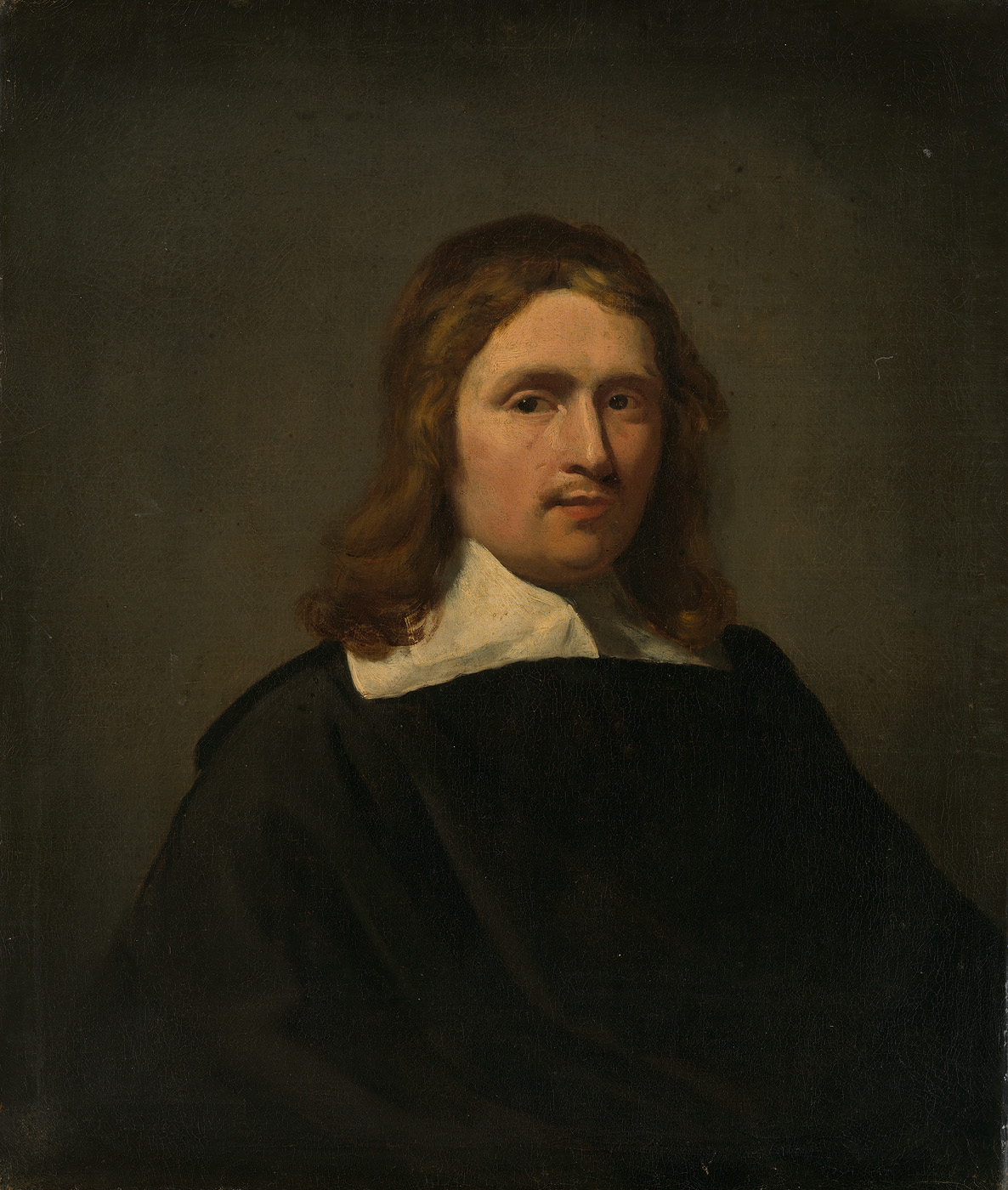
anonymous · Public domain
Patrice Désilets, a Canadian game designer, kicked off 1666: Amsterdam at THQ Montreal. Ubisoft then acquired the studio, which sparked a legal dispute over creative rights that dragged on until 2016. The video game ultimately got built by Panache Digital Games — Désilets's own studio, founded to steer the project once the mess settled.
Quick Facts
- Birth Date
- 9 May 1974
- Birth Place
- Saint-Jean-sur-Richelieu, Quebec, Canada
- Occupation
- Video game designer
Facts from the source article.
Lore & Background
1666: Amsterdam was originally a project Patrice Désilets worked on as Creative Director at THQ Montreal, leading a team of close to fifty people. After THQ declared bankruptcy in December 2012, THQ Montreal was sold to Ubisoft in an auction in January 2013. Ubisoft immediately terminated Désilets and retained the 1666 Amsterdam intellectual property, prompting Désilets to publicly state he was 'terminated by Ubisoft' and that he intended to fight for his rights, his team, and his game.
In April 2016, Désilets and Ubisoft reached an agreement in which Désilets won back all creative rights to 1666: Amsterdam. Following the founding of Panache Digital Games in 2014, the studio released their first project, Ancestors: The Humankind Odyssey, in 2019. As of 2025, the game has not been officially announced or released.
Reader's Guide
1666: Amsterdam holds significance as a project that survived corporate upheaval and legal conflict, ultimately returning to its original creator. Its development history illustrates the volatility of the video game industry, where studio closures and intellectual property disputes can disrupt creative work. Désilets' successful recovery of the rights in 2016 is a notable instance of a creator regaining control over their work from a major publisher. The game's eventual release under Panache Digital Games represents the culmination of over a decade of effort, from its origins at THQ Montreal through its acquisition by Ubisoft and subsequent legal resolution. As an early access title as of August 2026, its legacy is still unfolding, but it stands as a testament to Désilets' persistence and the indie studio model he adopted after leaving Ubisoft.
Did You Know?
- Patrice Désilets won back all creative rights to 1666: Amsterdam from Ubisoft in April 2016.
- The game was originally developed at THQ Montreal before THQ's bankruptcy led to its sale to Ubisoft.
The Studio Behind the Vision
Panache Digital Games, known in French as Panache Jeux Numériques, is a video game development studio rooted in Montreal, Quebec, Canada. Established in 2014, the company was brought into existence by two figures with deep ties to the industry's major players. Patrice Désilets, widely recognized as the creative force behind the Assassin's Creed franchise, joined forces with Jean-François Boivin, who had previously held an executive role at Ubisoft. Together they built a studio positioned to leverage their combined experience in large-scale game production. The company's French-language name reflects its Quebecois heritage, while its operational base in Montreal places it at the heart of one of North America's most concentrated video game development hubs. This founding duo's background in both creative direction and corporate leadership shaped the studio's approach to its projects, setting the stage for ambitious titles like 1666: Amsterdam.
A Supernatural Action-Adventure in the Dutch Golden Age
1666: Amsterdam is a supernatural action-adventure game that places players in the historical setting of seventeenth-century Amsterdam. The title is directed by Patrice Désilets, who brings his signature narrative-driven approach to a genre that blends supernatural elements with action-adventure gameplay. The game represents a revival of the 1666 intellectual property, which was originally conceived during Désilets' tenure at THQ Montreal. This means the concept has a history stretching back well before Panache Digital Games existed, giving the project a lineage that spans multiple studios and eras of the developer's career. The supernatural framing suggests a world where the historical backdrop of 17th-century Amsterdam is overlaid with otherworldly threats or phenomena, creating a distinctive tonal space that differentiates it from purely historical or purely fantastical games.
The Reveal at Summer Game Fest
The game was officially unveiled to the public at Summer Game Fest in June 2026, marking the first time the project was formally presented outside of Panache Digital Games' internal development. This reveal came after the studio had already established itself with its debut title, Ancestors: The Humankind Odyssey, which launched on Microsoft Windows on 27 August 2019 and subsequently arrived on PlayStation 4 and Xbox One on 6 December 2019 under the Private Division publishing banner. The nearly five-year development cycle for that first game set a precedent for the kind of long, patient production Panache pursues. By the time 1666: Amsterdam surfaced at the 2026 showcase, the studio had already proven it could shepherd a complex project from concept to commercial release, lending credibility to the announcement of this next ambitious undertaking.
From THQ Montreal to a New Chapter
The 1666 intellectual property did not originate at Panache Digital Games. It was first created during Patrice Désilets' period at THQ Montreal, meaning the concept predates the studio's 2014 founding by a significant margin. Désilets carried this earlier vision forward, eventually reuniting with it under the Panache banner as a directed project. This trajectory illustrates how game concepts can travel across studios and years before finding their final form. The revival also highlights the interconnected nature of the Montreal game development scene, where talent and ideas flow between major publishers like Ubisoft and THQ, and smaller independent studios like Panache. The fact that a property born in one corporate context could be resurrected in a more independent setting speaks to the creative continuity that Montréal's industry fosters, even as individual developers move between organizations throughout their careers.
Gallery


Frequently Asked Questions
What is 1666: Amsterdam?
It is an action-adventure video game set in 17th-century Amsterdam, developed by Panache Digital Games under the creative direction of Canadian designer Patrice Désilets.
Who is developing 1666: Amsterdam?
The project is being built by Panache Digital Games, the studio Désilets established after the game was originally conceived at THQ Montreal before being picked up by Ubisoft.
What was the legal dispute surrounding 1666: Amsterdam?
A conflict over creative rights emerged between Désilets and Ubisoft after the publisher acquired the project from THQ Montreal, and the matter was formally settled in 2016.
When will 1666: Amsterdam be released?
As of 2025, no official announcement or early-access window has been confirmed, so the game's release timeline remains unknown to the public.
Why is 1666: Amsterdam notable in the gaming world?
It is a passion project by a well-known designer that survived a high-profile legal battle over ownership before Panache Digital Games could pursue the title independently.
More in Action-adventure games 1-24
Spotted an error? Know more?
Reader corrections go straight into our review queue. Suggest an edit · How this site is sourced