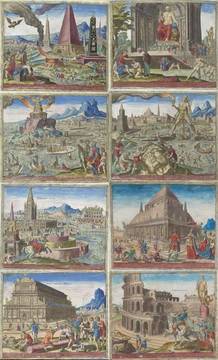
Chichen Itza
Major Maya city and regional capital in northern Yucatán.
Last updated

via Wikipedia: Chichen Itza · see source
Where it is
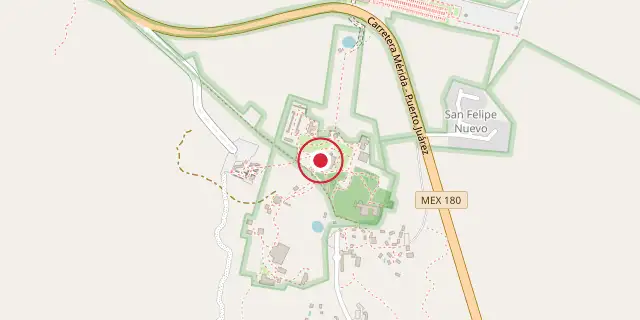
Coordinates: 20°40′59″N 88°34′08″W (20.6830, -88.5690) · Open in OpenStreetMap
Coordinates and connected clubs: the infobox of Wikipedia: Chichen Itza (CC BY-SA 4.0). Map: drawn by Codexery from OpenStreetMap tiles.
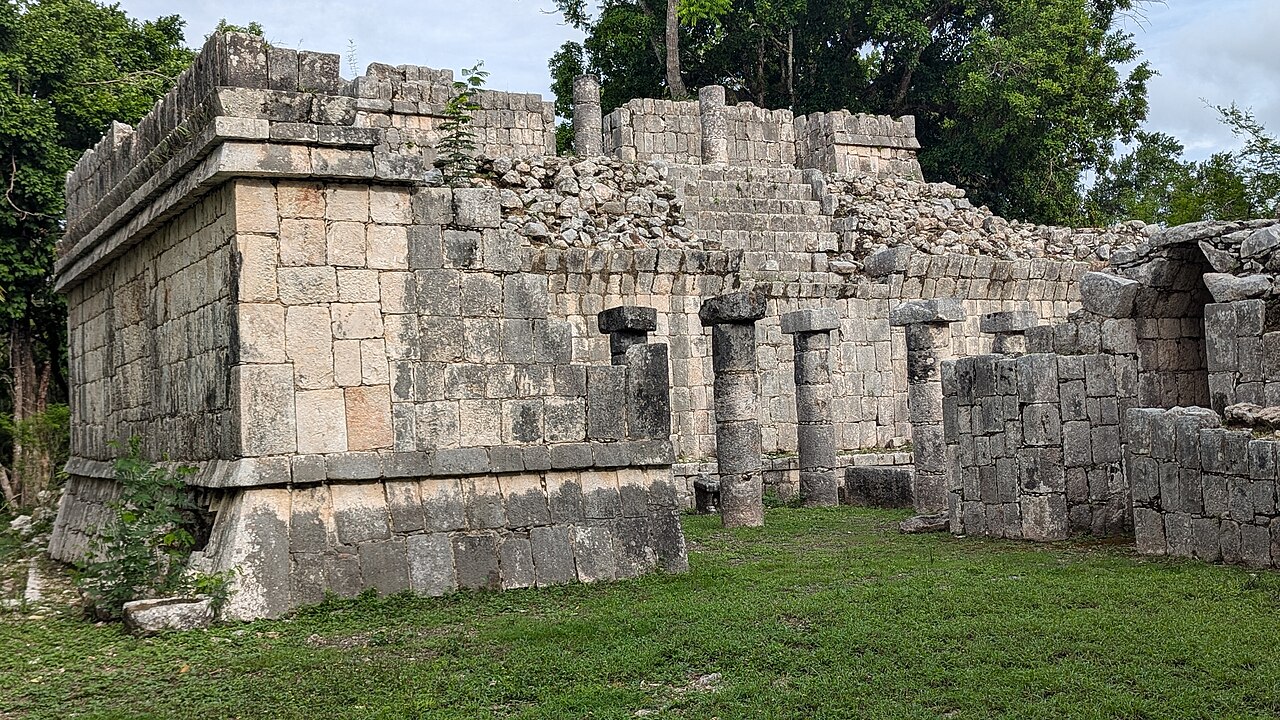
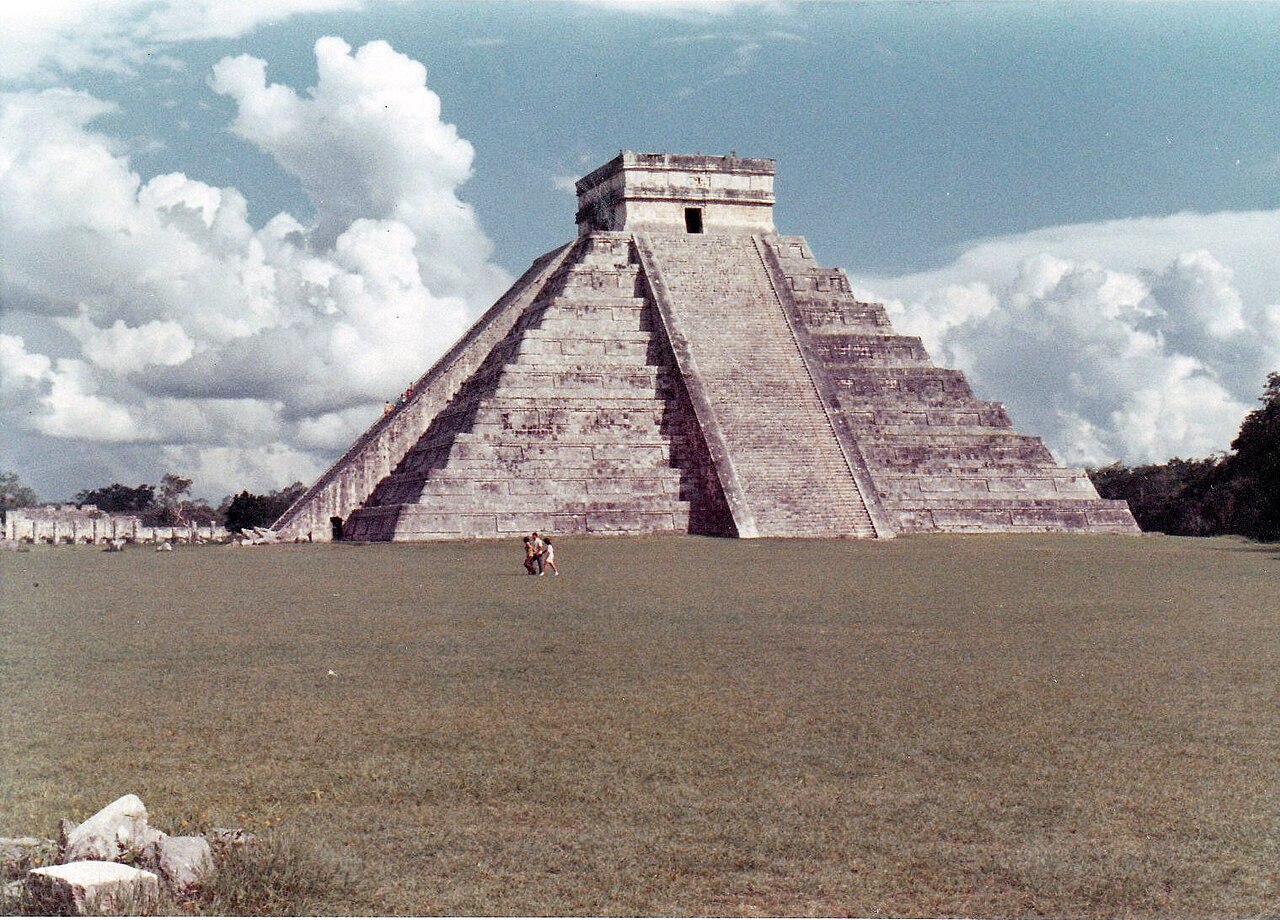
The Maya people of the Terminal Classic period constructed the large pre-Columbian settlement known as Chichen Itza.[1] Ownership of the ruins rests with the federal government, and the Instituto Nacional de Antropología e Historia (INAH) oversees their preservation.[2]
Key facts and history
The city relied entirely on structural access to the regional phreatic aquifer, using deep collapse sinkholes called cenotes.[3] The "Cenote Sagrado" is the most famous cenote, and pre-Columbian Maya sacrificed objects and human beings into it.[4] According to the Chilam Balam books, a different name was used for this city before the Itza gained dominance.[5] From the Late Classic period through the Terminal Classic and into the early Postclassic, Chichen Itza served as a key center in the Northern Maya Lowlands.[6]
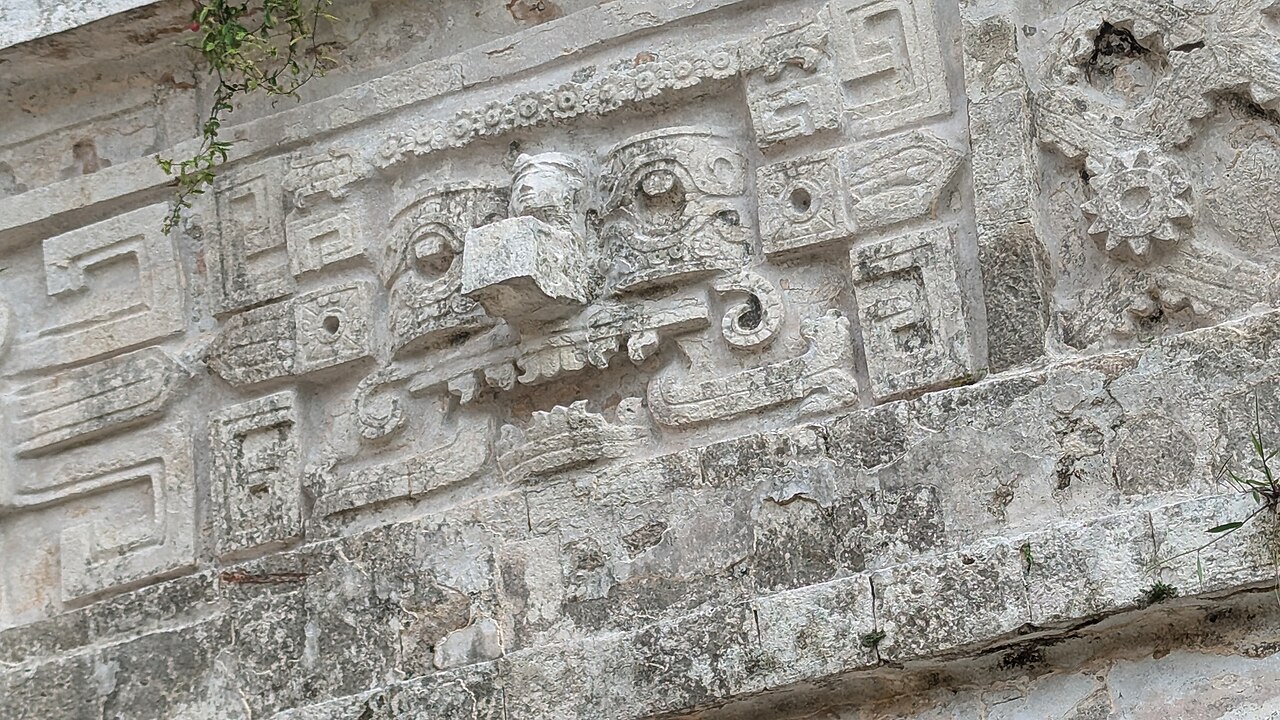
Architectural styles found at the site show influences from central Mexico as well as the Puuc and Chenes traditions.[6] By 1100, Chichen Itza had lost its status as a regional center, a decline that occurred prior to Mayapan's rise.[7] A charter to conquer Yucatán was successfully requested in 1526 by the Spanish Conquistador Francisco de Montejo.[8] Until 29 March 2010, the land containing the monuments was in private hands; on that date, the state of Yucatán purchased it.[2]
What the cited sources add
The same source notes that the presence of central Mexican styles is now viewed as the result of cultural diffusion.[6][9] A 2002 paper by Eugene Perry and others explains that the site's hydrologic network is connected to the Ring of Cenotes formed along the Chicxulub impact crater.[10][11] The 2019 work by Erik Boot provides the translation of "Itzá" as "enchanter of the water".[12][13] That same study determined the substructure was built over several successive stages of enlargement.[14][15]
References
- Wikipedia, "Chichen Itza" (CC BY-SA 4.0), which cites: Rendered in Spanish as Chichén Itzá and traditional Yucatec Maya as Chichen Itza , , often with the emphasis reversed in English to ; from ( ) "at the mouth of (original not read by us) en.wikipedia.org
- Wikipedia, "Chichen Itza" (CC BY-SA 4.0), which cites: Concerning the legal basis of the ownership of Chichen and other sites of patrimony, see Breglia (2006), in particular Chapter 3, "Chichen Itza, a Century of Pr (original not read by us) en.wikipedia.org
- Wikipedia, "Chichen Itza" (CC BY-SA 4.0), which cites: Perry, "The Hydrogeochemistry of the Karst Aquifer System of the Northern Yucatan Peninsula, Mexico", International Geology Review, 2002, p. 191–221 (we also read that source) en.wikipedia.org
- Wikipedia, "Chichen Itza" (CC BY-SA 4.0), which cites: Landa, "Yucatan before and after the conquest", Dover Publications, 1978; ; (original not read by us) en.wikipedia.org
- Wikipedia, "Chichen Itza" (CC BY-SA 4.0), which cites: ; ; Sharer, "The Ancient Maya, 6th Edition", Stanford University Press, 2005-10-07, p. 562–566; Uuc Yabnal becomes Uc Abnal, meaning the "Seven Abnals" or "Seven Lines of Abnal" where Abnal is a family name, according to Ralph L. Roys ( ).; Osorio León 2006, p. 458 (we also read that source) en.wikipedia.org
- Wikipedia, "Chichen Itza" (CC BY-SA 4.0), which cites: Sharer, "The Ancient Maya, 6th Edition", Stanford University Press, 2005-10-07, p. 562–566 (we also read that source) en.wikipedia.org
- Wikipedia, "Chichen Itza" (CC BY-SA 4.0), which cites: Andrews, "THE NORTHERN MAYA COLLAPSE AND ITS AFTERMATH", Ancient Mesoamerica, January 2003, p. 151–156 (original not read by us) en.wikipedia.org
- Wikipedia, "Chichen Itza" (CC BY-SA 4.0) en.wikipedia.org
- Robert J. Sharer, "The Ancient Maya, 6th Edition", Stanford University Press eBooks (2005), doi:10.1515/9781503624221. OpenAlex metadata CC0; paper not read. doi.org
- Wikipedia, "Chichen Itza" (CC BY-SA 4.0), which cites: Perry, "The Hydrogeochemistry of the Karst Aquifer System of the Northern Yucatan Peninsula, Mexico", International Geology Review, March 2002, p. 191–221 (original not read by us) en.wikipedia.org
- Eugene Perry, "The Hydrogeochemistry of the Karst Aquifer System of the Northern Yucatan Peninsula, Mexico", International Geology Review (2002), doi:10.2747/0020-6814.44.3.191. OpenAlex metadata CC0; paper not read. doi.org
- Wikipedia, "Chichen Itza" (CC BY-SA 4.0), which cites: Boot, "Migrations in Late Mesoamerica", University Press of Florida, 2019-11-12, p. 241–284; ; (we also read that source) en.wikipedia.org
- Erik Boot, "The Itzá Maya Migration Narratives", University Press of Florida eBooks (2019), doi:10.5744/florida/9780813066103.003.0009. OpenAlex metadata CC0; paper not read. doi.org
- Wikipedia, "Chichen Itza" (CC BY-SA 4.0), which cites: Miller, "Landscapes of the Itza", University Press of Florida, 2017-12-12 (we also read that source) en.wikipedia.org
- Open Library record, ISBN 9780813054964 ("Landscapes of the Itza"). CC0 (metadata); book content not read. openlibrary.org
Each numbered sentence above was checked against the source it cites before publication. Sentences citing Wikipedia adapt text from the English Wikipedia article Chichen Itza (contributors), used under CC BY-SA 4.0; this entry is available under the same licence. Other sources were used for facts only; no text or images are copied from them.
More in World Wonders
Sources
Compiled from Wikipedia and the sources listed below. Text from Wikipedia is available under CC BY-SA 4.0; this entry is adapted from it.
- Wikipedia: Chichen Itza (CC BY-SA 4.0).
Spotted an error? Know more?
Reader corrections go straight into our review queue. Suggest an edit · How this site is sourced