
Auschwitz concentration camp
Site of the largest mass murder in a single location in history.
Last updated

Ynnarski · CC BY-SA 4.0
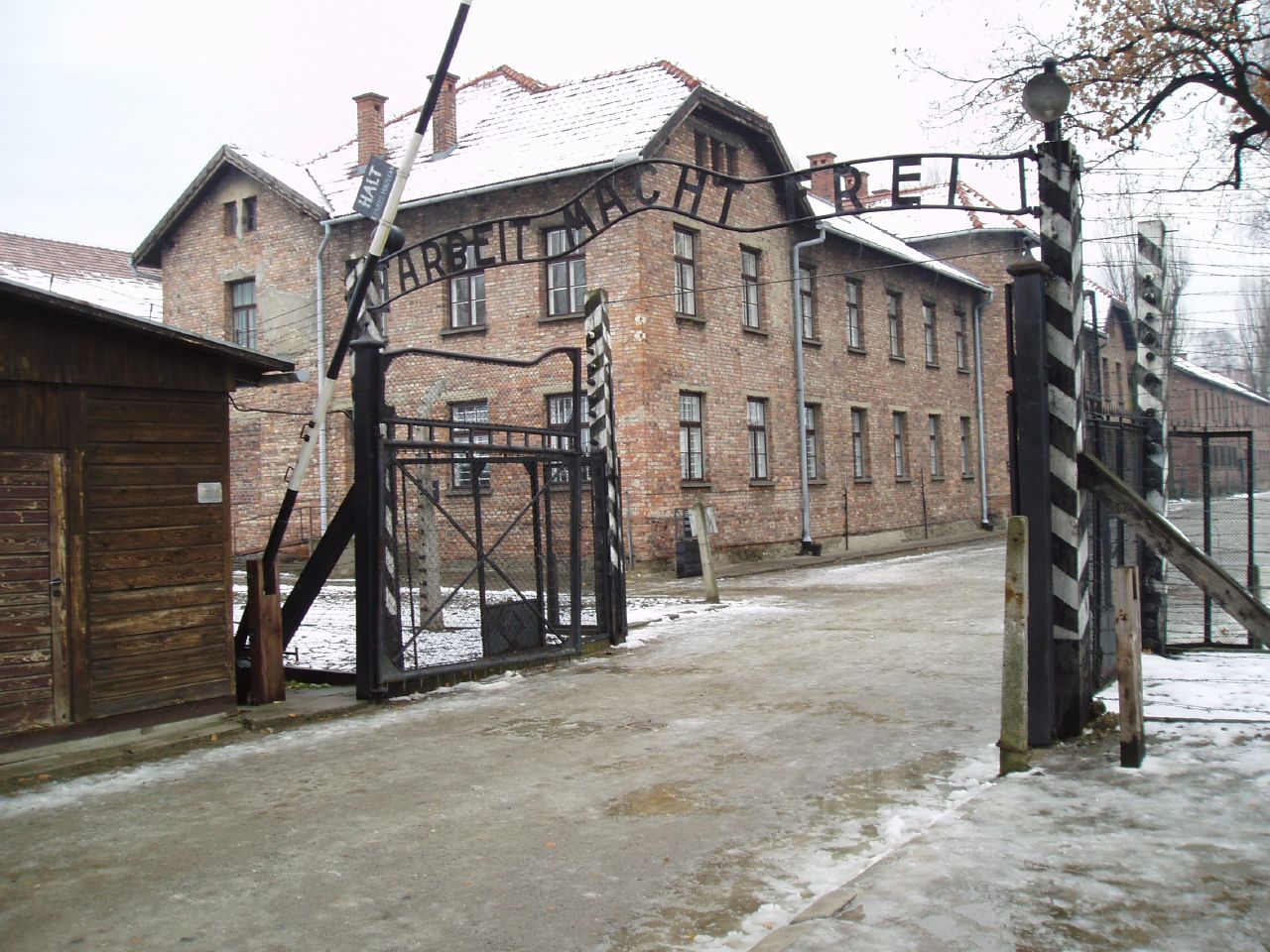
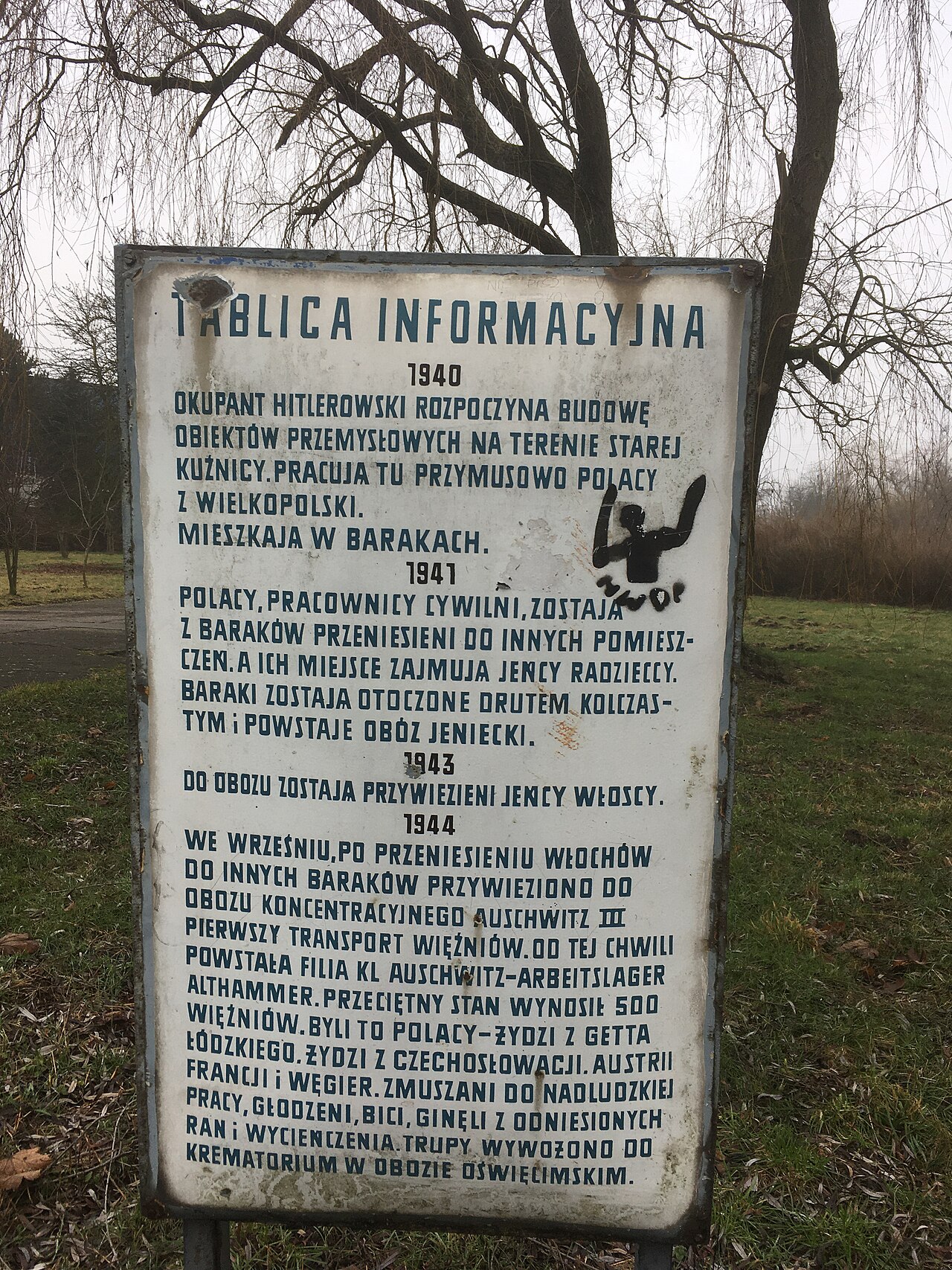
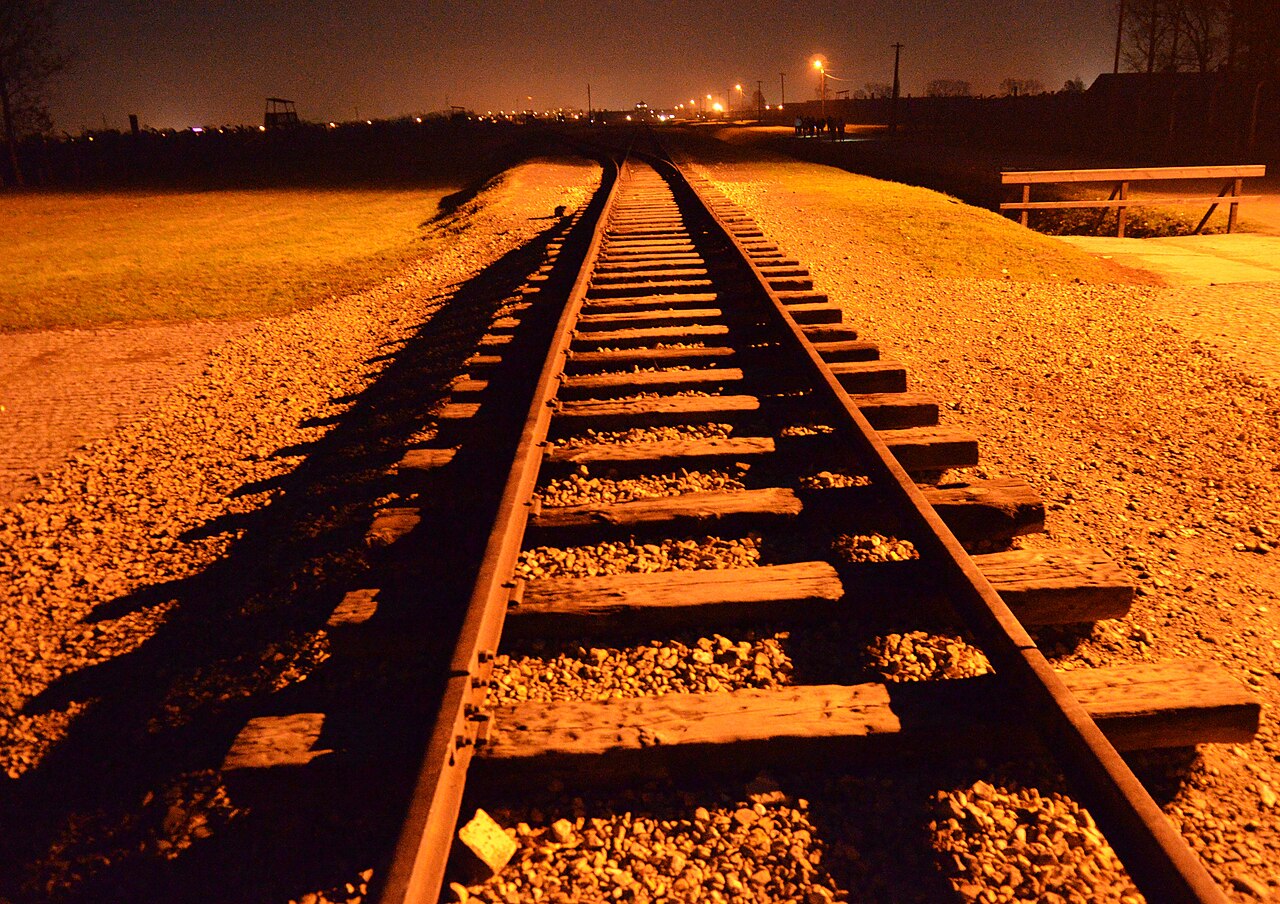
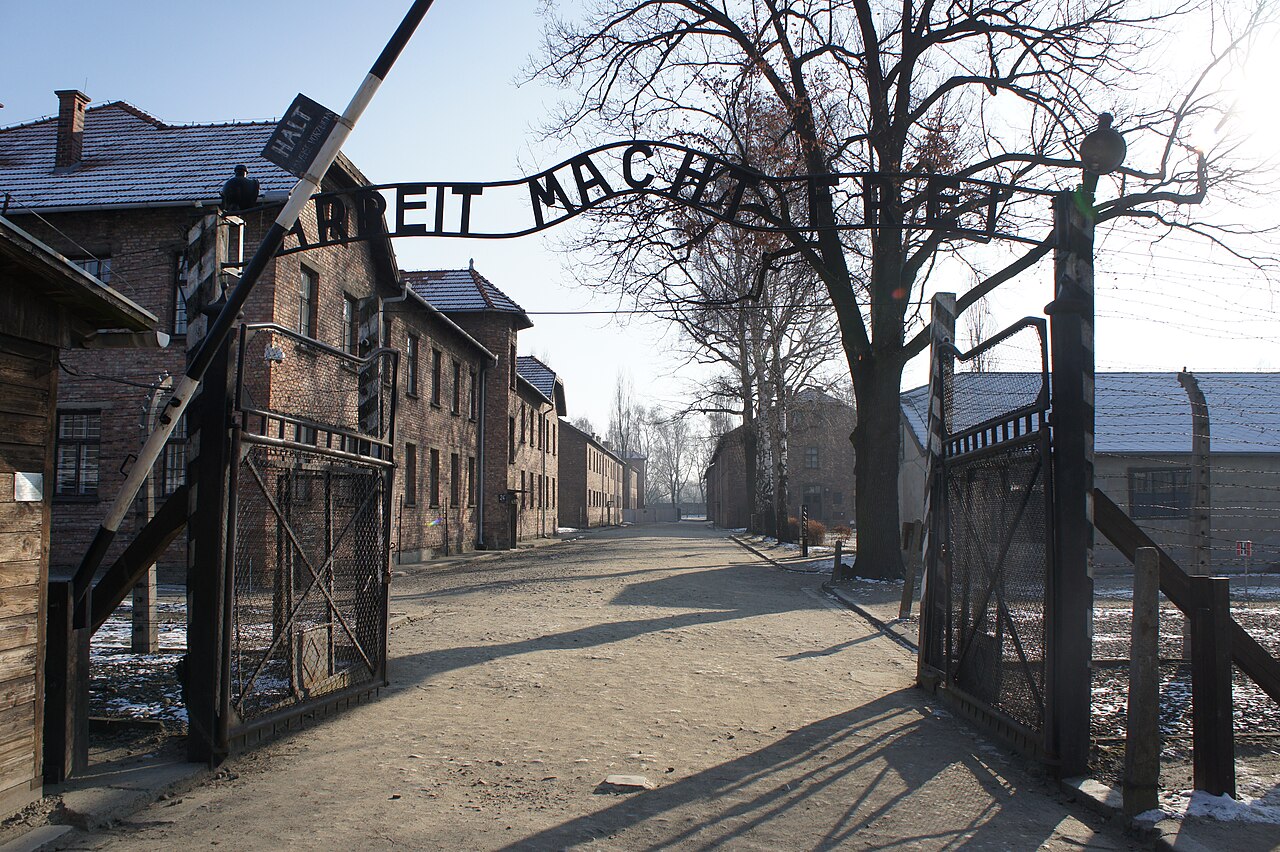
Nazi Germany ran a camp network in occupied Poland that included more than 40 facilities for both confinement and mass killing, known collectively as Auschwitz.[1] The complex comprised the main camp Auschwitz I, the extermination center Auschwitz II-Birkenau with gas chambers, the IG Farben labor camp Auschwitz III-Monowitz, and numerous satellite camps.[2] According to the evidence, 1.3 million individuals were deported to Auschwitz, and 1.1 million of them lost their lives there.[3]
What happened
After Germany's September 1939 invasion of Poland, the SS took over a former army barracks and turned it into a camp for prisoners of war, which became Auschwitz I.[4] On 14 June 1940, a group of 728 Polish men who were political prisoners, including some Catholic clergy and Jews, arrived from Tarnów in the first large-scale transport.[5] Around August 1941, the initial test gassing of Soviet prisoners of war occurred, using Zyklon B crystals.[6] A minimum of 802 prisoners attempted escape, with 144 succeeding; on 7 October 1944, two Sonderkommando units staged a revolt that failed.[7]
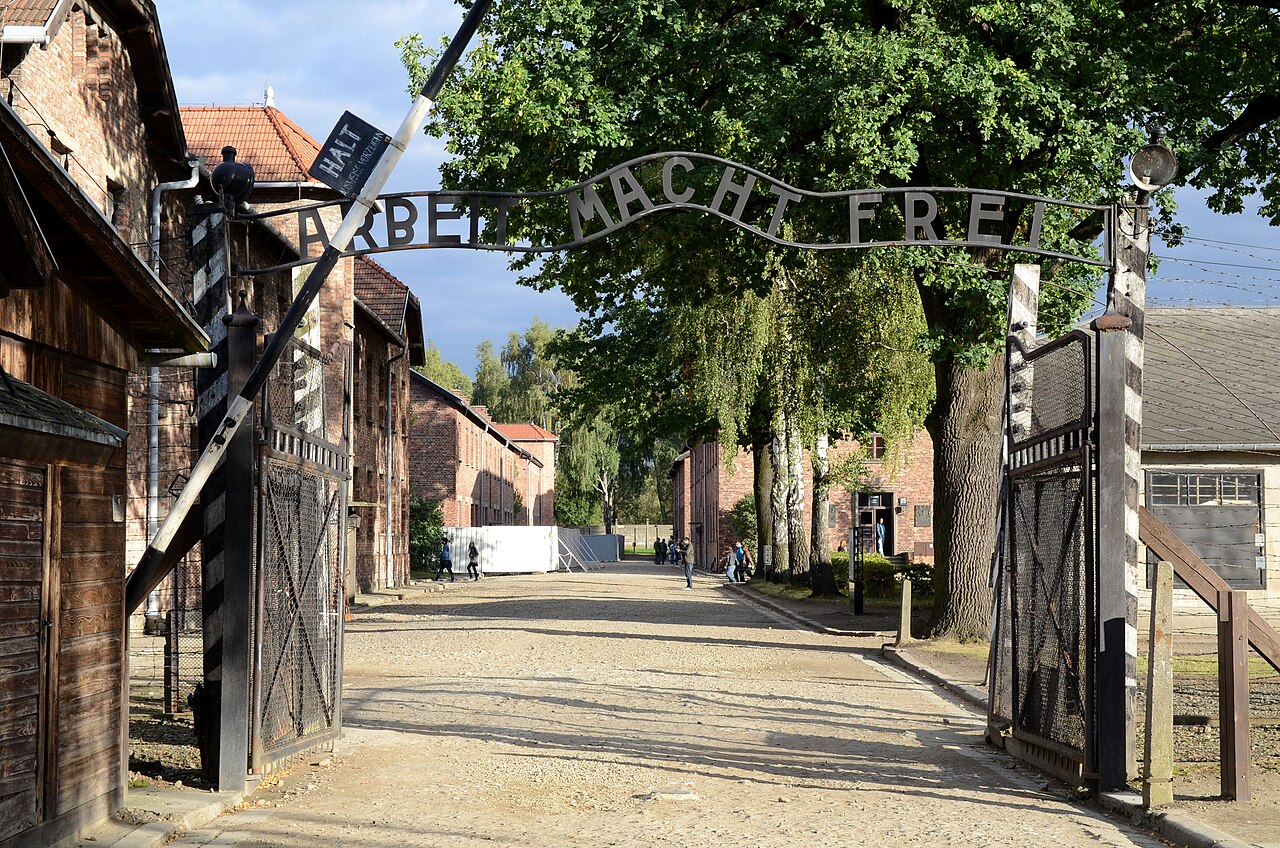
In January 1945, as the Soviet Red Army drew near, the SS forced the majority of inmates to march west toward camps located in Germany and Austria.[8]
What the cited sources add
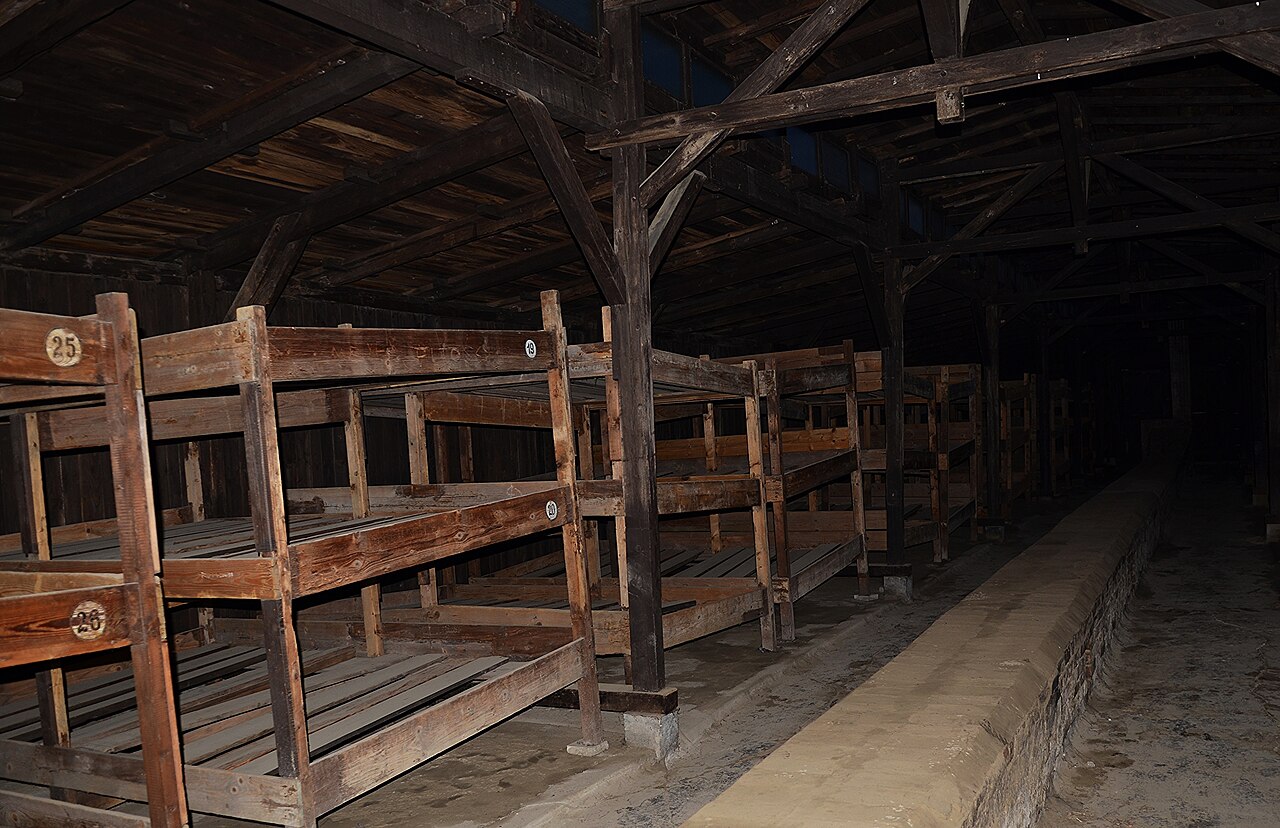
The Auschwitz museum holds more than 100,000 pairs of shoes, 12,000 kitchen utensils, 3,800 suitcases and 350 striped camp garments.[9] According to the US Holocaust Memorial Museum, the German SS systematically killed at least 960,000 of the 1.1-1.3 million Jews deported to the camp.[9] More people died at Auschwitz than at any other Nazi concentration camp and probably than at any death camp in history.[9] The Auschwitz-Birkenau State Museum notes that political prisoners in Auschwitz were, above all, Poles.[10]
References
- Wikipedia, "Auschwitz concentration camp" (CC BY-SA 4.0), which cites: "Crimes Trial", Calgary Herald, 14 December 1945, p. 2; "Auschwitz", encyclopedia.ushmm.org (we also read that source) en.wikipedia.org
- Wikipedia, "Auschwitz concentration camp" (CC BY-SA 4.0), which cites: "Auschwitz I, Auschwitz II-Birkenau, Auschwitz III-Monowitz", Auschwitz-Birkenau State Museum (original not read by us) en.wikipedia.org
- Wikipedia, "Auschwitz concentration camp" (CC BY-SA 4.0), which cites: ; also see . (original not read by us) en.wikipedia.org
- Wikipedia, "Auschwitz concentration camp" (CC BY-SA 4.0), which cites: Dwork van Pelt 2002, p. 166 (original not read by us) en.wikipedia.org
- Wikipedia, "Auschwitz concentration camp" (CC BY-SA 4.0), which cites: Strzelecka Setkiewicz 2000, p. 71; Strzelecka Setkiewicz 2000, p. 71; Gutman 1998, p. 16 (original not read by us) en.wikipedia.org
- Wikipedia, "Auschwitz concentration camp" (CC BY-SA 4.0), which cites: Pilecki, W. report from Auschwitz. "Der Spion von Auschwitz — Der Mann, der sich ins Lager schmuggelte. ORF III, 27 January 2025, c.9:50 pm CET.; ; ; .; Piper 2000b, p. 230; Piper 2000b, p. 230 (original not read by us) en.wikipedia.org
- Wikipedia, "Auschwitz concentration camp" (CC BY-SA 4.0), which cites: Lasik 2000b, p. 116, n. 19 (original not read by us) en.wikipedia.org
- Wikipedia, "Auschwitz concentration camp" (CC BY-SA 4.0), which cites: Arnett, "Auschwitz: a short history of the largest mass murder site in human history", amp.theguardian.com, 27 January 2015; "Auschwitz. Not long ago. Not far away.", Museum of Jewish Heritage — A Living Memorial to the Holocaust (we also read that source) en.wikipedia.org
- Arnett, "Auschwitz: a short history of the largest mass murder site in human history", amp.theguardian.com, 27 January 2015. facts only, no text reused. theguardian.com
- "System of triangles", Auschwitz-Birkenau State Museum. facts only, no text reused. auschwitz.org
Each numbered sentence above was checked against the source it cites before publication. Sentences citing Wikipedia adapt text from the English Wikipedia article Auschwitz concentration camp (contributors), used under CC BY-SA 4.0; this entry is available under the same licence. Other sources were used for facts only; no text or images are copied from them.
More in World War Ii And Its Aftermath
Sources
Compiled from Wikipedia and the sources listed below. Text from Wikipedia is available under CC BY-SA 4.0; this entry is adapted from it.
- Wikipedia: Auschwitz concentration camp (CC BY-SA 4.0).
Spotted an error? Know more?
Reader corrections go straight into our review queue. Suggest an edit · How this site is sourced