
Anne of Green Gables (1979 TV series)
Japanese anime adaptation of Montgomery's classic novel.

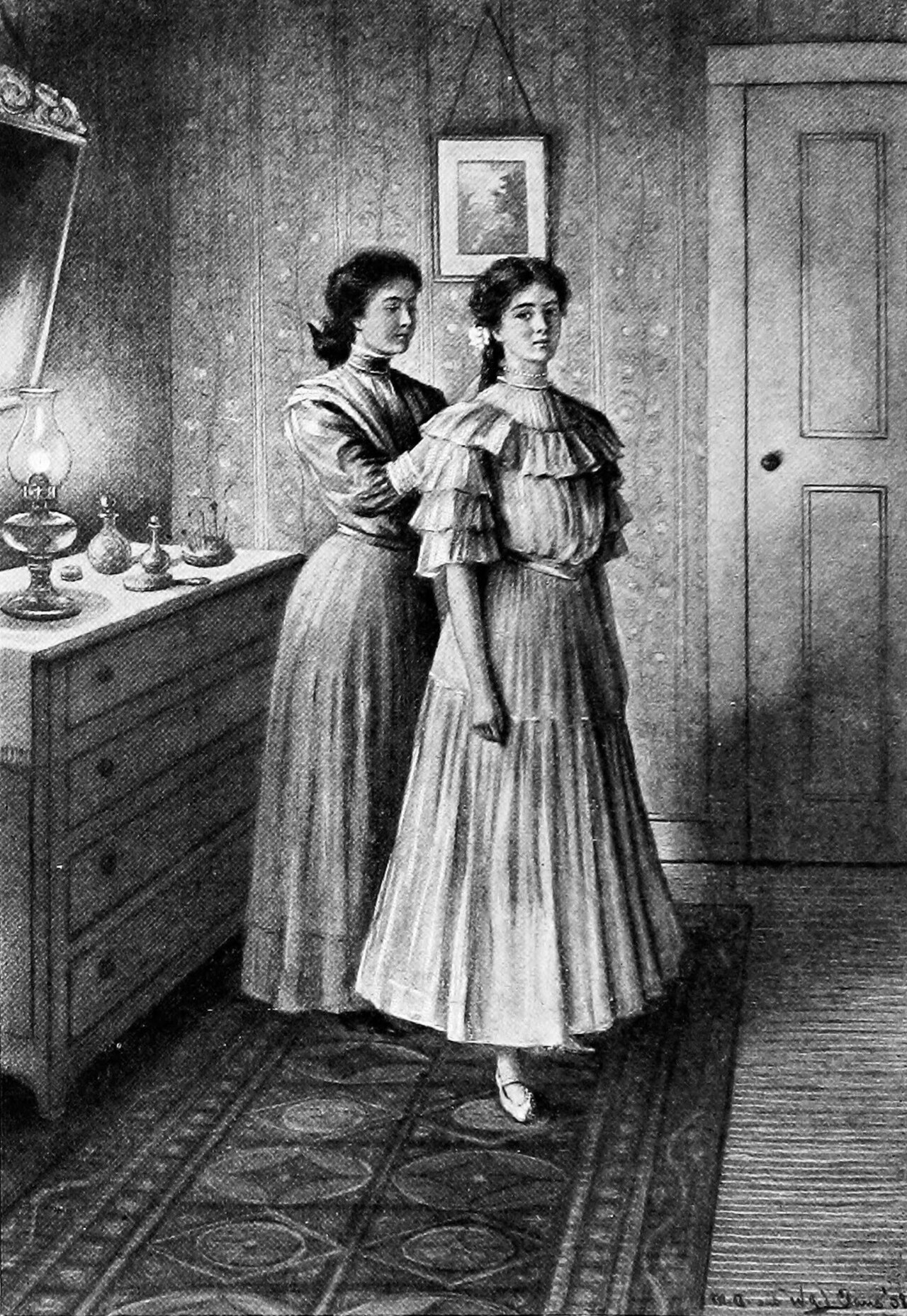
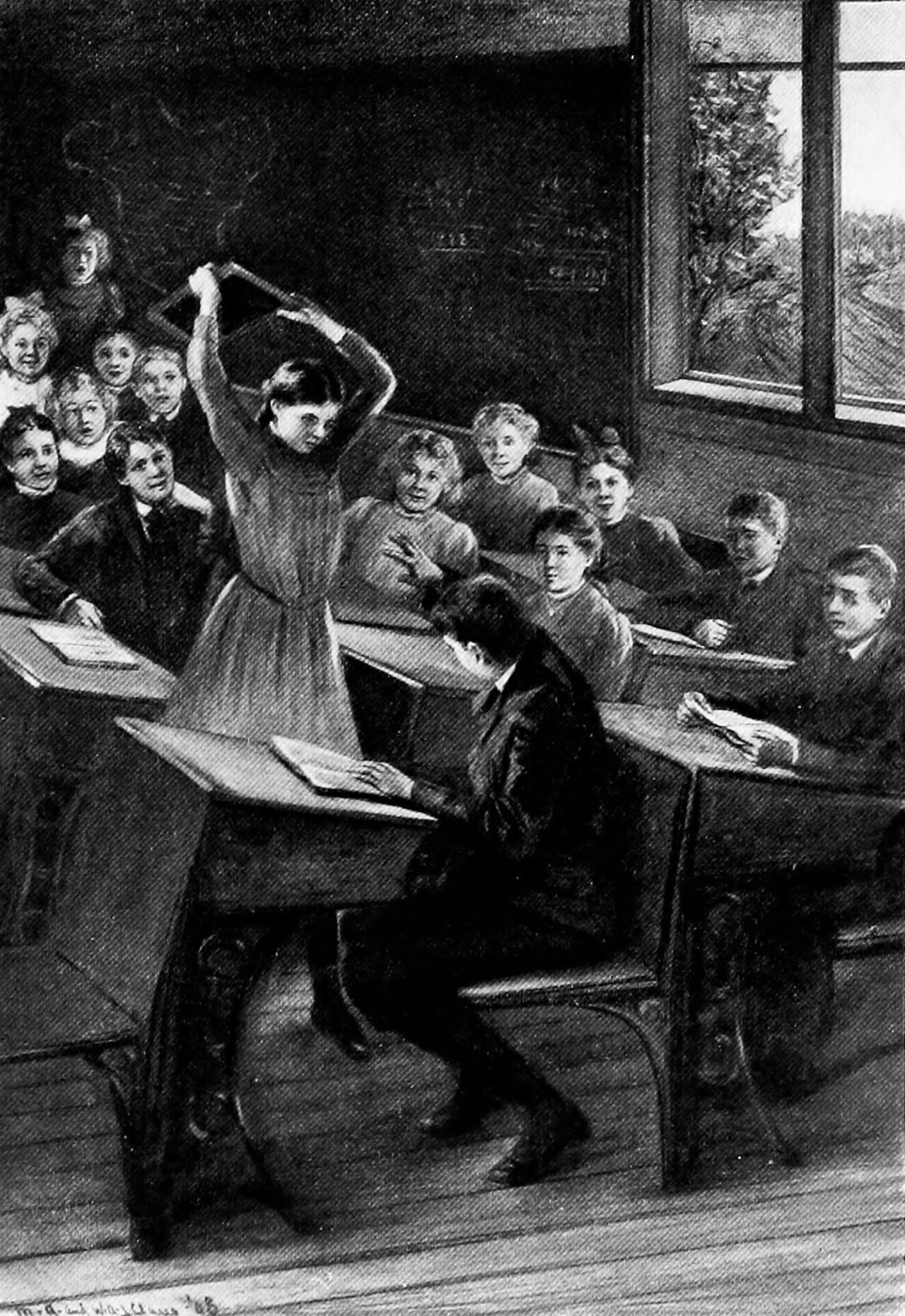
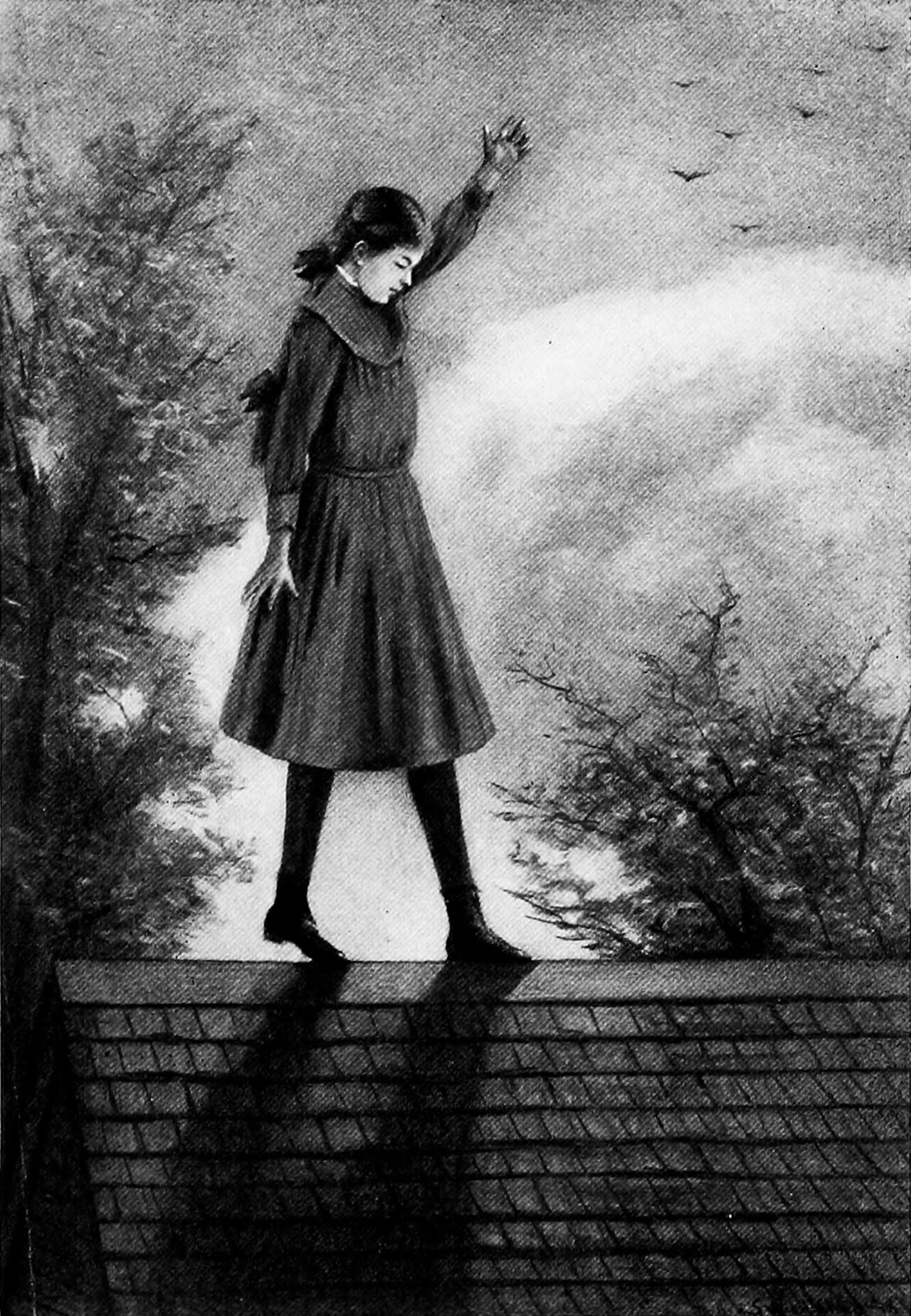
M. A. and W. A. J. Claus · Public domain
Anne of Green Gables is a Japanese animated television series and the fifth entry in Nippon Animation's World Masterpiece Theater franchise. Adapted from Lucy Maud Montgomery's 1908 novel, the series was first broadcast on Fuji Television from January 7 to December 30, 1979, totaling fifty episodes. Directed by Isao Takahata, the anime is noted for its faithful adaptation of the source material and its lasting popularity in Japan.
- Field
- Animated television series
- Nationality
- Japanese
- Known for
- Faithful adaptation of Anne of Green Gables; fifth entry in World Masterpiece Theater
- Episodes
- 50
- Original network
- Fuji Television
- Air dates
- January 7 to December 30, 1979
Lore & Background
The anime was directed by Isao Takahata, who initially hesitated due to the novel's dialogue-heavy and uneventful nature, but grew to appreciate its subtlety. The production team traveled to Prince Edward Island, Canada, in July 1978 to research locations, taking photos, sketches, and soil samples for accurate color reproduction. Hayao Miyazaki handled scene setting and layout for early episodes, but clashed with Takahata's realistic approach and left after the first 15 episodes, though the series was always planned as 50 episodes.
Character designer Yoshifumi Kondō initially drew Anne in a shōjo style based on the 1952 translation, but Takahata rejected it for a more realistic look inspired by Mia Farrow's performance in Peyton Place and the 1973 translation. Eiko Yamada, in her first anime role, was personally chosen by Takahata to voice Anne, despite other staff preferring a cuter voice. The recording sessions were positive, guided by recording director Yasuo Urakami and veteran actor Ryūji Saikachi.
The series became a classic in Italy and Germany, where it achieved status comparable to Heidi. An English dub was produced in South Africa, based on the original Japanese version, and aired on SABC in the early 1990s and on Jet TV in Asia in 1998.
Reader's Guide
Anne of Green Gables (1979) holds significance as a landmark in Japanese animation, demonstrating the World Masterpiece Theater's commitment to literary adaptations. Its production involved notable figures Isao Takahata and Hayao Miyazaki, whose creative differences foreshadowed their later divergent careers. The series' dedication to historical authenticity, including the research trip to Prince Edward Island, set a standard for period animation. Its enduring popularity in Japan, Italy, and Germany helped cement the novel's cultural presence abroad. The anime's influence extended to a prequel series, Kon'nichiwa Anne: Before Green Gables, which premiered in 2009. The series has been released on DVD and Blu-ray, and a compilation film of the first six episodes was released in 2010. Its legacy includes shaping perceptions of Anne Shirley as a character who defied idealized portrayals of girls, contrasting with Miyazaki's emerging vision.
Did You Know?
- The production team brought soil samples from Prince Edward Island to Japan to ensure accurate color reproduction.
- Eiko Yamada, who voiced Anne, was chosen by director Isao Takahata for her high-pitched, inexperienced delivery, which he felt matched Anne's personality.
- The series was always planned as 50 episodes, with no reduction from an earlier count.
- In Italy, the novel was first published in Italian in 1919, long before the 1979 anime, so the broadcast did not precede the book.
A Reluctant Director Finds His Calling
Isao Takahata initially resisted the project, viewing the novel as a dialogue-heavy, uneventful 'girls' book' ill-suited for animation. He accepted partly due to internal studio politics, but as he immersed himself in Montgomery's text, he came to appreciate its quiet subtlety and embraced it as a genuine creative challenge. Unlike his earlier World Masterpiece Theater entries, which had been adapted and altered, Takahata committed to holding this version faithful to the original source. The screenwriters made a deliberate choice to work from Taeko Kamiyama's 1973 translation rather than the earlier 1952 version by Hanako Muraoka, deeming it more faithful to Montgomery's prose. In July 1978, Takahata, Yoshifumi Kondō, and the production team traveled to Prince Edward Island, visiting the Green Gables house and Orwell Corner Historic Village. They photographed landscapes, sketched architecture, and even collected soil samples to bring back to Japan for accurate color reproduction. This research grounded the series in the visual and atmospheric reality of late nineteenth-century rural Canada, lending it a historical authenticity that set it apart from more fantastical animated adaptations of the era.
Two Visions, One Studio: The Miyazaki–Takahata Rift
Although Hayao Miyazaki contributed scene-setting and layout work to the early episodes, his tenure was marked by a fundamental philosophical divide with director Isao Takahata. Takahata favored controlled, realistic acting and a sober, delicate animation approach that mirrored the novel's everyday-life tone. Miyazaki, by contrast, leaned toward a highly expressive and dynamic visual style. Their storyboards and layouts frequently clashed. Beyond technique, the character of Anne herself posed a challenge for Miyazaki: unidealized in appearance, impulsive in temperament, and lacking a male point of view, she ran counter to the protective, idealized image of girls he was beginning to shape in his own work. Miyazaki, who admitted he was unfamiliar with the novel and unimpressed by it, remained detached from its themes. He departed after the first fifteen episodes, and the production noticeably declined—animation grew more static, still frames increased, and the series was cut from fifty-two episodes to fifty due to delays. Miyazaki had not intended to part ways with Takahata, nor had he planned to go independent at that stage of his career, yet the creative incompatibility proved decisive.
Voices and Faces: Building Anne's World
Eiko Yamada landed her very first anime role as the voice of Anne, personally selected by Takahata for her high-pitched, inexperienced delivery, which he felt perfectly captured the character's expressive and impulsive nature. Other staff, including Miyazaki, had preferred a cuter voice, but Takahata's instinct prevailed. The recording sessions, in stark contrast to the tense atmosphere among the animators, were positive and supportive. Recording director Yasuo Urakami and veteran voice actor Ryūji Saikachi, who voiced Matthew, helped guide Yamada's performance through the sessions. Fumie Kitahara, who brought Marilla to life, had prior dubbing experience but no background in anime. Gara Takashima, voicing Diana, was in her first major role. Yamada went on to become a staple of the World Masterpiece Theater franchise, later voicing Lavinia in Princess Sara and Jo March in Tales of Little Women, the latter of which also featured character designs by Yoshifumi Kondō. Kondō himself had been chosen for character design and animation director over Yoichi Kotabe, who had stopped working with Takahata after the previous series. Kondō and Takahata would go on to collaborate on Grave of the Fireflies and Only Yesterday.
A Story That Endured Across Decades
Montgomery's novel had already achieved remarkable popularity in Japan before the anime entered production, first reaching Japanese readers through Hanako Muraoka's 1952 translation. By the late 1970s, however, the book was widely perceived as a 'girls' book,' a label that initially made Takahata skeptical about its animation potential. Despite that perception, the animated series resonated deeply with Japanese audiences and remains beloved to this day. The franchise's longevity is evident in its continued cultural presence: in 2009, a prequel anime titled Kon'nichiwa Anne: Before Green Gables premiered in Japan, expanding the story's reach to a new generation. In 2010, the first six episodes of the original series were edited into a compilation film, giving the material a theatrical life. The series also found an international audience, with an Italian version distributed by Doro TV Merchandising and broadcast on Rai 1. The opening theme, 'Kikoeru Kashira,' and ending theme, 'Samenai Yume,' both composed by Akira Miyoshi with lyrics by Eriko Kishida and performed by Ritsuko Ohwada, became familiar touches for viewers tuning in on Fuji Television and its affiliates between January 7 and December 30, 1979.
Gallery
Frequently Asked Questions
What is Anne of Green Gables (1979 TV series)?
It is a Japanese animated television series based on Lucy Maud Montgomery's 1908 novel, produced as the fifth entry in Nippon Animation's World Masterpiece Theater franchise.
Who directed Anne of Green Gables (1979 TV series)?
The series was helmed by acclaimed Japanese animator Isao Takahata and broadcast on Fuji Television in Japan.
How many episodes are in Anne of Green Gables (1979 TV series) and when did it air?
The show ran for a total of fifty episodes, airing from January 7 through December 30, 1979 on Fuji Television.
Why is Anne of Green Gables (1979 TV series) considered important in anime history?
It is celebrated for its remarkably faithful rendering of Montgomery's novel, translating the source material into animation with minimal deviation. The series has retained a devoted audience in Japan for decades following its original run.
How does Anne of Green Gables (1979 TV series) compare to the original novel?
The anime is widely recognized for closely following the plot, characters, and tone of the 1908 book rather than taking major liberties. Fans often point to its dedication to the source text as a key reason for its lasting popularity.
More in World Masterpiece Theater series 1-24
Spotted an error? Know more?
Reader corrections go straight into our review queue. Suggest an edit · How this site is sourced