
Bottini of Siena
Medieval aqueducts that supplied Siena for centuries.
Last updated

LigaDue · CC BY-SA 4.0
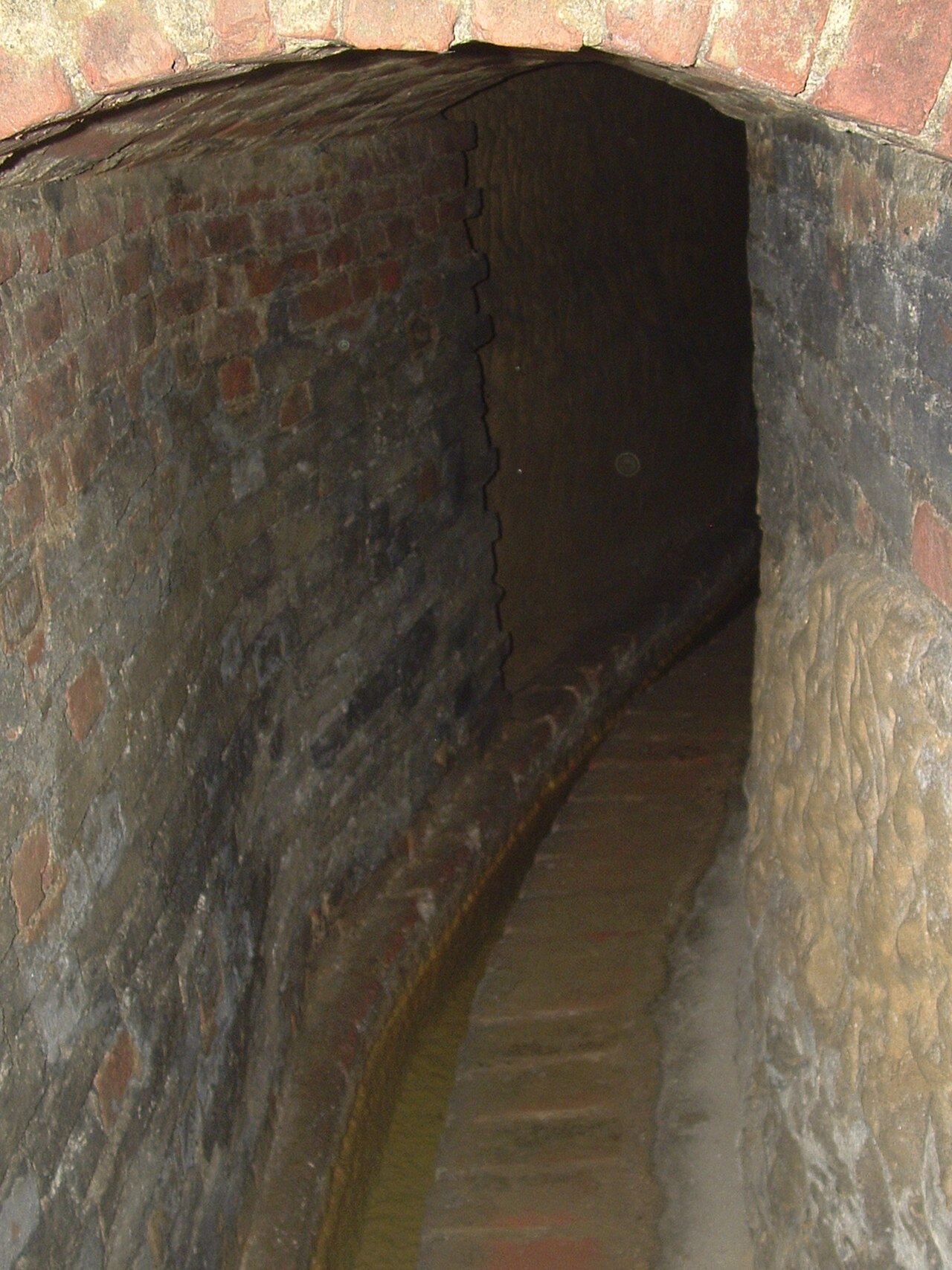
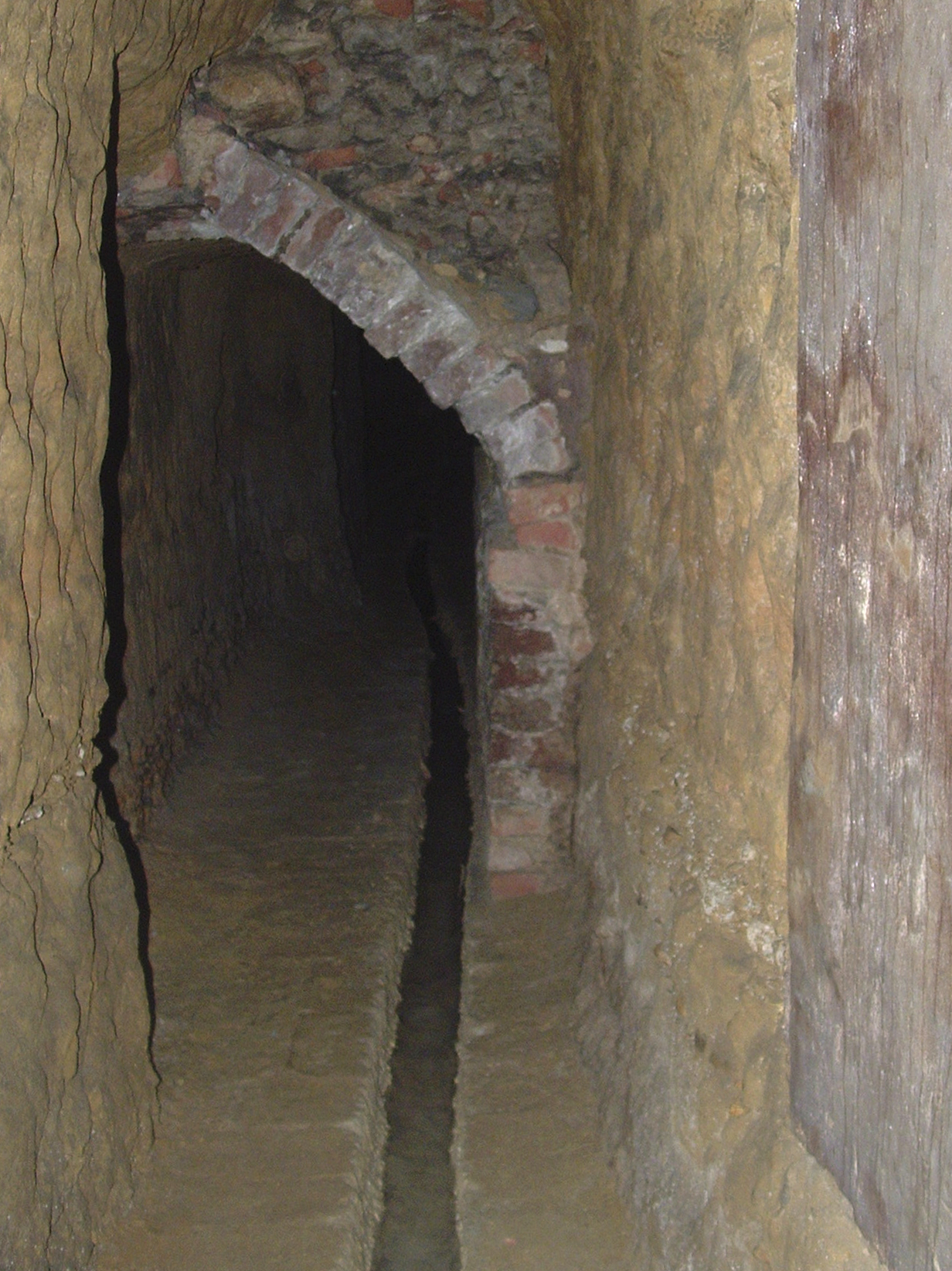
The Bottini di Siena are a complex system of medieval underground aqueducts that supplied water to the city of Siena, Italy. Spanning 25 kilometers, they served as a primary water source for the city until the modern aqueduct (Acquedotto del Vivo) was completed in 1914. While some sections may still carry water, the system is largely non-functional for its original purpose, and many historic fountains (e.g., Fonte Gaia) no longer receive water from the Bottini. The system primarily collects groundwater from springs and percolation, rather than rainwater or river diversion, enabling urban life and artisan industries in a city located far from natural watercourses.
Quick Facts
- Nationality
- Italian (Siena)
- Known for
- Medieval underground aqueduct system supplying Siena until 1914
- Total length
- 25 km (16 mi)
- First documented
- 1226 (Latin name buctinus)
- Oldest section
- 4th century Roman period
- Main canals
- Bottino maestro di Fonte Gaia and Bottino maestro di Fontebranda
Facts from the source article.
Lore & Background
The Bottini originated in the Roman period, with underground watercourses existing as early as the 4th century. They were first documented under the Latin name buctinus in 1226. The system expanded during the Middle Ages due to Siena's population growth and water shortage.
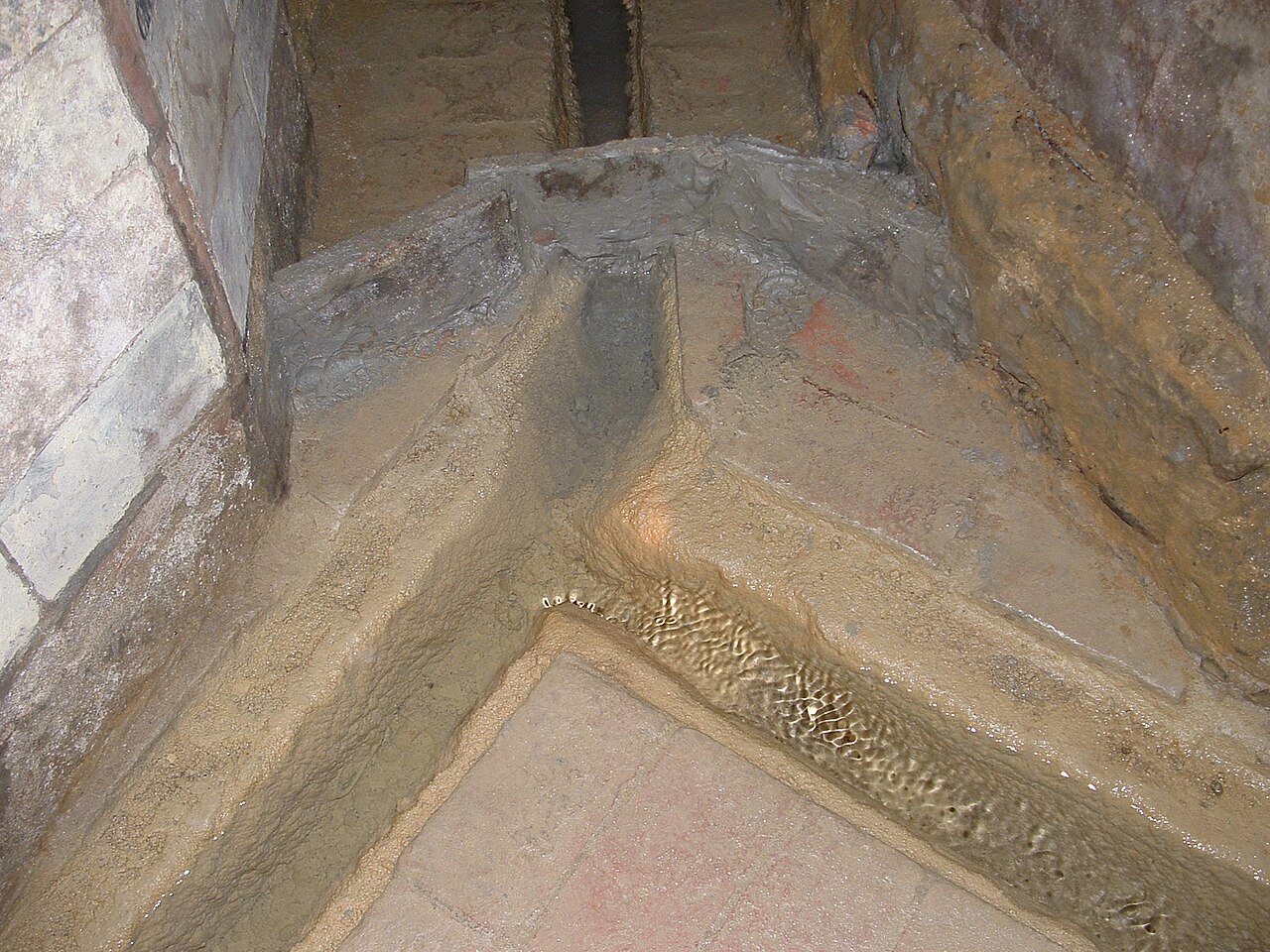
By 1246, bricked Bottini were documented during expansion of Fontebranda, and in 1250 work was carried out on wells including those of Val di Montone, Val di Follonica, Fontebranda, Pescaia, and Vetrice. An attempt to divert the Merse River in 1267 failed, leading to renewed focus on existing waterways. New water veins discovered in 1274 led to the construction of Fontenuova and Fonte d'Ovile fountains.
In 1334, the city government commissioned Jacopo di Vanni to bring water from northern veins into the city, and by 1343 water reached Piazza del Campo. The first stones of Fonte Gaia were laid in April 1343, and the fountain was completed and inaugurated in 1346. Professional miners from Massa Marittima and Montieri, called Guerchi, were hired from 1344 for difficult excavations. The Ramo di Uopini was completed in 1387.
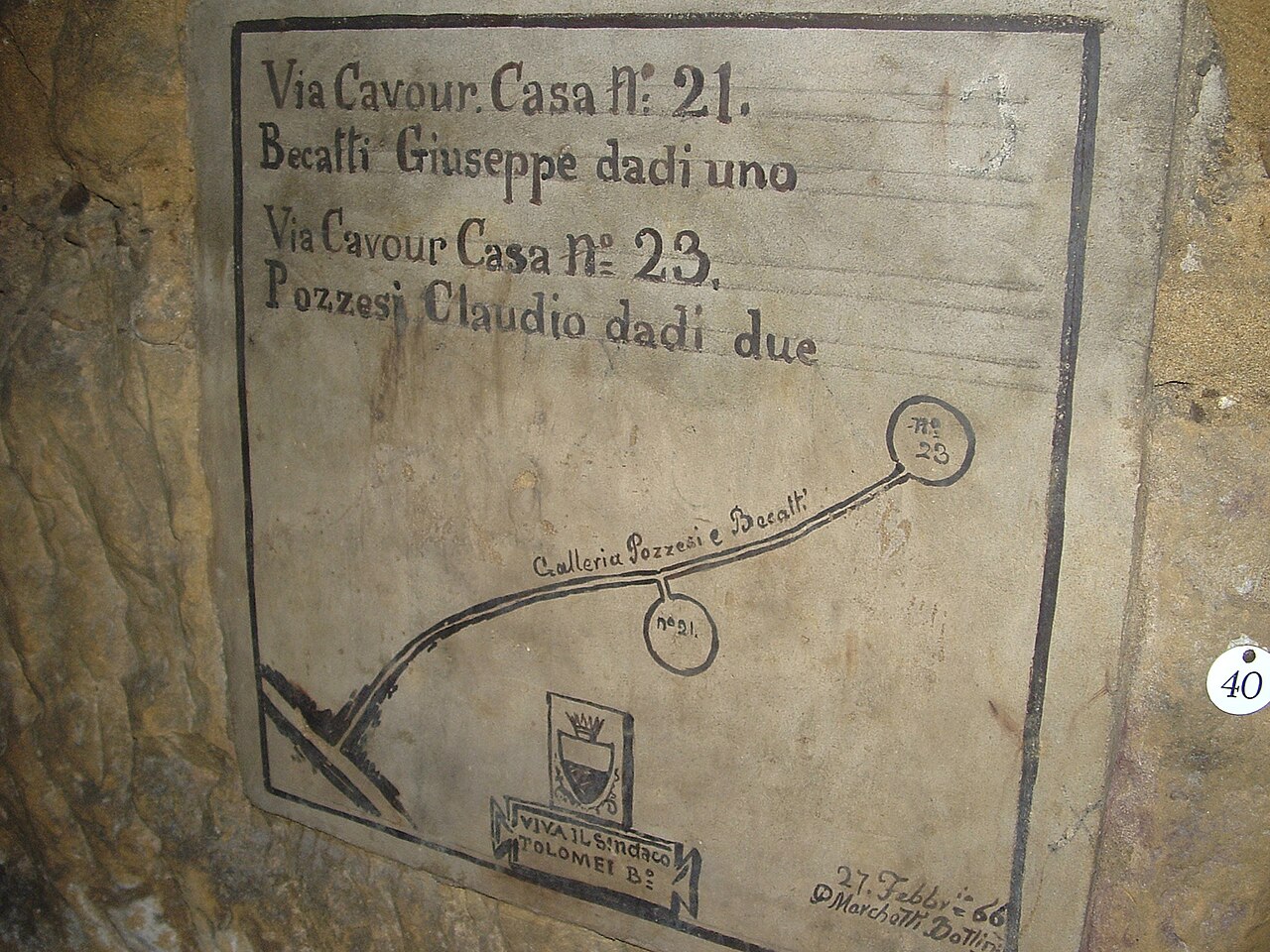
To improve water quality, the Galazzoni decanting basins were built between 1437 and 1438 under the Prato di Porta Camollia. After 1466, no significant changes were made to the main structure. Private connections began in 1474, with Alessandro di Mariano Sozzini receiving permission to build a drain to his residence.
Reader's Guide
The Bottini di Siena represent a remarkable feat of medieval hydraulic engineering, sustaining a major city for centuries despite its distance from natural water sources. The system's design—collecting rainwater through permeable roofs, diverting rivers, and maintaining a constant incline of 1‰—demonstrates sophisticated understanding of hydrology. Its dual role in supplying drinking water and powering artisan industries (dyers, leather workers) highlights its centrality to Sienese economy and daily life. The Bottini also played a strategic role: during the Florentine siege of 1554–1555, they were walled up to prevent enemy entry, and earlier, in 1526, conspirators attempted to use them to infiltrate troops.
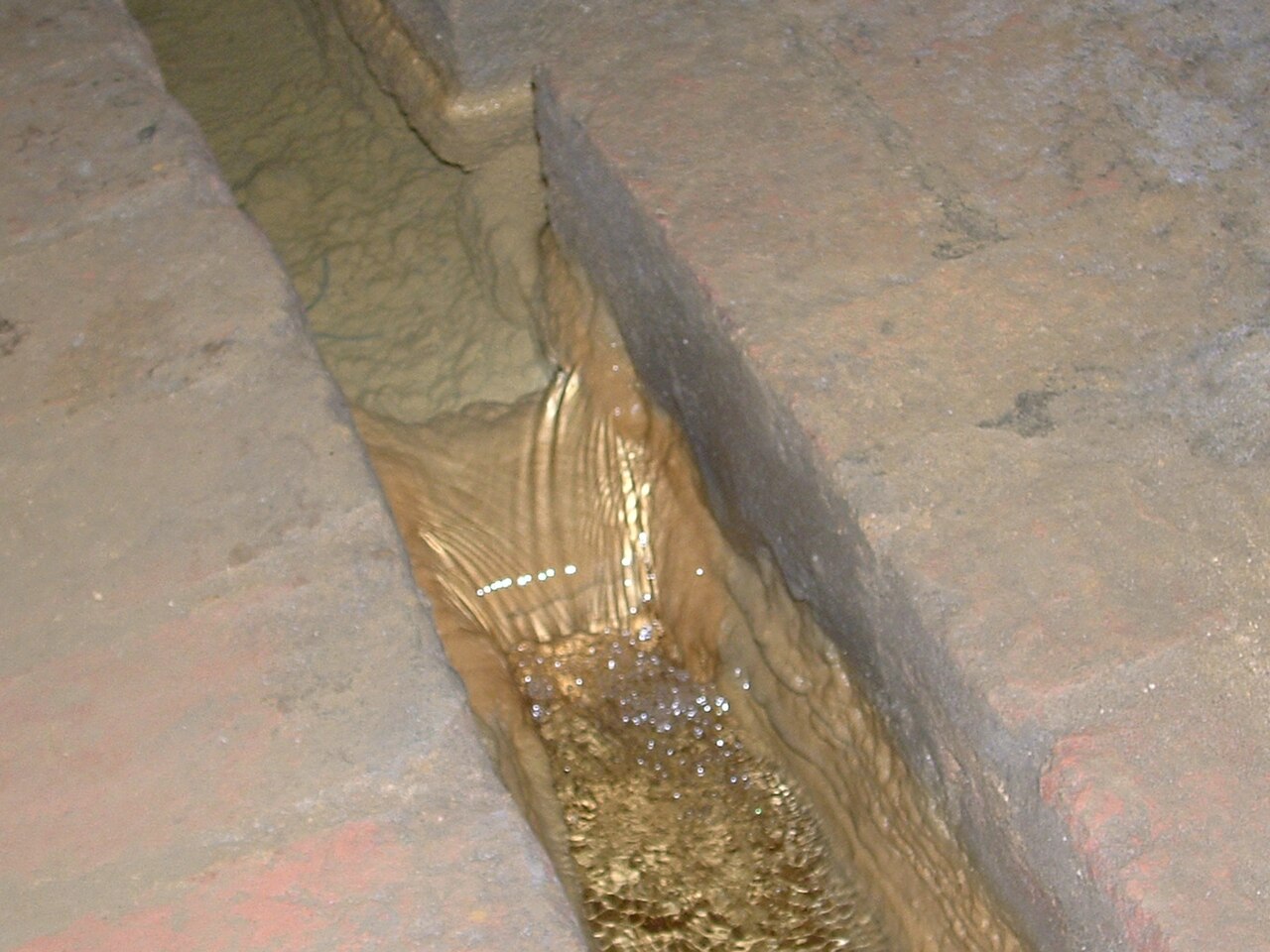
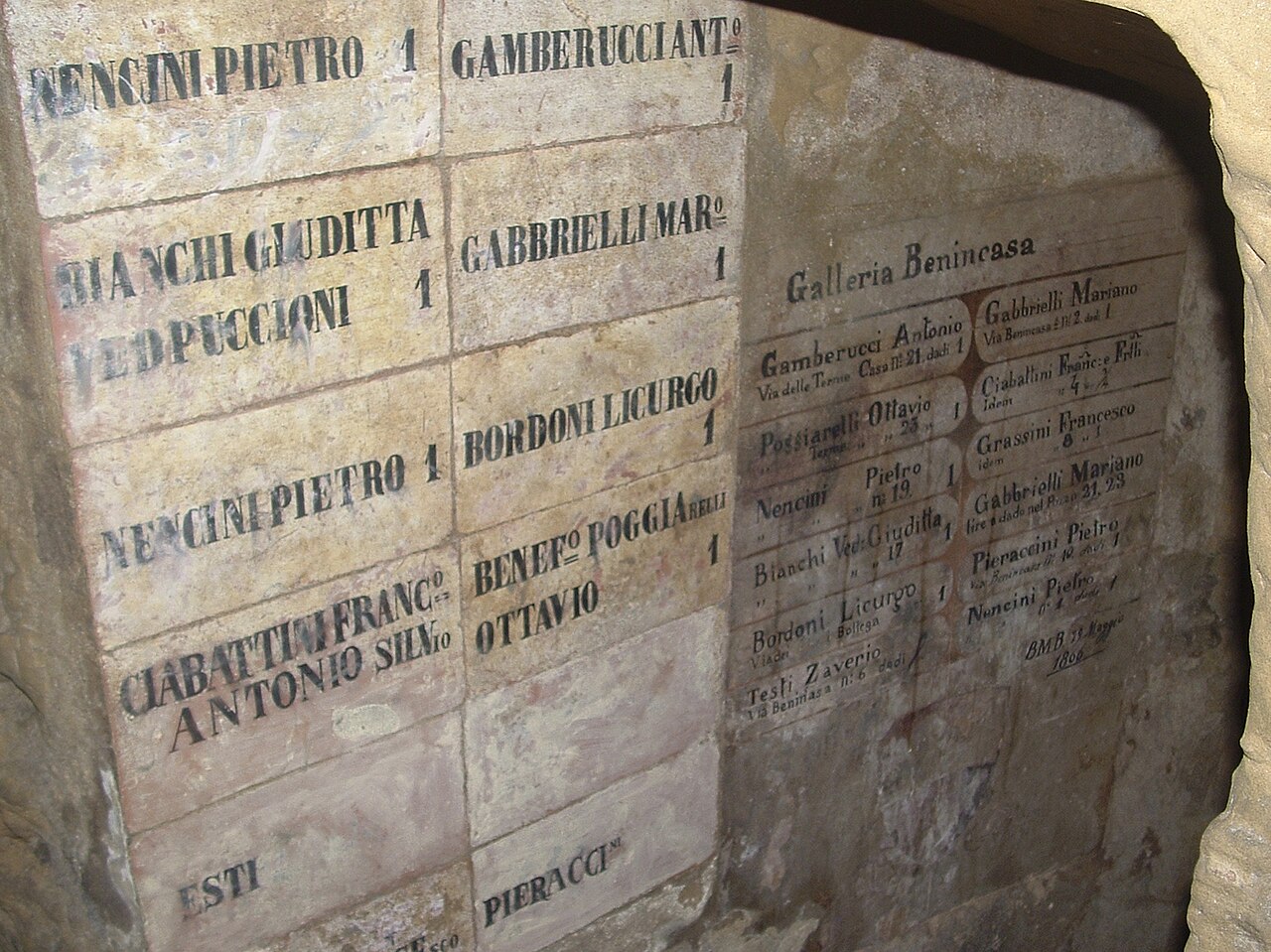
The system's longevity—serving as the sole water source from 1555 until the Vivo aqueduct after World War I—underscores its resilience. Even after 1914, the Bottini continue to supply Siena's fountains, preserving a living link to medieval urban infrastructure. The introduction of private connections in 1474 and the later 'dado' water-measurement system (a hole in a plate corresponding to about 400 liters per 24 hours) illustrate early attempts at water management and regulation.
Did You Know?
- The Bottini are named after the Latin word buctinus, first used in 1226, and the Italian word botte ('barrels'), describing the arched terracotta roofs of the tunnels.
- The Bottino maestro di Fonte Gaia transports 2.7 liters per second and has a constant incline of 1‰ (1 meter drop per kilometer).
- The Galazzoni, built between 1437 and 1438, are decanting basins 1.6 meters deep that hold at least 1,400 hectoliters to remove impurities from the water.
More in World Heritage Sites in Italy
Sources
Compiled from Wikipedia and the sources listed below. Text from Wikipedia is available under CC BY-SA 4.0; this entry is adapted from it.
- Wikipedia: Bottini of Siena (CC BY-SA 4.0).
Spotted an error? Know more?
Reader corrections go straight into our review queue. Suggest an edit · How this site is sourced