
Toots and the Maytals
The vocal group that coined the name 'reggae' and helped define the genre.
Last updated

User:Carstor · CC BY 4.0
The Maytals, who performed as Toots and the Maytals between 1972 and 2020, are a Jamaican vocal group known for ska and rocksteady. Formed in the early 1960s, they helped bring reggae to a wide audience.
Frontman Toots Hibbert (1942–2020) was seen as a reggae pioneer alongside Bob Marley. His soulful singing, often compared to Otis Redding, earned him a spot on Rolling Stone’s list of the 100 Greatest Singers. After his death, the remaining members said they would keep performing as a group.
Their 1968 single “Do the Reggay” was the first song to use the word “reggae,” giving the genre its name and introducing it globally. The Oxford English Dictionary credits Toots and the Maytals in the word’s etymology. Island Records founder Chris Blackwell called them “sensational, raw, and dynamic.”
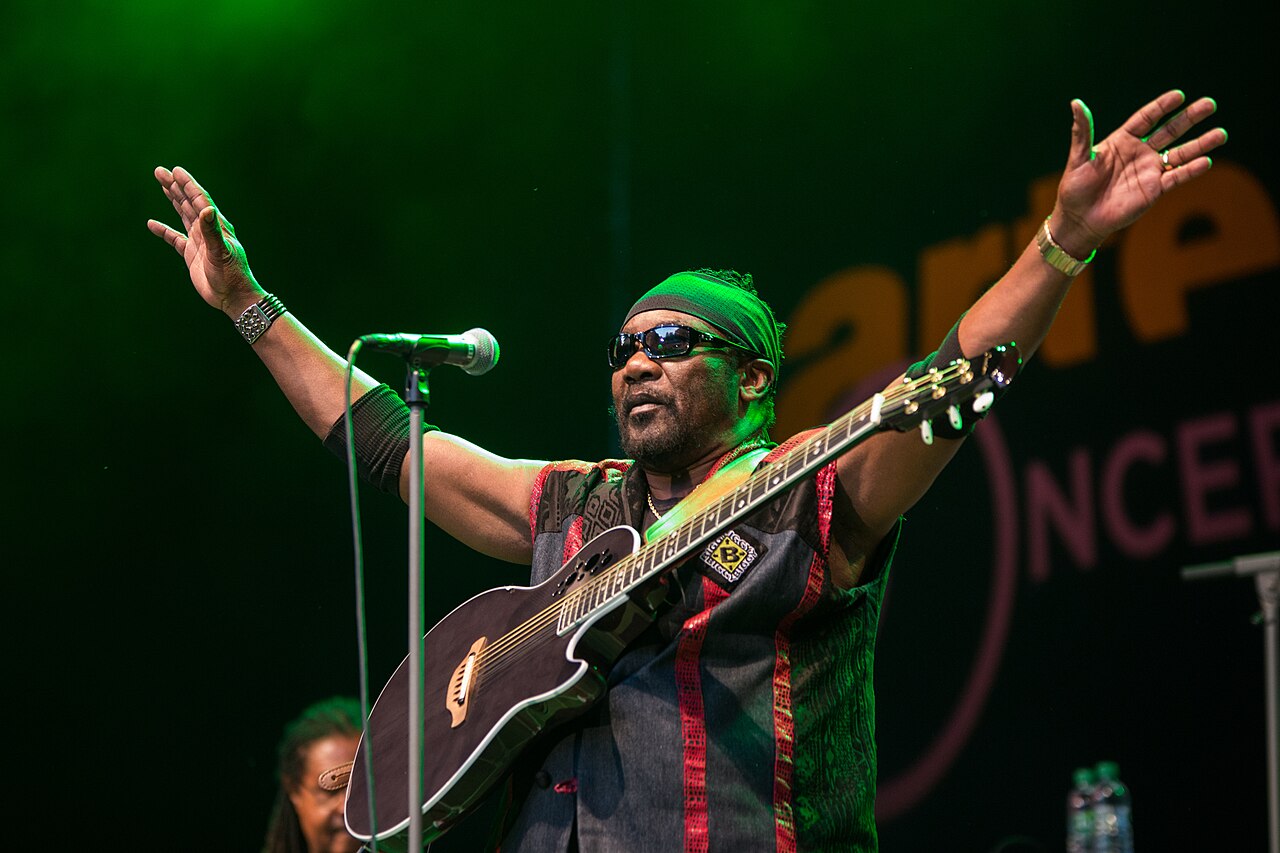
The Maytals
Hibbert was born in May Pen, Clarendon, Jamaica, in 1942, the youngest of seven children. He sang gospel in a church choir and moved to Kingston in the late 1950s. In 1962, he met Henry “Raleigh” Gordon and Nathaniel “Jerry” Mathias in Kingston, forming the vocal trio The Maytals. Early recordings were mistakenly credited to The Flames and The Vikings in the UK by Island Records.
Instrumentalists Jackie Jackson, Hux Brown, Rad Bryan, and Paul Douglas later joined. In 1972, the group changed its name to Toots and the Maytals, with “Toots” referring to Hibbert and “the Maytals” to the backing musicians and singers. In a 2016 radio interview, Jackson explained that the original trio was signed to Island Records, and Chris Blackwell decided the recording band should also be called the Maytals, so everything came under that name. They began touring in 1975.
The 1960s
The Maytals first found chart success with producer Clement “Coxsone” Dodd at Studio One, backed by the Skatalites. Their gospel harmonies overshadowed Dodd’s other group, the Wailers. After about two years, they worked with Prince Buster and then Byron Lee in 1966. With Lee, they won the first Jamaican Independence Festival Popular Song Competition with “Bam Bam.” That song was later covered by Sister Nancy and Yellowman in 1982 without credit or royalties to Toots and the Maytals.
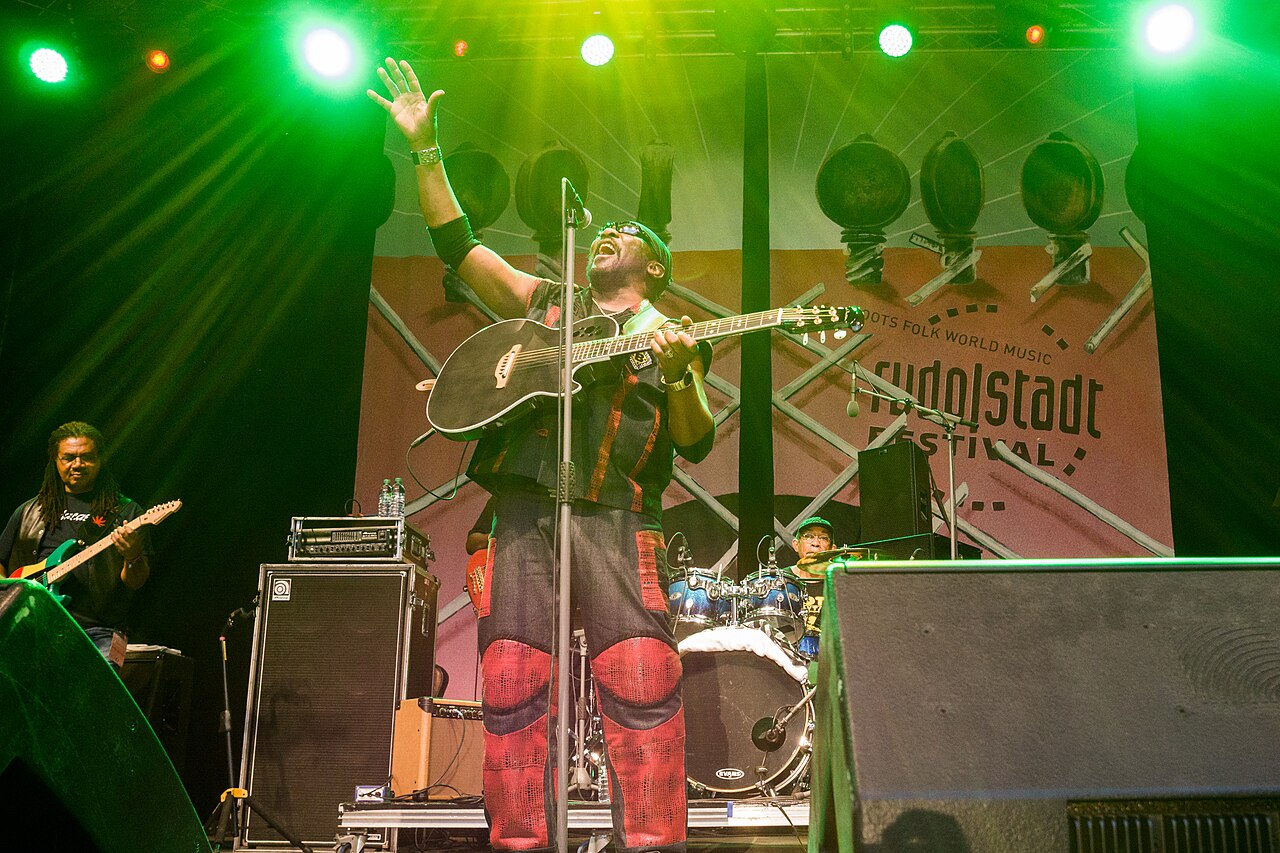
They won the contest two more times. In late 1966, Hibbert was jailed for 18 months for marijuana possession, though he claimed he was arrested while helping a friend. He wrote “54-46 That’s My Number” about his time in jail.
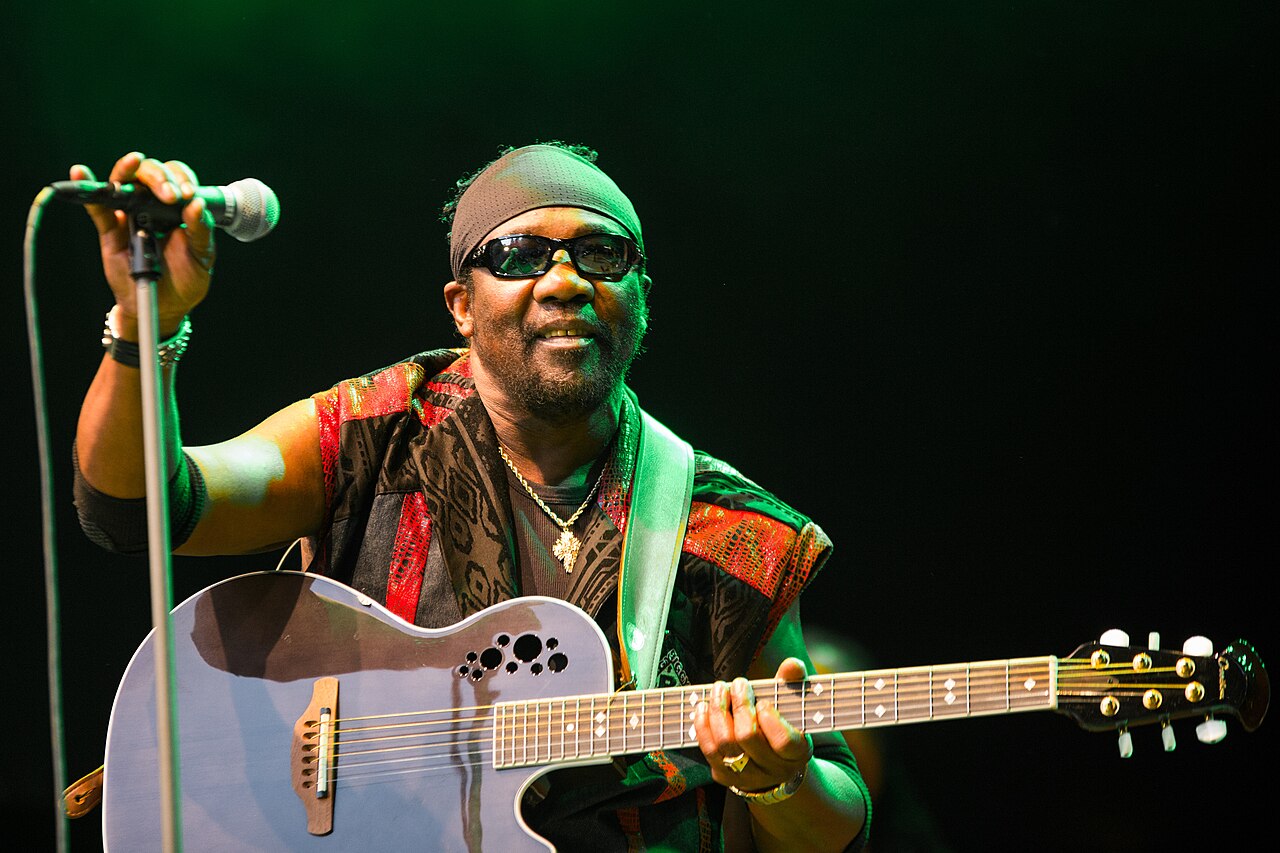
After Hibbert’s release in 1967, the group worked with Chinese Jamaican producer Leslie Kong, producing hits like “Do the Reggay” in 1968. Their biggest songs include “Pressure Drop,” “Sweet and Dandy,” and “54-46 That’s My Number,” which became the first international reggae hit. In 1970, “Monkey Man” was their first international hit. In 1971, they signed with Chris Blackwell’s Island Records, which reformed the band with Hibbert as frontman backed by selected instrumentalists called The Maytals Band.
The 1970s
They became Jamaica’s biggest act and international stars. Blackwell focused on the UK market and released their albums through Dragon Records. Island Records helped establish reggae globally with Toots and the Maytals, Lee Scratch Perry, and Sly and Robbie.
In 1972, the group won the Jamaican Independence Festival Popular Song Competition a third time with “Pomp and Pride.” That year, they contributed two songs to the soundtrack of The Harder They Come, a film that introduced Jamaican music to American audiences, and the band appears in one scene. After Kong’s death in 1971, they recorded with his former sound engineer, Warrick Lyn. Producer Byron Lee renamed them Toots & the Maytals. They released three best-selling albums produced by Lyn and Blackwell, with international hits including Funky Kingston (1973) and Reggae Got Soul (1976).
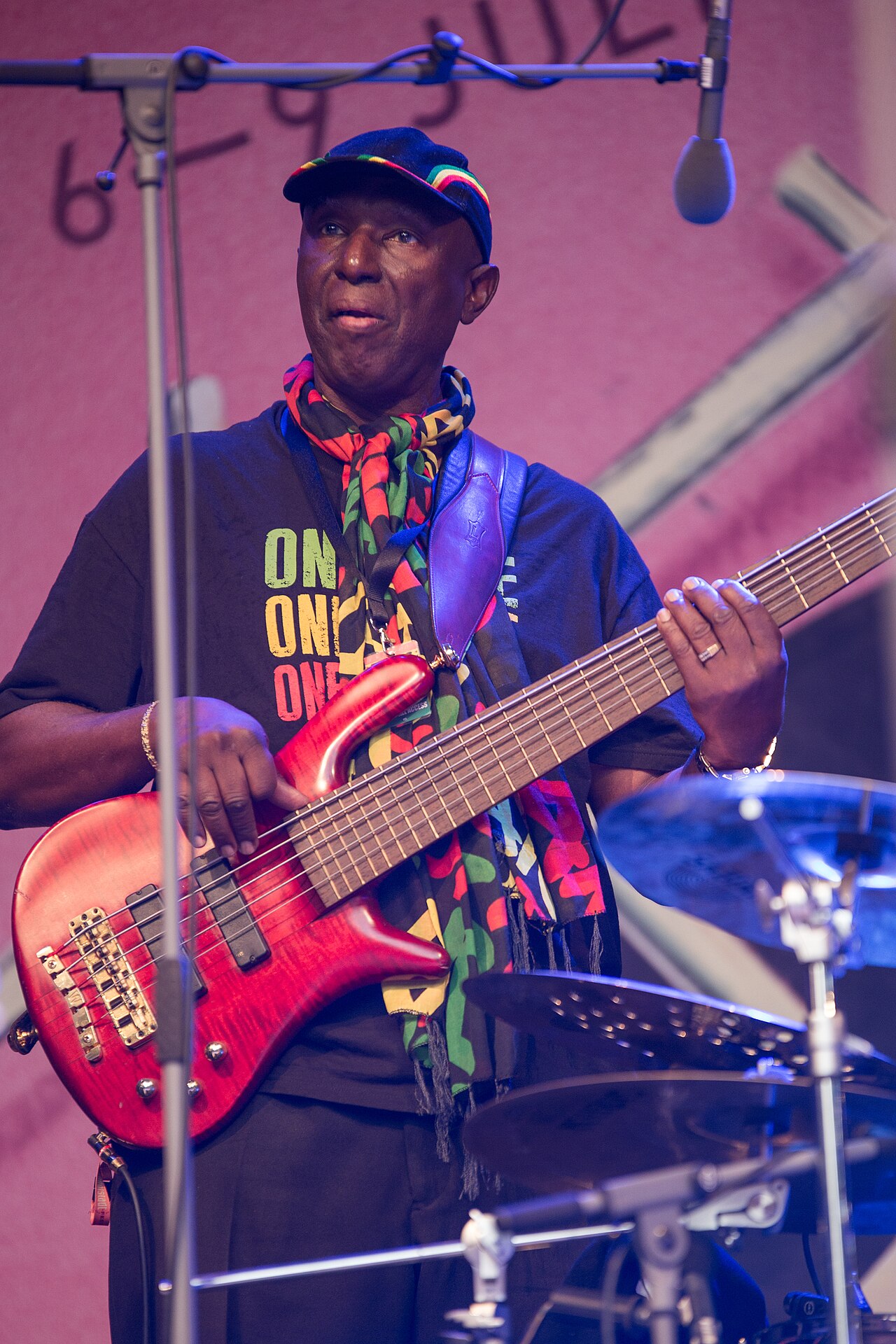
Lore & Background
Frontman Toots Hibbert (1942–2020) was considered a reggae pioneer on par with Bob Marley. Their 1968 single 'Do the Reggay' was the first song to use the word 'reggae', coining the name of the genre. The group's early recordings were incorrectly attributed to The Flames and The Vikings in the UK by Island Records.
In 1972, the group changed its name from The Maytals to Toots and the Maytals, with 'Toots' referring to frontman Toots Hibbert, and 'the Maytals' referring to the group's instrumentalists and background vocalists. The original Maytals vocal trio consisted of Hibbert, Henry 'Raleigh' Gordon, and Nathaniel 'Jerry' Mathias. After Hibbert's death, the Maytals indicated that they would continue as a working group.
Reader's Guide
The Maytals first had chart success with producer Clement 'Coxsone' Dodd at Studio One. They won the first-ever Jamaican Independence Festival Popular Song Competition in 1966 with 'Bam Bam'. Hibbert was jailed for 18 months in late 1966 for possession of marijuana. Following his release in 1967, the group worked with producer Leslie Kong, yielding hits including 'Do the Reggay' (1968).
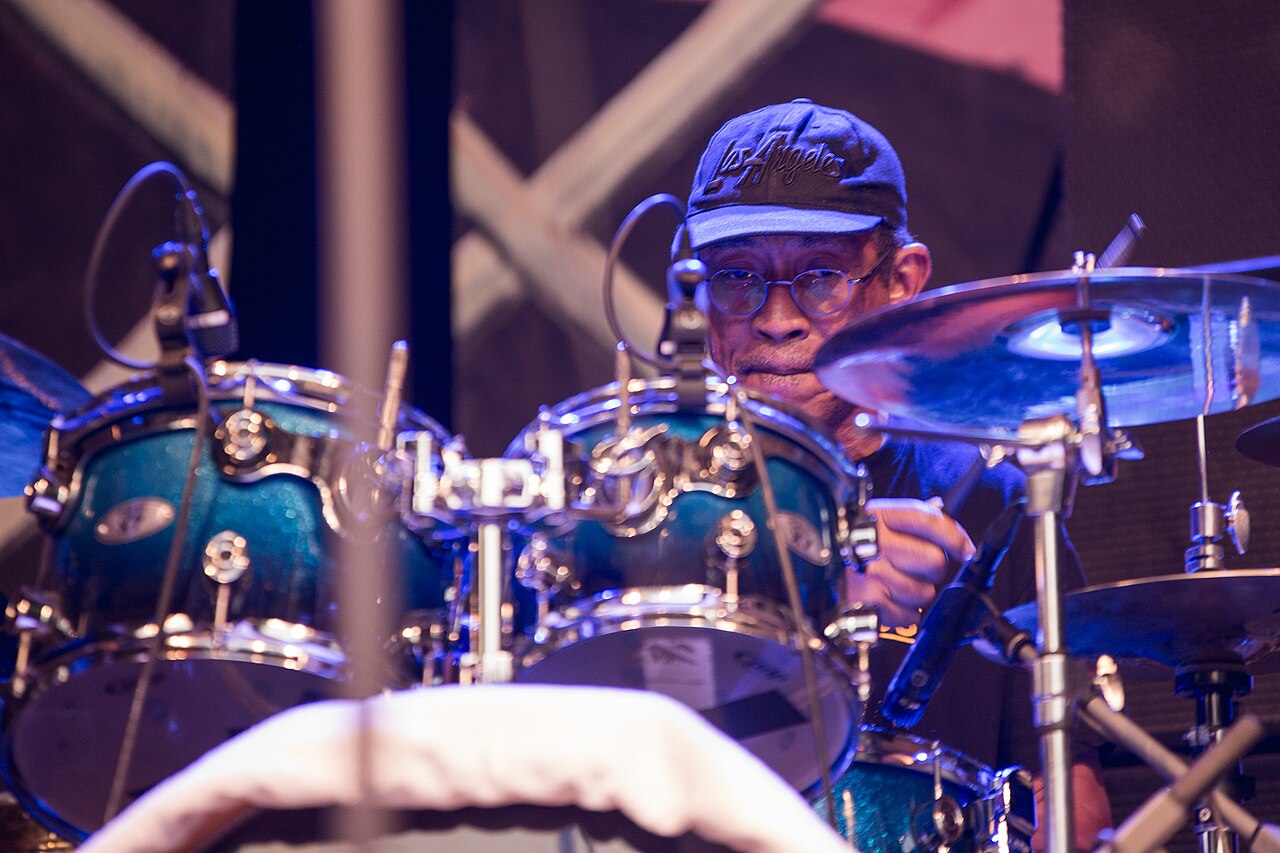
In 1971, they signed with Chris Blackwell's Island Records, who reformed the band with Toots Hibbert as frontman backed by a hand-selected group of instrumentalists dubbed The Maytals Band. The group won the Jamaican Independence Festival Popular Song Competition a third time in 1972 with 'Pomp and Pride'. They contributed two songs to the soundtrack for the 1972 film The Harder They Come.
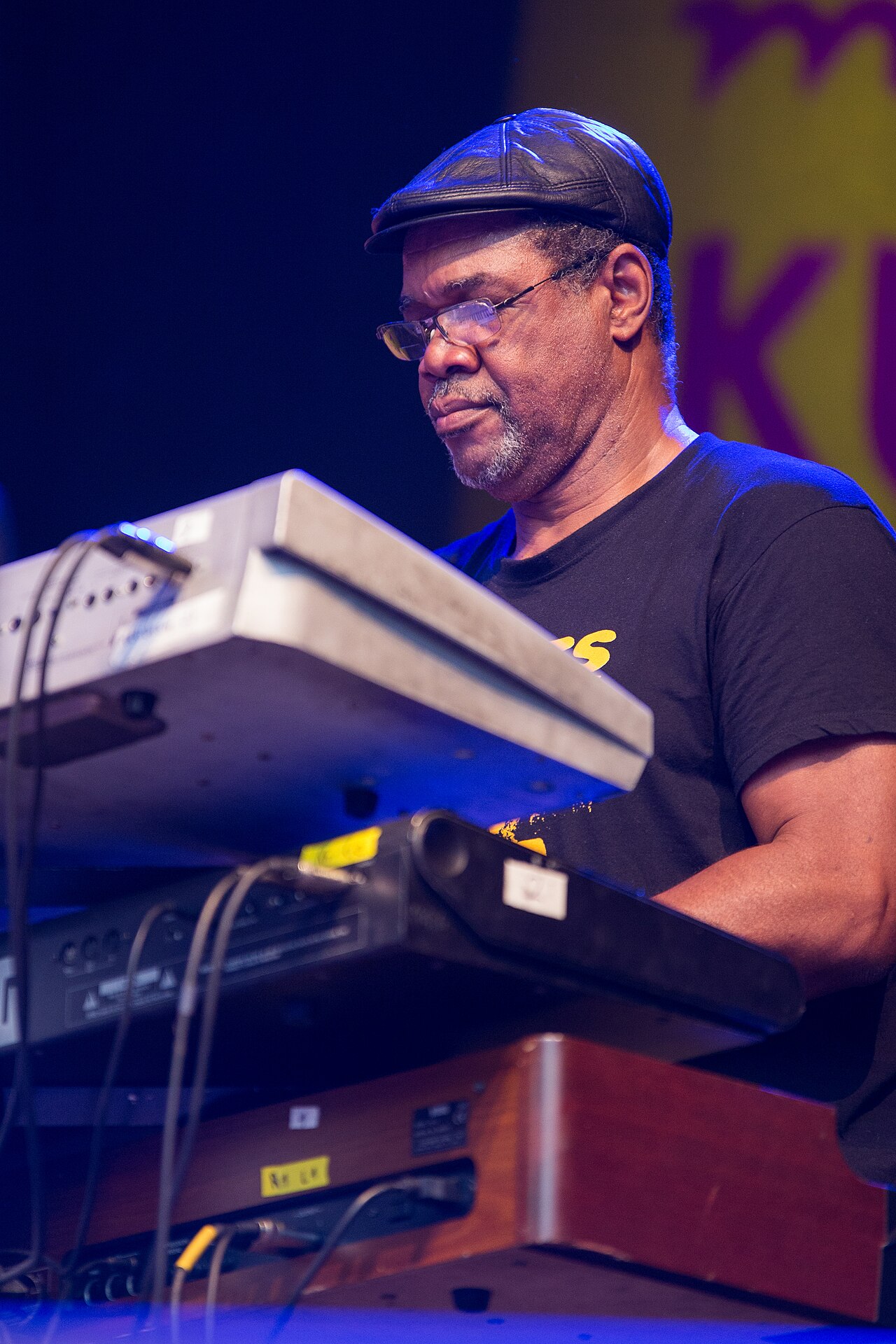
Their albums Funky Kingston (1973) and Reggae Got Soul (1975) were international hits. In 1975, the band toured with the Who, Jackson Browne, the Eagles, and Linda Ronstadt. On 1 October 1975, they were broadcast live on KMET-FM from The Roxy Theatre in Los Angeles. In 1980, they attempted to set a Guinness World Record for fastest album release with Toots Live, but the achievement was not registered due to lack of prior notification.
Did You Know?
- The group won the Jamaican Independence Festival Popular Song Competition three times: in 1966 with 'Bam Bam', and again in 1972 with 'Pomp and Pride'.
- The Clash covered the group's hit 'Pressure Drop' during the reggae punk and ska revival period in the UK.
More in World & Folk Traditions
Sources
Compiled from Wikipedia and the sources listed below. Text from Wikipedia is available under CC BY-SA 4.0; this entry is adapted from it.
- Wikipedia: Toots and the Maytals (CC BY-SA 4.0).
Spotted an error? Know more?
Reader corrections go straight into our review queue. Suggest an edit · How this site is sourced