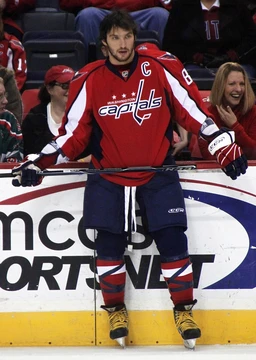
Tom Wilson (ice hockey)
Canadian right winger and enforcer for the Washington Capitals.

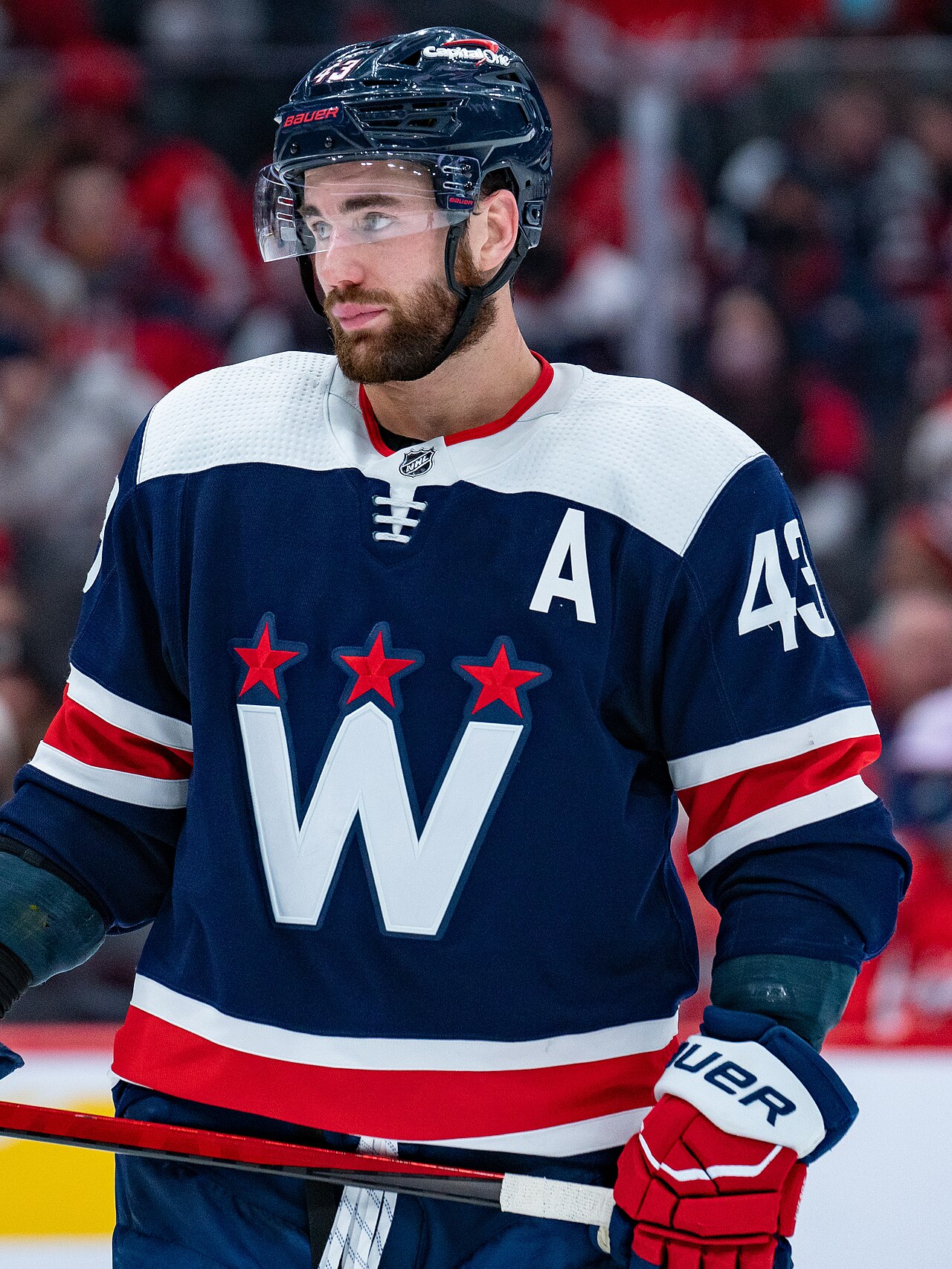
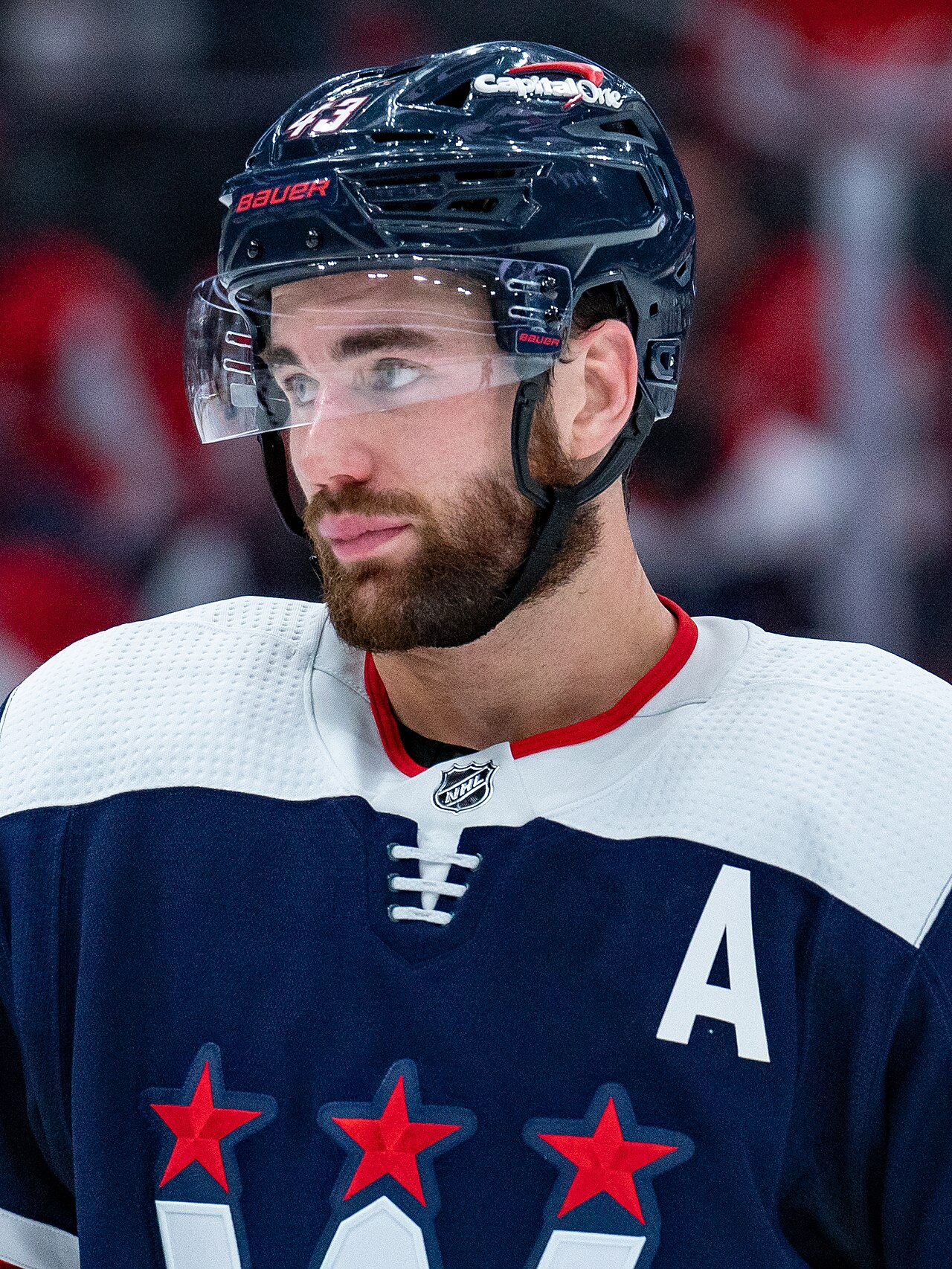
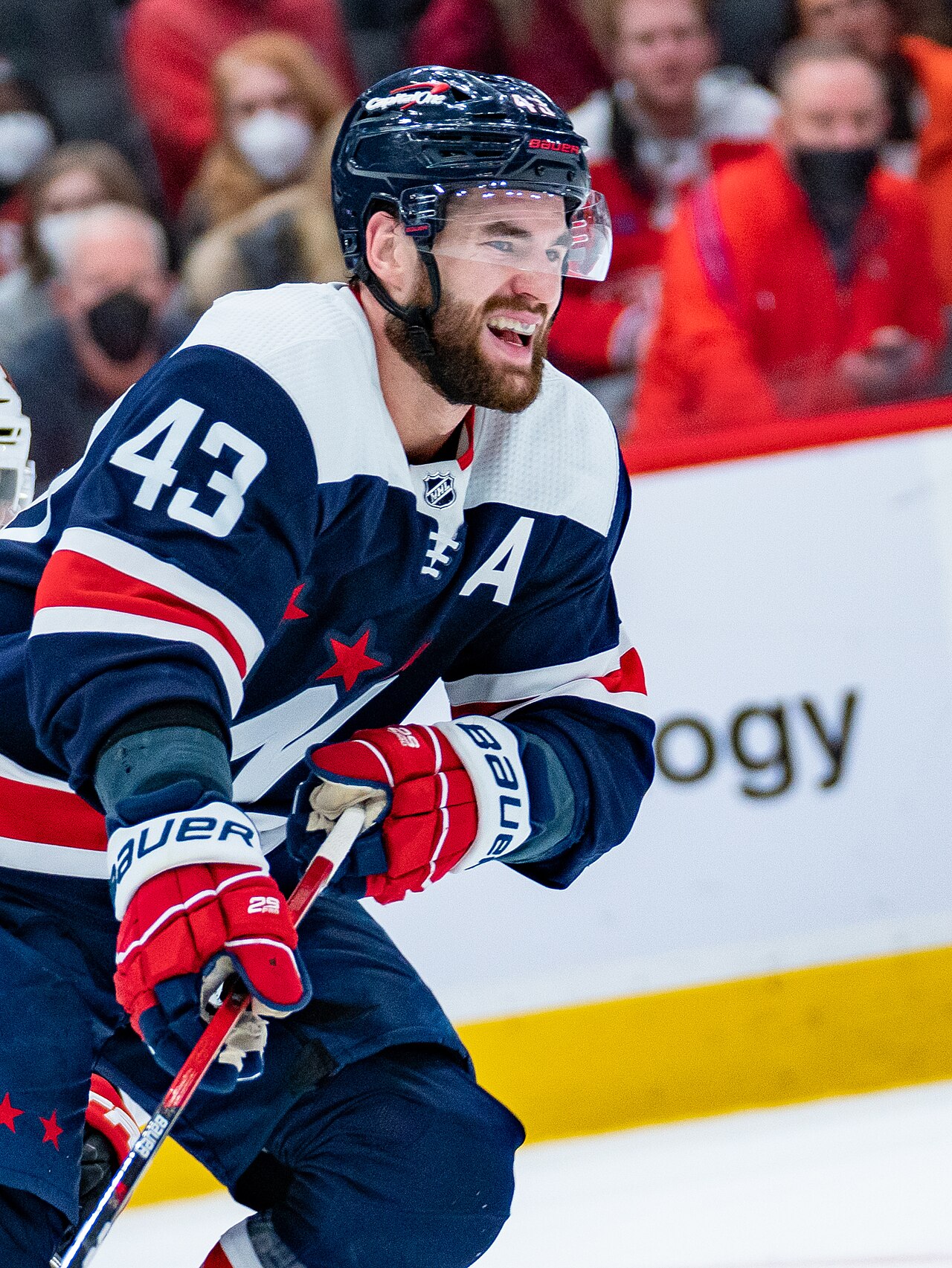
All-Pro Reels from District of Columbia, USA · CC BY-SA 2.0
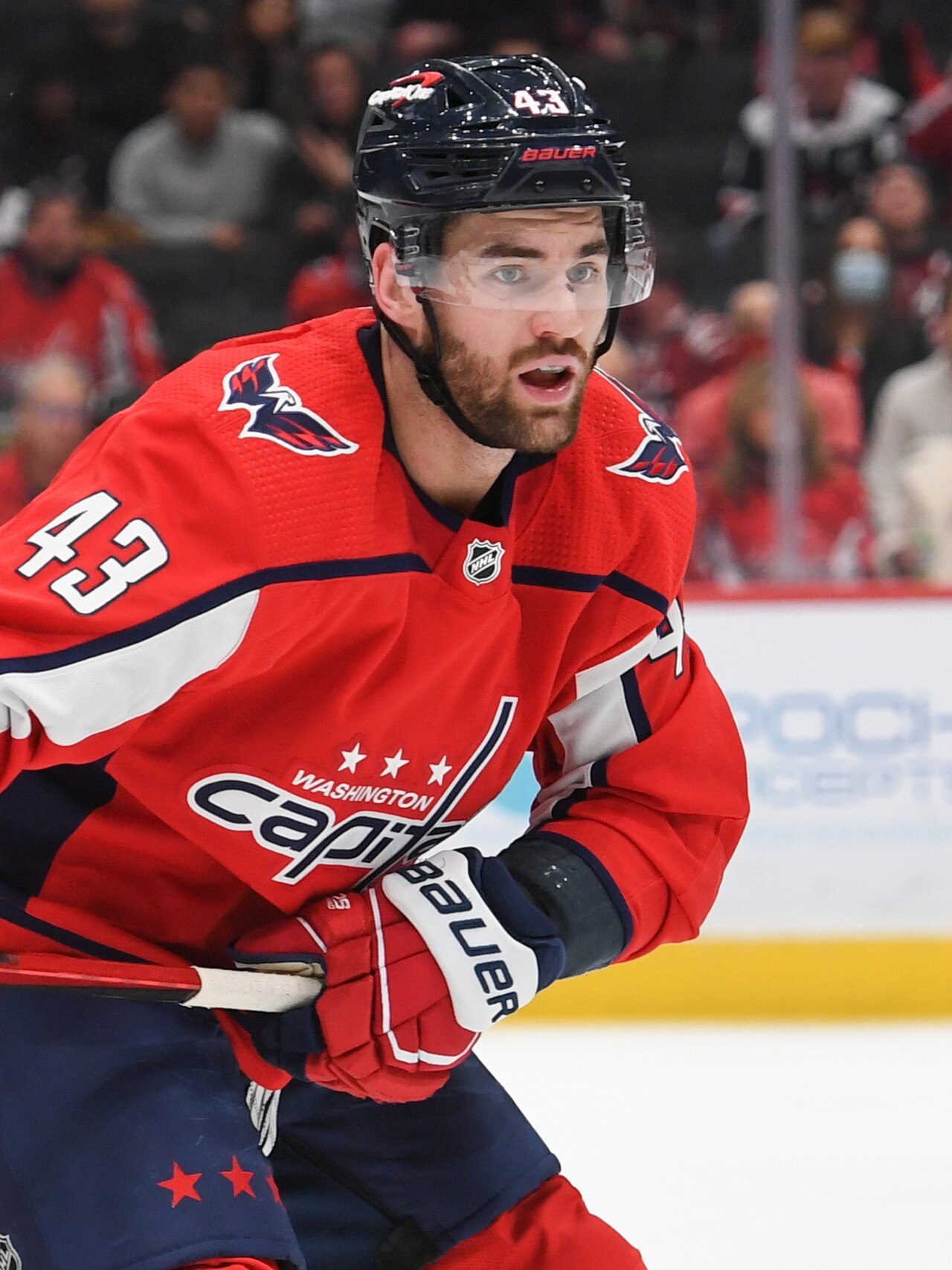
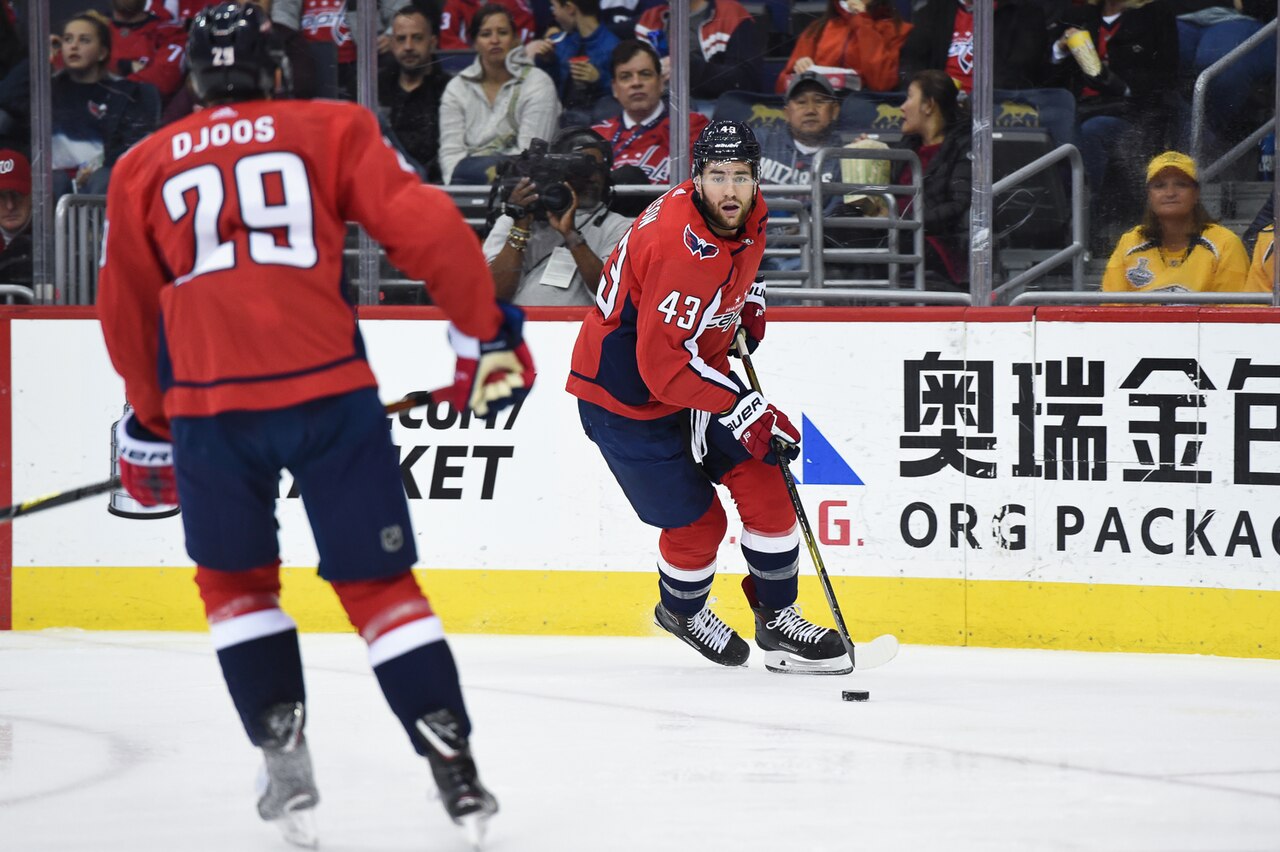
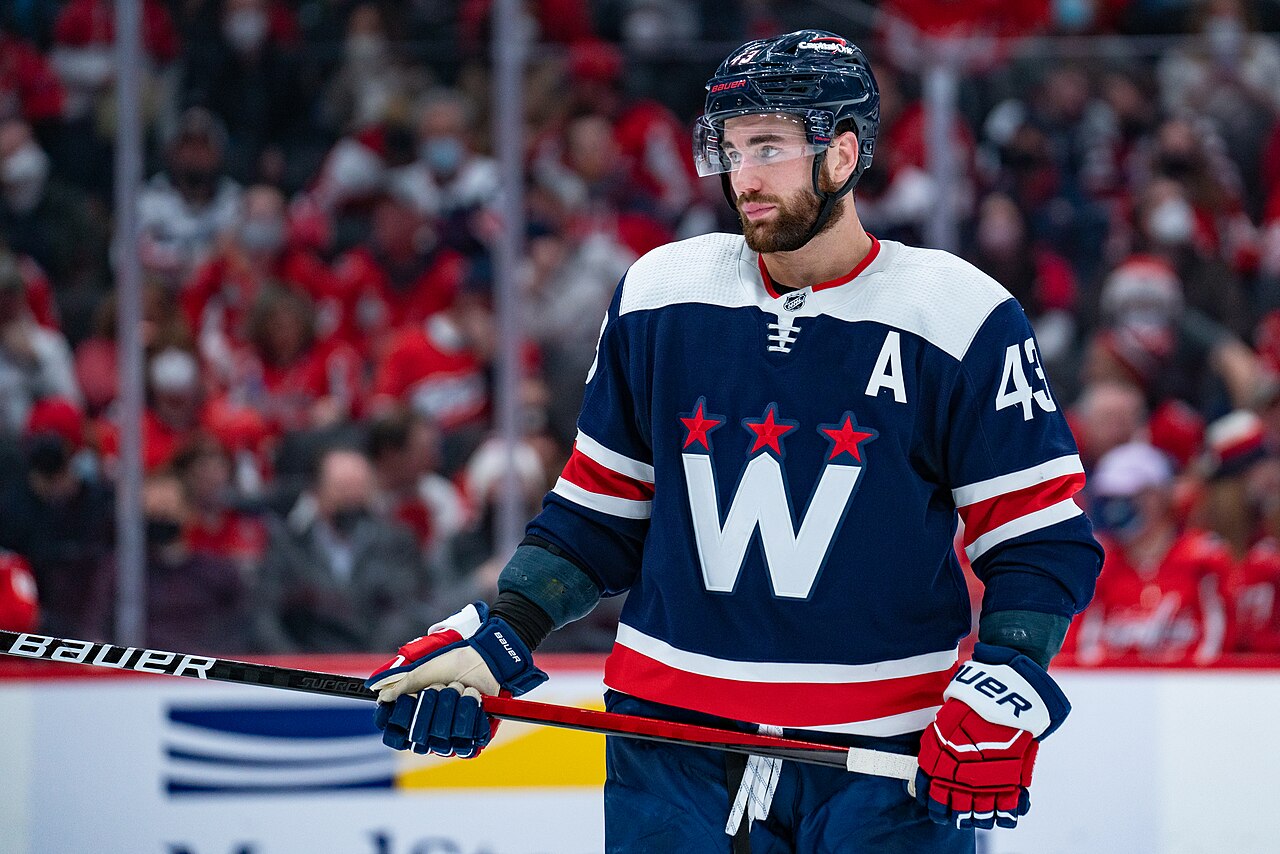
Tom Wilson, a Canadian professional ice hockey player born March 29, 1994, in Toronto, Ontario, serves as a right winger and alternate captain for the Washington Capitals in the NHL. Throughout his time in the league, he has built a reputation as both a power forward and an enforcer. The Capitals picked him 16th overall in the first round of the 2012 NHL entry draft. Wilson helped the team win the Stanley Cup in 2018.
Wilson started playing hockey at age two, after his father built a backyard rink for him and his older brother Peter. He initially played defence in minor hockey but switched to forward after one year to get more involved in the action. Growing up in Toronto, he played alongside the children of NHL veterans like Tom Fitzgerald, Shayne Corson, and Steve Thomas. Both his parents coached minor hockey at North Toronto Memorial Arena: his father Keven led competitive rep teams, while his mother Neville handled the recreational house league. After three seasons of AA hockey with North Toronto, Wilson joined the Toronto Jr. Canadiens in the Greater Toronto Hockey League (GTHL), where he scored 44 goals and 105 points in his final minor season. He also played for the Bedford Bisons in the GTHL and split time with his school team at Greenwood College School.
In the 2010 OHL Priority Selection, the Plymouth Whalers chose Wilson in the second round, 27th overall, drawn to his size—then 6 feet and 190 pounds—and physical style. While playing junior hockey, he continued his education at Plymouth High School in Michigan. His rookie 2010–11 season was cut short to 28 games after a wrist injury during an international exhibition game sidelined him for the second half. In those games, he posted three goals, three assists, and 71 penalty minutes. Injuries persisted the following season: a sprained MCL in his knee and a fractured knuckle from the CHL/NHL Top Prospects Game cost him three weeks in February. Over 49 regular-season games, Wilson recorded 27 points and 141 penalty minutes. During the J. Ross Robertson Cup playoffs, he stepped in for an injured Stefan Noesen and became a key forward, scoring seven goals and six assists in 13 games before the Kitchener Rangers eliminated Plymouth.
Heading into the 2012 NHL draft, the NHL Central Scouting Bureau ranked Wilson as the 15th-best North American skater available.
Quick Facts
- Born
- March 29, 1994
- Birthplace
- Toronto, Ontario
- Position
- Right winger
- Team
- Washington Capitals
- Role
- Alternate captain
- Draft
- First round, 16th overall, 2012 NHL entry draft
- Stanley cup
- 2018
Facts from the source article.
Lore & Background
Wilson began playing ice hockey at age two, when his father built an ice rink in their backyard. He spent one year of minor ice hockey as a defenceman before switching to forward. After playing in the Greater Toronto Hockey League, the Plymouth Whalers selected him in the second round of the 2010 OHL draft. His first two junior seasons were limited by injuries to his wrist, knee, and knuckle, but he attracted attention during the 2012 J. Ross Robertson Cup playoffs with seven goals and six assists in 13 games. After the Whalers' 2012–13 season, Wilson joined the Capitals for the 2013 Stanley Cup playoffs, playing two games against the New York Rangers.
Wilson made the Capitals' roster for the 2013–14 NHL season, serving on the fourth line as an enforcer. He missed the first part of his sophomore season with a broken fibula but continued his aggressive, physical style. As his career progressed, he received criticism for hits to opponents' heads. He was first fined for checking in 2016 and received his first suspension during the 2017 preseason. During the 2018 Stanley Cup championship, Wilson delivered a controversial hit to Zach Aston-Reese that resulted in a three-game suspension. The NHL suspended him for 20 games that October after an illegal hit to the head of Oskar Sundqvist; the suspension was appealed and reduced to 14 games. After serving it, Wilson retooled his approach, limiting hits and focusing on generating goals. During the 2018–19 season, he set career highs in goals and points. In 2021, his performance came under fire again after causing injuries to Brandon Carlo and Artemi Panarin.
Reader's Guide
Tom Wilson's career with the Washington Capitals has been defined by his dual role as a power forward and enforcer. Drafted 16th overall in 2012, he quickly established himself as a physical presence on the fourth line, accumulating high penalty minutes and participating in frequent fights. His aggressive style drew increasing scrutiny from the NHL Department of Player Safety, resulting in multiple fines and suspensions, including a 20-game suspension (reduced to 14) for an illegal hit to the head of Oskar Sundqvist. That suspension marked a turning point: Wilson retooled his approach, limiting hits and focusing on goal production, which led to career highs in goals and points in the 2018–19 season. Despite this adjustment, controversy continued in 2021 when his hits caused serious injuries to Brandon Carlo and Artemi Panarin, drawing criticism from opposing coaches. Wilson's legacy is thus one of a player who helped the Capitals win the Stanley Cup in 2018 while repeatedly testing the boundaries of physical play, earning both a reputation as a feared enforcer and a history of disciplinary action.
Did You Know?
- Wilson began playing hockey at age two on a backyard rink built by his father.
- He spent one year as a defenceman before switching to forward.
- Wilson was suspended three games during the 2018 playoffs for a hit on Zach Aston-Reese.
- He set career highs in goals and points during the 2018–19 NHL season.
Growing Up on Toronto Ice
Thomas Wilson's connection to hockey was forged in the backyard of a Toronto home, where his father Keven constructed a small rink so that young Thomas and his older brother Peter could skate together from the age of two. The family's involvement in the sport extended well beyond that backyard: both parents coached at North Toronto Memorial Arena, with Keven guiding competitive rep teams and his mother Neville working with recreational house-league players. Wilson's childhood playing partners included the sons of NHL veterans such as Tom Fitzgerald, Shayne Corson, and Steve Thomas, all neighbors in the city. Although he began as a defenceman in minor hockey, Wilson switched to forward after just one season, seeking greater involvement in offensive plays. He spent three seasons in AA minor hockey with North Toronto before moving to the Greater Toronto Hockey League, where he played for the Toronto Jr. Canadiens and the Bedford Bisons while also splitting time with his school team at Greenwood College School. In his final minor season with the Jr. Canadiens, he posted 44 goals and 105 points, signaling the physical, two-way forward the OHL would soon notice.
From Plymouth to the NHL Draft
The Plymouth Whalers of the Ontario Hockey League selected Wilson in the second round of the 2010 OHL Priority Selection, attracted by his imposing frame—six feet three inches and 190 pounds at sixteen—and his willingness to play a physical, energetic game against older teammates. He balanced hockey with coursework at Plymouth High School in Michigan. Injuries, however, repeatedly interrupted his development. A wrist problem from an international exhibition game limited his rookie year to 28 games, yielding three goals, three assists, and 71 penalty minutes. The next season brought a sprained knee ligament and a fractured knuckle suffered at the CHL/NHL Top Prospects Game, costing him three weeks in February. Across 49 regular-season games he posted 27 points and 141 penalty minutes. His breakout arrived in the 2012 J. Ross Robertson Cup playoffs, where he stepped in for the injured Stefan Noesen and produced seven goals and six assists over 13 games before Kitchener ended Plymouth's run. That showing helped the NHL Central Scouting Bureau rank him the 15th-best North American skater available. The Washington Capitals rewarded that standing by selecting him 16th overall in the 2012 NHL entry draft, and on July 18 he signed a three-year entry-level contract with the organization.
The Enforcer's Cup and the Suspension That Changed Everything
Wilson made the Capitals' roster for the 2013–14 season, anchoring the fourth line in the classic enforcer role. A broken fibula cost him the first stretch of his sophomore year, yet when he returned he continued to accumulate a high volume of penalty minutes, cementing his identity as the team's physical presence. That identity reached its zenith during the 2018 Stanley Cup playoffs. In the second round against the Pittsburgh Penguins, Wilson delivered a hard hit on Zach Aston-Reese that drew a three-game suspension, yet the Capitals still captured the championship. Just weeks later, in October 2018, the NHL handed Wilson a 20-game suspension after an illegal hit to the head of Oskar Sundqvist in a preseason game against the St. Louis Blues—his fourth suspension in 105 games. An appeal trimmed the penalty to 14 games. The suspension became a turning point. Wilson consciously retooled his approach, dialing back head-level contact and redirecting his energy toward offensive production. The results were immediate: during the 2018–19 season he set career highs in both goals and total points, proving he could be more than a penalty-minute accumulator.
A Player at the Center of the League's Physicality Debate
Throughout his tenure with Washington, Wilson has occupied a contested space in the NHL's evolving conversation about physical play. Opposing coaches and players have repeatedly criticized his hits and checks, particularly those directed at opponents' heads. His first fine for checking came in 2016, and his first suspension arrived during the 2017 preseason, foreshadowing the larger controversies to come. The 2021 season crystallized the tension. In a span of a few games, Wilson caused two serious injuries to opposing skaters: first Brandon Carlo of the Boston Bruins, then Artemi Panarin of the New York Rangers. Both incidents drew sharp condemnation from the affected teams' coaches and reignited debate over the role of the power forward and enforcer in a league that has increasingly penalized head-level contact. Wilson's career thus traces a broader arc: from a backyard rink in Toronto to a Stanley Cup champion, from a raw, injury-plagued junior to a player who publicly retooled his game after a 20-game suspension, and ultimately to a figure whose very style of play has become a flashpoint in the NHL's ongoing reckoning with physicality.
Gallery
Frequently Asked Questions
When and where was Tom Wilson (ice hockey) born?
Tom Wilson was born on 29 March 1994 in Toronto, Ontario, Canada.
What position does Tom Wilson (ice hockey) play?
Tom Wilson's position is listed as right Wing.
More in Washington Capitals Players 1-24
Spotted an error? Know more?
Reader corrections go straight into our review queue. Suggest an edit · How this site is sourced