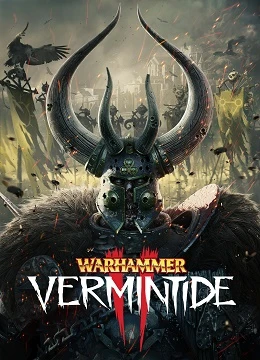
The Horn of Magnus
Wind the horn, or watch Ubersreik burn.
The Horn of Magnus is the opening campaign of Warhammer: Vermintide, a desperate plunge into the Skaven invasion of Ubersreik that forges an unlikely alliance among five mismatched survivors. It sets the stage for the city's fall, the heroes' first blood-soaked cooperation, and the discovery of an ancient Dwarfen artifact whose call may rally salvation—or seal their doom.
Quick Facts
- Role
- First campaign in Warhammer: Vermintide
- Affiliation
- The Ubersreik Five
- First appears
- Warhammer: Vermintide (2015)
- Status
- Completed in canon (Ubersreik falls, Horn is destroyed)
Lore & Background
The Horn of Magnus is an ancient Dwarfen war-horn, said to be able to rally the defenders of Ubersreik in times of dire need. Forged in the soot-choked forges of Karak Izor, it was gifted to the city centuries ago as a thunderous symbol of the alliance between Men and Dwarfs. When the Skaven horde of Clan Fester and Clan Skryre erupts from the sewers in a surprise assault, the city watch is butchered in the first wave, and the Horn becomes the last desperate gamble—a call for reinforcements that must reach the countryside before Ubersreik drowns in vermin.
Reader's Guide
The campaign begins in the streets of Ubersreik, where the heroes fight through burning buildings and Skaven ambushes. They descend into the sewers to bypass enemy lines, facing Gutter Runners and poison wind globes. Emerging near the Magnus Tower, they battle through the plaza against waves of Clanrats and a Rat Ogre. At the tower's summit, Bardin sounds the Horn—but it draws a massive Skaven counterattack. The Horn is shattered, and the heroes flee as the city is overrun. This campaign establishes the Skaven as the primary threat and sets the stage for the Drachenfels and Karak Azgaraz expansions.
Did You Know?
- The campaign was originally released as the first of three acts in the base game, with the other two following later.
- Bardin's dialogue when sounding the Horn includes a Dwarfen war chant, referencing the Horn's origins in Karak Izor.
- The destruction of the Horn in the campaign is a major divergence from the tabletop lore, where it remains intact.
More in Story & Campaign
Elsewhere in Warhammer Vermintide
Spotted an error? Know more?
Reader corrections go straight into our review queue. Suggest an edit · How this site is sourced