Capitulation of Pueblo Viejo
Agreement ending Spain's final reconquest attempt in Mexico.
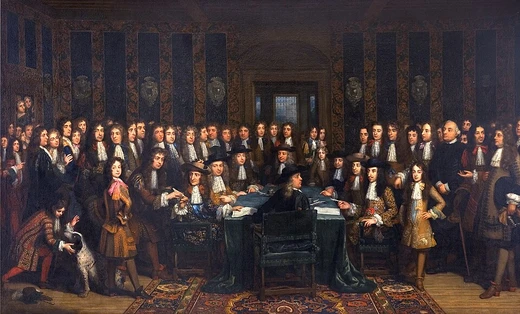
The Capitulation of Pueblo Viejo was the agreement that ended the final Spanish attempt to reconquer Mexico. Signed in 1829, it marked the definitive failure of Spain's efforts to regain control of its former colony.
Quick Facts
- Date
- September 10-11, 1829
- Location
- Pueblo Viejo, near Tampico, Tamaulipas
- Spanish commander
- General Isidro Barradas
- Spanish force
- 3,586 soldiers (Spearhead Division)
- Result
- Spanish capitulation; end of Spanish reconquest attempts
Facts from the source article.
Background
Mexico achieved independence in 1821 under the Treaty of Córdoba, but Spain refused to recognize it, arguing the viceroy lacked authority. This left the new nation vulnerable, with no European support and the constant threat of Spanish invasion. Decrees in 1822 ordered imprisonment for anyone conspiring against independence, while the strategic port of San Juan de Ulúa remained under Spanish control.
San Juan de Ulúa
Spanish reinforcements from Cuba increased the garrison to 2,000 men. Emperor Agustín de Iturbide attempted negotiations, but no agreement was reached. In 1822, Brigadier General Antonio López de Santa Anna became governor of Veracruz and pursued further talks, which became strained after Spain replaced Dávila with Brigadier General Francisco Lemaur. Mexico, lacking ships, began acquiring vessels from the United States and Britain to create a navy. Talks collapsed on September 25, 1823, when the Spanish bombarded Veracruz, displacing over 6,000 civilians. Mexico then planned a blockade of San Juan de Ulúa on October 8, 1823, with Secretary of War José Joaquín de Herrera urging Congress to acquire more warships.
Protection of the seas and ambitions in Cuba
After the fall of San Juan de Ulúa, Spain still refused to recognize Mexican independence. The government under Guadalupe Victoria feared Spain would use Cuba as a base for reconquest. Mexico hired U.S. Commodore David Porter to command its navy in attacks on Spanish shipping near Cuba. These patrols culminated in the Battle of Mariel on February 10, 1828, where Porter commanded the brig Guerrero. His son, midshipman David Dixon Porter, was slightly wounded and later imprisoned in Havana before being sent to the United States.
More in Treaties of the Spanish Empire
Spotted an error? Know more?
Reader corrections go straight into our review queue. Suggest an edit · How this site is sourced