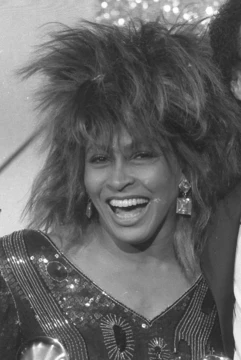
A Fool in Love
One young voice, one doo-wop hook, and the first solo name on a record.
A Fool in Love is the 1960 single that launched Tina Turner from the shadow of Ike & Tina into her own solo spotlight. Recorded when she was barely eighteen, the track is a sweet, doo-wop-tinged R&B number co-written by Tina and Ike Turner, and it became the first song credited to her name alone. Its warm, slightly naive vocal delivery and infectious hook made it an instant radio staple and cemented her as a voice worth hearing on her own terms. Decades later, the song remains a touchstone for fans who trace her career back to that very first solo moment. Whether in a 1960s studio take or a stripped-down live rendition in a sold-out arena in the 1980s or 1990s, A Fool in Love carries the emotional DNA of a young woman stepping into the microphone and owning the room.
Quick Facts
- Artist
- Ike & Tina Turner
- Album
- The Soul of Ike & Tina Turner
- B-side
- The Way You Love Me
- Released
- July 1960
- Recorded
- March 1960
- Studio
- Technisonic Studios (St. Louis, Missouri)
- Genre
- R&B
- pop
- blues
- gospel
- Length
- 2:30
Facts from the source article.
Lore & Background
In the late 1950s, the Ike & Tina Turner Kings were grinding through club dates and juke joints across the American South and Midwest. Tina, then a teenager with a voice that could cut through a smoky room, had already become the group's front-and-center presence. When the duo began writing material together, A Fool in Love emerged as something slightly different from their usual high-energy rock-and-roll set: a tender, almost confessional little number with a spoken-word hook that felt like a shy girl talking to her best friend after a bad date. The contrast made it stand out on the radio. The recording session, handled by King Records, captured Tina at a rare moment of vulnerability. Her vocal is lighter, rounder, and more youthful than the powerhouse belting she would later become famous for. The production is lean—rhythm section, a few horns, and her voice floating on top. It was not a concept album or a statement of artistic ambition; it was a song that simply worked, and the R&B audience responded immediately, propelling it to the top of the Billboard R&B chart. What gave the track its staying power was its emotional honesty. The lyrics, in their simple phrasing, describe the dizzying, slightly embarrassing feeling of being completely smitten. Listeners across genres and decades recognized that feeling, and the song became a shared cultural shorthand for young love. For Tina herself, it was the first time her name appeared alone on a label, a small but permanent marker that she was more than half of a duo.
Reader's Guide
Origin: A Fool in Love was written by Ike and Tina Turner during their touring days in the late 1950s. It was recorded for King Records and released in 1960 as Tina's first single credited under her own name. The track sits at the crossroads of doo-wop, early rock and roll, and R&B, with a spoken-word hook that gives it a conversational, almost spoken-poetry feel. Live legacy: Throughout her career, Tina returned to the song as a way to reconnect with her roots. In the 1980s Private Dancer era and again in the 1990s, she would strip the arrangement down to just her voice, a piano, and a light drum pulse, letting the audience sit in the quiet before the hook hit. The crowd reaction was typically a wave of recognition—older fans swaying, younger fans discovering the young voice for the first time. Cultural touchstone: The song endures because it captures a specific, universal feeling—being hopelessly, embarrassingly in love—and delivers it with zero pretense. For fans, hearing it is a time machine back to 1960, when an eighteen-year-old in a small studio first proved she could fill a record with just her voice and a simple melody.
Did You Know?
- A Fool in Love was the first single ever released under Tina Turner's solo name, marking the beginning of her identity as an individual artist separate from the Ike & Tina Turner pairing.
- The song's distinctive spoken-word hook gave it a conversational quality that set it apart from the harder-driving rock and roll tracks the duo typically performed live.
- Tina was approximately eighteen years old when the track was recorded, making her vocal on the song one of the youngest and most youthful-sounding recordings in her vast catalog.
- The song was written collaboratively by Ike and Tina Turner, reflecting the songwriting partnership that defined their early creative era together.
More in Songs & Singles
Elsewhere in Tina Turner
Spotted an error? Know more?
Reader corrections go straight into our review queue. Suggest an edit · How this site is sourced