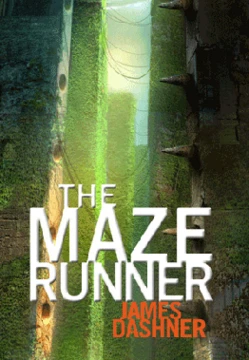
The Death Cure
Thomas faces loss and betrayal in the final Trials.

Author's official blog: [1] · via Wikipedia: The Death Cure · Fair use
The Death Cure is a 2011 young adult dystopian science fiction novel by American writer James Dashner. It is the third published book in The Maze Runner series and the fifth and last in narrative order, following The Scorch Trials and preceding the prequels The Kill Order and The Fever Code.
- Author
- James Dashner
- Published
- 11 October 2011
- Publisher
- Delacorte Press
- Genre
- Young adult dystopian science fiction
- Series position
- Third published, fifth in narrative order
Lore & Background
The novel follows Thomas after he is released from solitary confinement by Janson, the assistant director of WICKED. Thomas, Minho, and Newt refuse memory restoration surgery and escape with help from Brenda and Jorge, who are later revealed to be working for WICKED. The group travels to Denver to have their mind-control chips removed, encountering Gally and the rebel Right Arm. Newt, who is not immune to the Flare virus, succumbs to the disease and is euthanized by Thomas at his own request. Thomas later discovers that WICKED intended to use his brain for a cure, but Chancellor Ava Paige reveals enough data already exists. The novel ends with Thomas and the surviving Immunes escaping to a lush paradise via a Flat Trans, while Paige's epilogue states that the Flare was deliberately created by the government and that WICKED's true goal was to preserve humanity.
Reader's Guide
The Death Cure concludes the main narrative of The Maze Runner series, resolving the conflict between WICKED and the Immunes. It explores themes of trust, sacrifice, and the ethics of using human subjects for a cure. The novel's depiction of Newt's death and Thomas's mercy killing has been noted as a pivotal emotional moment. The epilogue reframes WICKED's actions as ultimately aimed at saving humanity, introducing ambiguity about the organization's morality. The book's release in 2011 solidified James Dashner's place in young adult dystopian fiction, and the series was later adapted into films. The novel's legacy includes its contribution to the genre's exploration of post-apocalyptic societies and the moral dilemmas of survival.
Did You Know?
- The novel was published on 11 October 2011 by Delacorte Press.
- Newt gives Thomas a note asking to be killed, which Thomas reads too late.
- Teresa dies from falling debris while saving Thomas.
Elsewhere in The Maze Runner
Spotted an error? Know more?
Reader corrections go straight into our review queue. Suggest an edit · How this site is sourced