The Amazing Spider-Man (film)
A reboot of the Spider-Man film series starring Andrew Garfield.

Tehsigo Eternamente (J Mondragon) from USA · CC BY-SA 2.0
The Amazing Spider-Man, a 2012 American superhero film, reboots the Spider-Man franchise for the big screen. Marc Webb directed it, with James Vanderbilt, Alvin Sargent, and Steve Kloves handling the screenplay based on Vanderbilt's story. The cast includes Andrew Garfield as Peter Parker / Spider-Man, along with Emma Stone, Rhys Ifans, Denis Leary, Campbell Scott, Irrfan Khan, Martin Sheen, and Sally Field. The story follows teenager Peter Parker, who gains spider-like powers after a bite and tries to balance crime-fighting as Spider-Man with a normal life.
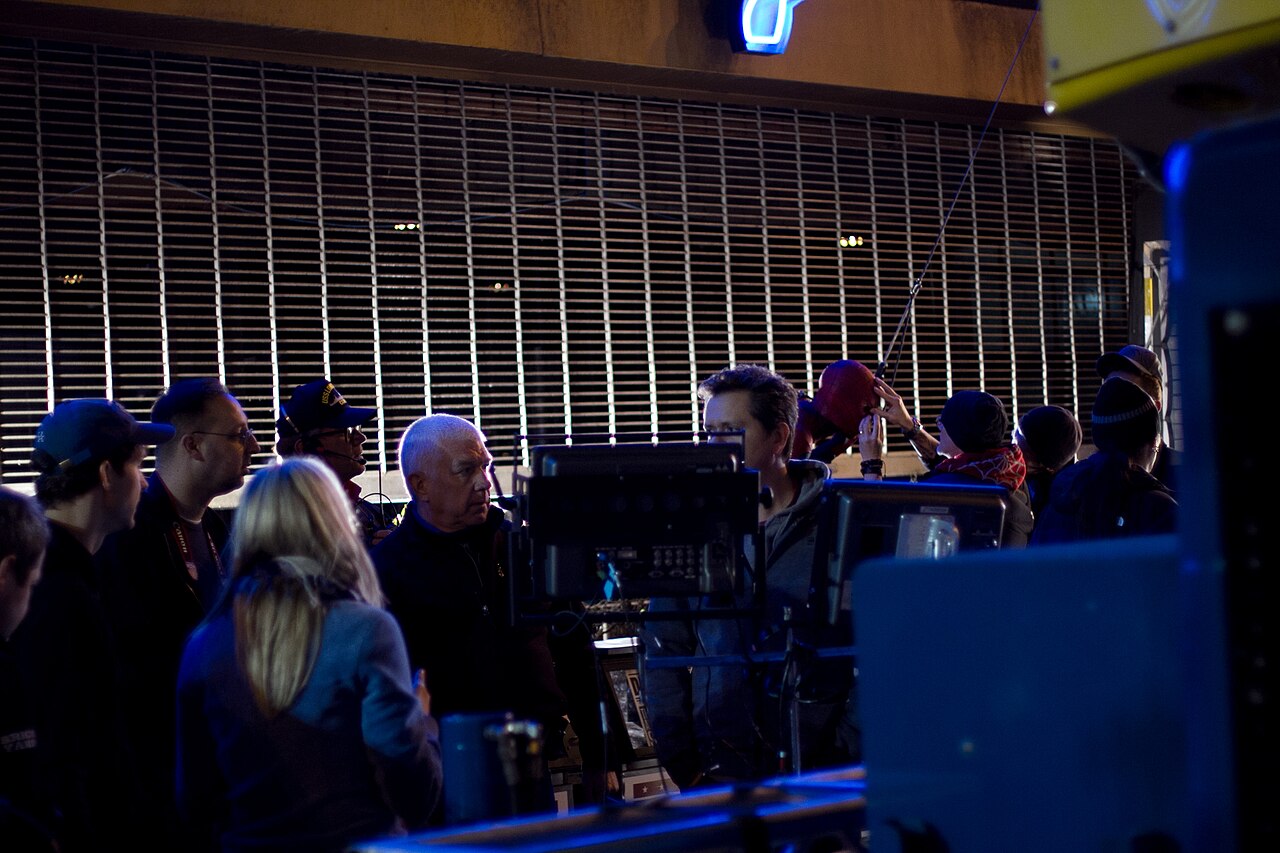
The project started in 2010 after Columbia Pictures scrapped *Spider-Man 4*, the planned fourth installment of Sam Raimi's series starring Tobey Maguire. Instead, the studio chose to restart the franchise with the same production team, keeping Vanderbilt to write and bringing in Sargent and Kloves for script revisions. Filming took place in Los Angeles and New York City from December 2010 to May 2011 using RED Epic cameras. 3ality Technica handled 3D processing, and Sony Pictures Imageworks created the CGI effects. This was Sargent's last film credit before his death in 2019, though his final film work was on the 2014 sequel, The Amazing Spider-Man 2.
Sony promoted the film with viral marketing and tie-ins like a video game from Beenox and Activision. *The Amazing Spider-Man* premiered in Tokyo on June 13, 2012, and hit U.S. theaters on July 3 in 2D, 3D, IMAX 3D, and 4DX through Sony Pictures Releasing under Columbia Pictures. Critics gave it generally positive reviews, and it earned $758.7 million worldwide, ranking as the seventh-highest-grossing film of 2012. A sequel, *The Amazing Spider-Man 2*, came out in 2014. In 2021, Garfield and Ifans returned as their characters in the Marvel Cinematic Universe film *Spider-Man: No Way Home*, which used the multiverse to connect the Spider-Man films directed by Jon Watts, Webb, and Raimi.
**Plot**
Scientist Richard Parker and his wife Mary flee their home after a burglary, leaving young Peter with Aunt May and Uncle Ben. Years later, teenage Peter attends Midtown Science High School in New York City. He's bright but shy and gets picked on. He has a crush on Gwen Stacy, who likes him back. Finding his father's briefcase, Peter learns from Ben that Richard was friends with Dr. Curt Connors, an Oscorp scientist working on cross-species genetics. Hoping to und
- Release date
- July 3, 2012 (United States)
- Director
- Marc Webb
- Writers
- James Vanderbilt, Alvin Sargent, Steve Kloves
- Starring
- Andrew Garfield, Emma Stone, Rhys Ifans, Denis Leary, Campbell Scott, Irrfan Khan, Martin Sheen, Sally Field
- Box office
- $758.7 million worldwide
- Runtime
- Not specified in article
Lore & Background
Development of the film began in 2010 following the cancellation of Spider-Man 4, which would have been the fourth film in Sam Raimi's Spider-Man series starring Tobey Maguire. Columbia Pictures opted to reboot the franchise with the same production team, with Vanderbilt staying on to write, and Sargent and Kloves assisting with the script. Using the RED Epic camera, principal photography occurred in Los Angeles and New York City between December 2010 and May 2011. 3ality Technica provided 3D image processing, while Sony Pictures Imageworks handled CGI effects. It was the last film written by Sargent before his death in 2019, though his final film credit was The Amazing Spider-Man 2 (2014).
The plot follows teenager Peter Parker, who gains spider-like abilities after being
Reader's Guide
The Amazing Spider-Man represents a significant shift in the Spider-Man film franchise, rebooting the series after the cancellation of Sam Raimi's planned Spider-Man 4. Directed by Marc Webb, known for 500 Days of Summer, the film introduced Andrew Garfield as a new Peter Parker and Emma Stone as Gwen Stacy. Its production marked the use of the RED Epic camera and extensive CGI by Sony Pictures Imageworks. The film's legacy includes spawning a sequel, The Amazing Spider-Man 2 (2014), and later connecting to the Marvel Cinematic Universe through Spider-Man: No Way Home (2021), in which Garfield and Rhys Ifans reprised their roles. The film also features a cameo by Spider-Man co-creator Stan Lee and a brief end-credits scene with Michael Massee. It was the final film written by Alvin Sargent before his death in 2019.
Did You Know?
- The film was the last written by Alvin Sargent before his death in 2019.
- Andrew Garfield and Rhys Ifans reprised their roles in the 2021 Marvel Cinematic Universe film Spider-Man: No Way Home.
- Principal photography used the RED Epic camera and took place in Los Angeles and New York City from December 2010 to May 2011.
- Spider-Man co-creator Stan Lee appears as a school librarian in a cameo.
Rebooting the Franchise
The Amazing Spider-Man emerged from the ashes of a shelved project. After Spider-Man 4 in Sam Raimi's trilogy was cancelled, Columbia Pictures elected to restart the franchise entirely rather than continue the existing run. The production team carried forward from the earlier films: James Vanderbilt retained his writing role, while Alvin Sargent and Steve Kloves joined to shape the screenplay. Marc Webb stepped in as director. Principal photography ran from December 2010 through May 2011, split between Los Angeles and New York City, captured on RED Epic cameras. 3ality Technica handled the 3D image processing, and Sony Pictures Imageworks built out the CGI effects. One poignant footnote lingers: this turned out to be the final screenplay Sargent would complete before his passing in 2019. The film ultimately premiered in Tokyo on June 13, 2012, before hitting U.S. screens on July 3 in 2D, 3D, IMAX 3D, and 4DX formats, distributed by Sony Pictures Releasing under the Columbia Pictures banner.
Peter's Journey from Awkward Teen to Hero
The narrative tracks a socially awkward, sharp-minded teenager at Midtown Science High School who endures daily bullying and harbors a mutual crush on classmate Gwen Stacy. His transformation ignites when he uncovers his missing father's briefcase and traces a connection to Oscorp's cross-species genetics lab. Sneaking into a restricted area, he is bitten by a genetically modified spider, unlocking superhuman strength, agility, speed, and the ability to cling to surfaces. The emotional catalyst for his heroism arrives when Uncle Ben is killed by a thief during a search for Peter. Driven by guilt, Peter constructs a mask with yellow-tinted lenses and a spandex suit, builds mechanical web-shooters from Oscorp's web formula, and adopts the Spider-Man identity. His double life collides with the personal when he discovers Gwen's father is Captain George Stacy, a police officer who actively hunts Spider-Man. The climax pits him against Dr. Curt Connors, who has transformed into a reptilian monster and plans to release a biochemical agent that would turn the city's population into hybrid creatures. Peter disperses an antidote while Stacy holds Connors at bay, ultimately sacrificing himself.
The Ensemble Cast
Andrew Garfield anchors the film as Peter Parker, a highly intelligent but introverted teenager whose life is upended by a spider bite. Emma Stone brings energy as Gwen Stacy, Peter's classmate and love interest who also interns at Oscorp. Rhys Ifans delivers a dual performance as Dr. Curt Connors, a limb-regeneration researcher whose desperate self-experimentation transforms him into the Lizard. Denis Leary plays Captain George Stacy, Gwen's father and a Spider-Man antagonist who distrusts the masked vigilante. The supporting cast rounds out the family and corporate worlds: Martin Sheen as Uncle Ben, Sally Field as Aunt May, Campbell Scott as the enigmatic Richard Parker, and Irrfan Khan as Oscorp executive Rajit Ratha, whose pressure to rush human trials sets the villain's transformation in motion. Chris Zylka appears as the school bully Flash Thompson, while Max Charles portrays a younger version of Peter. The interplay between Peter's domestic warmth and Oscorp's corporate coldness gives the ensemble a clear emotional axis to work within.
Box Office, Reviews, and Lasting Legacy
Critics responded generally positively to the film, and audiences rewarded it with strong ticket sales. The Amazing Spider-Man collected $758.7 million worldwide, landing it as the seventh-highest-grossing film of 2012. Sony Pictures Entertainment amplified its reach through a viral marketing campaign and a tie-in video game developed by Beenox and published by Activision. The commercial success green-lit a sequel, The Amazing Spider-Man 2, which arrived in 2014. The film's most remarkable legacy, however, arrived years later. In 2021, Garfield and Ifans returned to their roles in Spider-Man: No Way Home, the Marvel Cinematic Universe entry directed by Jon Watts. That film wove the multiverse concept into its narrative, explicitly linking the Watts-directed Spider-Man trilogy to both Webb's and Raimi's earlier films. This crossover validated the 2012 reboot not merely as a standalone entry but as a permanent thread in the broader Spider-Man cinematic tapestry, granting Garfield's performance a second life on the global stage.
Gallery




Frequently Asked Questions
Who plays Spider-Man in The Amazing Spider-Man (2012)?
Andrew Garfield stars as Peter Parker in this Marc Webb–directed reboot, with Emma Stone alongside him as Gwen Stacy. The supporting cast includes Rhys Ifans, Denis Leary, and Martin Sheen.
What powers does Peter Parker gain in this film?
A radioactive spider bite gives Peter superhuman strength, wall-crawling agility, and a precognitive spider-sense. He must juggle using those abilities to stop criminals while still trying to live a regular high-school life.
Who is the main villain in The Amazing Spider-Man (2012)?
Rhys Ifans portrays Curt Connors, a scientist whose botched regeneration experiment transforms him into the Lizard. He becomes the central antagonist Peter must stop before the creature destroys New York.
How does the story end in The Amazing Spider-Man (2012)?
Peter defeats the Lizard in a climactic battle and saves the city. The film closes with Peter and Gwen going on a date, leaving their relationship open-ended and setting the stage for a sequel.
Why is The Amazing Spider-Man (2012) important to the Spider-Man film legacy?
It fully rebooted the live-action Spider-Man franchise for a new generation after the Sam Raimi trilogy, earning over $758 million at the global box office. It also opened the door to a 2014 sequel before Sony eventually folded the character into the MCU.
More in Teen superhero films 1-22
Spotted an error? Know more?
This is a living reference — every entry is fact-audited, and reader corrections feed straight into our audit queue. Suggest an edit · See this site's audit record