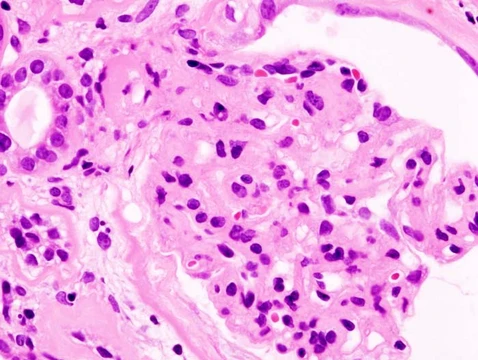
Congenital nephrotic syndrome
Rare infant kidney disease with protein loss, swelling, and genetic causes.
Congenital nephrotic syndrome is a rare kidney disorder that appears within the first three months of life. It is marked by substantial protein in the urine, low blood protein levels, and swelling. The condition primarily results from genetic mutations that damage the glomerular filtration barrier, allowing plasma proteins to leak into the urine.
Quick Facts
- Most common genetic cause
- NPHS1 mutations (40-80% of cases)
Facts from the source article.
Did You Know?
- Infants may be born prematurely with low birth weight and have meconium-stained amniotic fluid or a large placenta.
- Urinary loss of immunoglobulins leads to frequent, severe infections.
- Poor bone health is associated with vitamin D deficiency from urinary loss of vitamin D binding protein.
Causes
Mutations in five genes account for over 80% of genetic causes. NPHS1 encodes nephrin; its mutations cause severe protein loss within days to weeks of life and are the most common primary cause, representing 40-80% of cases. NPHS2 encodes podocin; patients develop nephrotic syndrome in early infancy but may also present later, with less severe protein loss than the Finnish type. Both nephrin and podocin are critical for podocyte slit diaphragm structure, and disease is usually limited to the kidneys. WT1 is a Wilms' tumor suppressor gene; its mutations lead to syndromes such as Denys-Drash, Frasier, and WAGR, and can cause isolated infant nephrotic syndrome with risks of tumors and genital abnormalities. LAMB2 encodes laminin β2, which attaches podocytes to the glomerular basement membrane; mutations cause Pierson syndrome, featuring eye abnormalities and neurologic deficits. PLCε1 codes for phospholipase Cε1 expressed in podocytes. Congenital infections (syphilis, cytomegalovirus, toxoplasmosis, rubella, HIV, malaria, hepatitis B) and maternal systemic lupus erythematosus are also causes.
Diagnosis
Examination reveals massive fluid retention, generalized swelling, and abnormal heart and lung sounds; blood pressure may be elevated, and signs of malnutrition may appear. Urinalysis shows large protein amounts and sometimes small blood amounts. Kidney function may be normal initially. Laboratory findings include low serum albumin and immunoglobulins, elevated triglycerides and cholesterol, and possible thyroid and vitamin D deficiency. Ultrasound may show enlarged, hyperechoic kidneys. Prenatal screening can detect elevated alpha-fetoprotein in amniotic fluid. Kidney biopsy findings vary from minimal change nephropathy to focal segmental glomerulosclerosis or diffuse mesangial sclerosis; electron microscopy reveals podocyte disruption. Genetic analysis and infectious workup determine the precise cause.
Treatment
Genetic forms are typically resistant to steroids and immunosuppressants. Therapy aims to control protein loss and swelling, ensure nutrition, and prevent complications. Severe protein loss requires albumin infusions and diuretics; mild to moderate loss is managed with ACE inhibitors and NSAIDs like indomethacin. Kidney removal (unilateral or bilateral) reduces protein loss and need for albumin infusions; infants with WT1 mutations undergo bilateral nephrectomy to prevent Wilms' tumor. Antibiotics control infections; immunizations are given after nephrectomy but before transplant. Supplements include iron, potassium chloride, thyroxine, and vitamins. Anticoagulants (aspirin, dipyridamole, warfarin) prevent clots. Dietary modifications involve sodium restriction, high-calorie and high-protein intake, and fluid restriction; many children require a feeding tube. Infectious causes may improve with antibiotics or antivirals; genetic causes progress to end-stage renal disease, requiring dialysis and kidney transplant.
Prognosis
Early diagnosis and aggressive treatment can control the disorder, but affected children typically develop end-stage renal disease within the first years of life, needing dialysis and kidney transplant. Most children live fairly normal lives post-transplant, though they spend significant time hospitalized and undergo numerous surgeries before transplant. Kidney transplant outcomes are similar to those of other patient groups; nephrotic syndrome rarely recurs, except in some NPHS1 patients who develop anti-nephrin antibodies. Protein loss can cause reduced muscle tone and delays in physical milestones, as well as growth delays; many experience growth spurts after transplant. Physical therapy may help. Undiagnosed cases are often fatal in the first year due to blood clots, infections, or other complications.
More in Syndromes Affecting the Kidneys
Spotted an error? Know more?
Reader corrections go straight into our review queue. Suggest an edit · How this site is sourced