Williams Arcade's Greatest Hits
A compilation of classic Williams arcade games from the golden age.
Williams Arcade's Greatest Hits is a compilation of early arcade games from Williams Electronics, developed by Digital Eclipse using a compiler that emulated the original arcade hardware. It includes titles such as Defender, Joust, and Robotron: 2084, along with historical information and developer interviews on certain platforms. The collection was ported to multiple home consoles and computers, with some versions omitting Bubbles and the bonus content.
Quick Facts
- Developer
- Digital Eclipse
- Platforms
- MS-DOS
- Windows
- Macintosh
- PlayStation
- Sega Genesis
- Super NES
- Sega Saturn
- Game.com
- Dreamcast
- Modes
- Single-player
Facts from the source article.
Did You Know?
- Video game historians Henry Lowood and Raiford Guins attributed a resurgence of retrogaming via emulation in part to Digital Eclipse's work on Williams Arcade Classics.
- Midway later released a Game Boy Advance version of Midway's Greatest Arcade Hits in 2002, developed by Pocket Studios, featuring only Joust, Defender, Robotron 2084, and Sinistar.
Overview
The compilation presents a selection of action games from Williams Electronics' early catalog, chosen from a selection screen. The anthology includes Defender, a horizontally scrolling shooter from 1981 where players protect astronauts from alien waves; its 1981 sequel Defender II (also known as Stargate); Joust, a 1982 cooperative action game featuring knights on large birds; Robotron: 2084, a 1982 multidirectional shooter set in a future where robots revolt; Sinistar, a 1983 multidirectional shooter against a giant spacecraft; and Bubbles, a 1983 action game about cleaning a kitchen sink. Bubbles and the background information, including old promotional materials and developer interviews, appear only on home computer, PlayStation, Saturn, and Dreamcast versions.
Development
Digital Eclipse developed Williams Arcade Classics for home computers, with Andrew Ayre as producer and Brian Johnson as product manager. Williams' marketing director John Fowler aimed to appeal to adults who had played the games as children, while vice president Mike Rubinelli saw an opportunity to introduce the classics to new players. The team obtained the original arcade source code and chose to emulate the arcade hardware to preserve subtleties and even unintentional software bugs. Lead programmer Jeff Vavasour created a compiler that emulated the entire chipset, including the Motorola 6809 microprocessor. The emulation allowed fullscreen play without speed issues, though adjustments were needed for the arcade monitor's unused overscan area.
Console ports
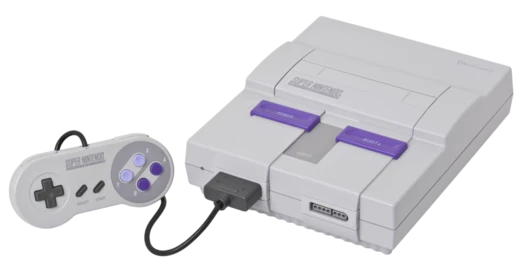
After the home computer release, the anthology was ported to consoles starting with the PlayStation in 1996, with Ayre and Johnson returning as executive producer and product manager. George and Peter Phillips handled programming, while Vavasour became assistant producer. The PlayStation version includes a hidden CD audio track with sounds from Mortal Kombat 3. Sega Genesis and Super Nintendo Entertainment System versions followed in 1996. For the SNES, Vavasour converted Defender, Defender II, Joust, and Robotron, while Christopher Burke converted Sinistar and programmed new features. John Kowalski converted the arcade audio by writing a translator program to match the original sound frequency for the SNES audio subsystem. Nintendo Power promoted the game, highlighting the reproduction quality and reduced price due to the Game Pak's smaller memory.
Reception
Williams Arcade's Greatest Hits received mixed reception, with earlier computer and PlayStation releases generally well received and the Dreamcast version criticized more. Reviewers for Next Generation praised the PC version's arcade-perfect conversions and retention of software bugs, noting the historical importance and bonus multimedia material, though the Macintosh version scored slightly lower. PlayStation critics from Electronic Gaming Monthly, GamePro, and Maximum praised the arcade-perfect emulation and strong game selection, calling most titles classics that remain fun, though one critic found the original sounds scratchy and irritating. Tommy Glide of GamePro called it a true collectible for retro enthusiasts but noted younger players might be put off, and considered Bubbles unique but mundane. Maximum's reviewer praised the replay value and challenge of all games except Bubbles. IGN echoed statements about emulation quality and appeal to older fans versus unfamiliar players.
More in Super Nintendo Entertainment System Game Library
Spotted an error? Know more?
Reader corrections go straight into our review queue. Suggest an edit · How this site is sourced