Phantom 2040 (video game)
A metroidvania based on the Phantom 2040 animated series.
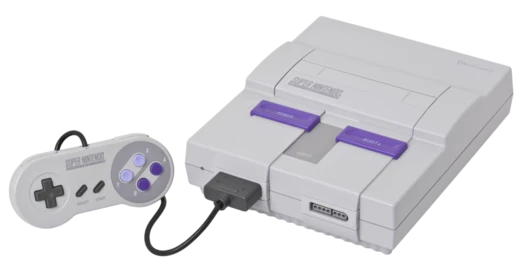
Phantom 2040 is a 1995 action-adventure platformer from Viacom New Media, released on the Genesis, Super NES, and Game Gear. It draws from the animated series Phantom 2040 but tells a story not featured in the show. Its gameplay, often called metroidvania, resembles the Metroid and Castlevania series.
Quick Facts
- Developer
- Viacom New Media Chicago Team (SNES/Genesis); Unexpected Development (Game Gear)
- Publisher
- Viacom New Media
- Programmer
- Paul Hellier; Patrick Costello
- Producer
- Jeff Trautman
- Composer
- Burke Treischmann; Matt Scott
- Designer
- Brian Babendererde; Jeff Troutman
- Released
- June 1995 (NA); October 1995 (EU)
- Genre
- Action-adventure
Facts from the source article.
Did You Know?
- In the NTSC version, players can choose between cinematic story presentation or a short point-list summary; the PAL version offers only the summarized story but allows language selection.
- The game's story line is presented differently in the NTSC and PAL versions.
- The Phantom's role has been passed from father to son for 500 years.
Gameplay
Phantom 2040 is primarily a side-scrolling action game with a strong emphasis on exploration. The player must locate each area's objective or exit, and optional areas contain restoration kits or weapon upgrades. Some areas are blocked by numbered gates that require destroying a corresponding remote lock elsewhere in the area; certain locks are reachable only via a secret underground sewer network connecting all areas. Objectives may involve finding a keycard, defeating a boss, or accessing the next area. Most areas can be revisited at any time after being unlocked. At several points, the player directly chooses between two paths that later reconvene. These choices affect the ending, which is assembled from over 20 different scenes; only one ending is considered successful, while others result in negative outcomes for Metropia and display a "Try Again" message.
Plot
The backstory of Phantom 2040 matches that of the television series, but the game does not enact any specific episode; instead, it borrows elements from various episodes concerning the Phantom's mission to stop Maximum, Inc. from dominating Metropia. In the year 2040, environmental disasters and the Resource Wars have devastated Earth's ecological balance. Wealth polarization and the development of humanoid robotic biots (Biological Optical Transputer Systems) have left most people scavenging in undercity slums while a wealthy minority lives in skyscrapers. The megalopolis Metropia, a reformed New York City, is the world's most powerful city-state and houses the headquarters of Maximum Inc., which mass-produces biots and influences corrupted leaders. Maximum's chairperson, Rebecca Madison, driven by revenge for her husband Maxwell Madison Sr.'s death—which she blames on the Phantom—plans to build an impenetrable fortress called Cyberville for the elite. Her hidden underground biot factories illegally construct a personal army to guarantee the world's collapse so she can take control through Cyberville. In the Ghost Jungle, a hidden stretch of jungle within Metropia's ruins, Kit Walker learns he is the 24th Phantom, sworn to fight piracy, greed, and violence. His father died with Maxwell Madison Sr. in a toxic train wreck, and Kit must stop Rebecca Madison's plans for worldwide domination.
Reception
Electronic Gaming Monthly gave the Super NES version a score of 6.875 out of 10. Three of their four reviewers reacted positively overall, but criticized the constant spawning of robot enemies and lack of originality. They found the walking animation for the title character lacking, though they assessed the graphics as very good and praised the cinematics and non-linear quest. Atomic Dawg of GamePro, while noting the high difficulty suits only hardcore gamers, called it a rip-roaring action/adventure game with fast side-scrolling beat-em-up action, multiple selectable weapons, and hordes of enemies. He praised the controls, graphics, and multiple endings, and gave the Genesis version equal enthusiasm, citing lengthy replay value. Bro' Buzz of GamePro gave a mixed assessment of the Game Gear version, stating the gameplay is strong with slick moves, but the audio and graphics pale compared to the console versions, making it easy to lose track of the Phantom and enemies against backgrounds.
More in Super Nintendo Entertainment System Game Library
Spotted an error? Know more?
Reader corrections go straight into our review queue. Suggest an edit · How this site is sourced