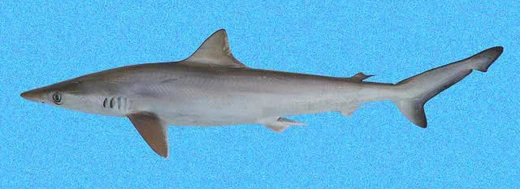
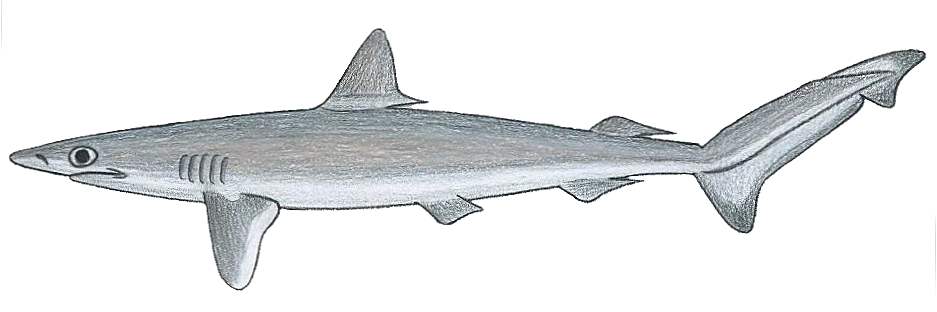
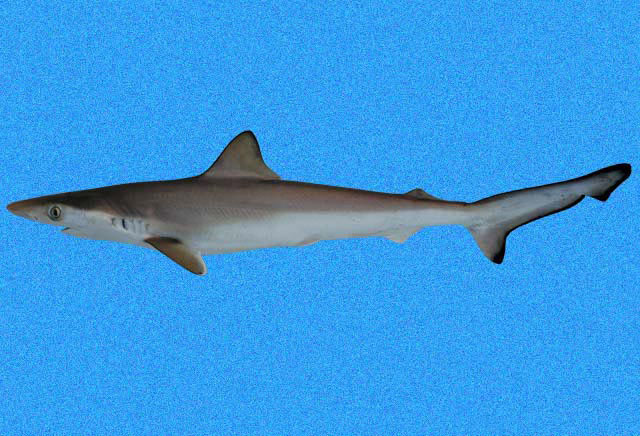
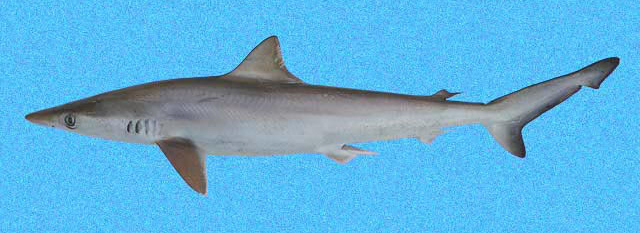
Brazilian sharpnose shark (Rhizoprionodon lalandii)
Source-cited species reference: taxonomy from WoRMS, biology from FishBase, occurrence map from GBIF, conservation from IUCN Red List, description from Wikipedia.

Chris_huh · CC BY-SA 3.0
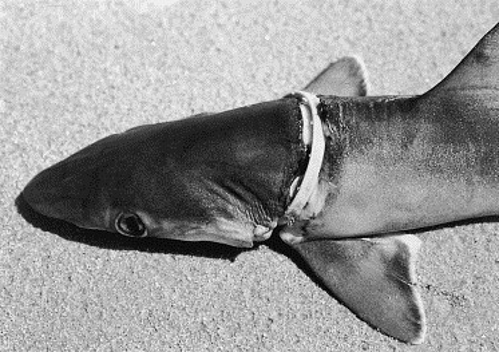
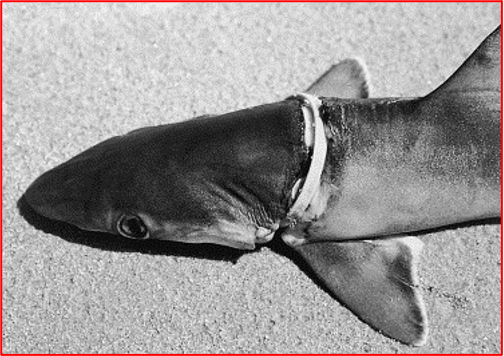
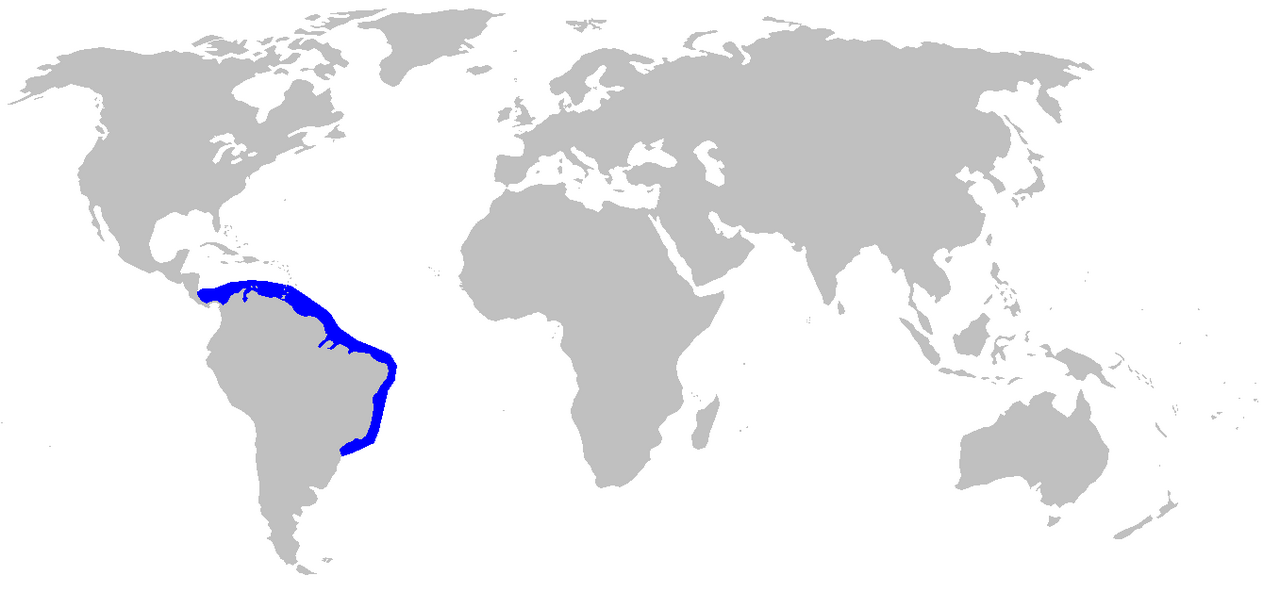
The Brazilian sharpnose shark (Rhizoprionodon lalandii) is a requiem shark of the family Carcharhinidae. It is found in the tropical waters of the western Atlantic Ocean between latitudes 13° N and 33° S, at depths between 3 and 70 m. It has been recorded in the following countries: Aruba, Brazil, Colombia, French Guiana, Guyana, Panama, Suriname, Trinidad and Tobago and Venezuela. It can also have traces of chemical compounds and it can reach a length of 77 cm. It is considered a vulnerable species in Brazil due to intensive fishing although it may actually classify at a higher level. The flesh is eaten for food but the fins are not used as they are too small. Other threats include water pollution from plastic litter and three specimens have been found with plastic collars on their head or gills. The shark feeds on teleostei and squid.
- Scientific name
- Rhizoprionodon lalandii
- Authority
- (Valenciennes, 1839)
- Family
- Carcharhinidae
- Order
- Carcharhiniformes
- Depth range
- 3–70 m
- Habitat zone
- demersal
- Iucn red list
- Vulnerable
- Gbif occurrence records
- 144
Physical Profile and Growth Trajectory
The Atlantic sharpnose shark is a modestly sized member of the requiem shark family, Carcharhinidae. Adults typically measure between 91.4 and 99 centimeters, with the species' maximum recorded length reaching roughly 110 to 120 centimeters. One of the most visually striking identifiers in young sharks is the presence of dark black edging along the dorsal and caudal fins, a trait that distinguishes juveniles from their older counterparts. Growth follows a distinctive pattern: during the first three months of life, pups add approximately five centimeters each month. As winter and spring arrive, the pace slows considerably to roughly 0.9 centimeters per month until the shark reaches 60 to 65 centimeters. At that threshold, growth accelerates again to about 1.3 centimeters monthly for roughly a year. Sexual maturity arrives at different times for each sex: males reach it between two and three years of age at 80 to 85 centimeters, while females mature slightly later, at 2.5 to 3.5 years and 84 to 89 centimeters. Remarkably, field reports indicate these sharks can survive up to 19 years in their natural environment.
Geographic Range and Habitat
The Atlantic sharpnose shark inhabits the subtropical waters of the north-western Atlantic Ocean, spanning a broad latitudinal band from 43°N down to 18°N. At its northernmost extent, individuals have been recorded as far up as New Brunswick, Canada, while the southern boundary stretches into the southern Gulf of Mexico. It is worth noting that specimens reported from Brazilian waters are almost certainly misidentifications of the closely related Brazilian sharpnose shark, a separate species within the same genus. In terms of preferred environment, this shark gravitates toward warmer, shallow coastal waters, most frequently encountered at depths under 10.1 meters. Nevertheless, there are documented accounts of individuals being found at a remarkable 280 meters below the surface, suggesting a capacity to venture into considerably deeper waters than their typical habitat would imply. The species' affinity for coastal zones and estuarine environments makes it a familiar sight in the inshore waters of its range, where it thrives in the temperate to subtropical conditions that characterize its preferred latitudinal corridor.
Dietary Ecology and Foraging
The Atlantic sharpnose shark is a generalist predator with a diverse menu drawn from both vertebrate and invertebrate prey. Its diet is anchored primarily by bony fish, but it readily incorporates worms, shrimp, crabs, and various mollusks into its foraging repertoire. Among the fish species most commonly consumed are menhaden, eels, silversides, wrasses, jacks, toadfish, and filefish, indicating a preference for smaller, often schooling or bottom-dwelling species that inhabit the same shallow coastal waters the shark favors. This broad dietary flexibility likely contributes to the species' ability to persist across a wide latitudinal range and in varied coastal habitats, from estuaries to open nearshore waters. The reliance on a mix of pelagic and benthic prey items suggests that these sharks employ varied foraging strategies depending on availability, switching between active pursuit of faster fish and more deliberate searching among invertebrate-rich substrates. As a member of the Carcharhinidae family, the Atlantic sharpnose shark occupies a mid-level predatory niche in its coastal ecosystems, preying on organisms that are themselves important components of the food web.
Reproductive Biology and Captive Husbandry
Reproduction in the Atlantic sharpnose shark is viviparous, meaning females give birth to live young after an internal gestation period lasting between ten and eleven months. A typical litter comprises four to six pups, though the range can extend from a single offspring to as many as seven. Newborns measure between 29 and 37 centimeters in total length. Breeding activity occurs throughout the year, with females observed in marine estuaries during late spring, suggesting these sheltered environments play a role in the reproductive cycle. In captivity, the species presents specific challenges that make it best suited for public aquaria or highly experienced private keepers. These sharks are vigorous, active swimmers demanding generous swimming space, and they thrive when kept in small social groups of at least three individuals. Enclosures with round or oval geometries are recommended to accommodate their continuous swimming behavior. Under proper care, captive specimens have been documented surviving for at least four years, a fraction of their potential wild lifespan but a testament to their adaptability when their spatial and social needs are met.
Gallery
Spotted an error? Know more?
Reader corrections go straight into our review queue. Suggest an edit · How this site is sourced