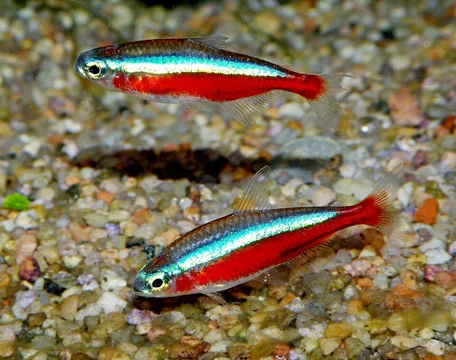
Where Cardinal fish has been recorded
GBIF occurrence records for Apogon imberbis, mapped and tabulated by country.

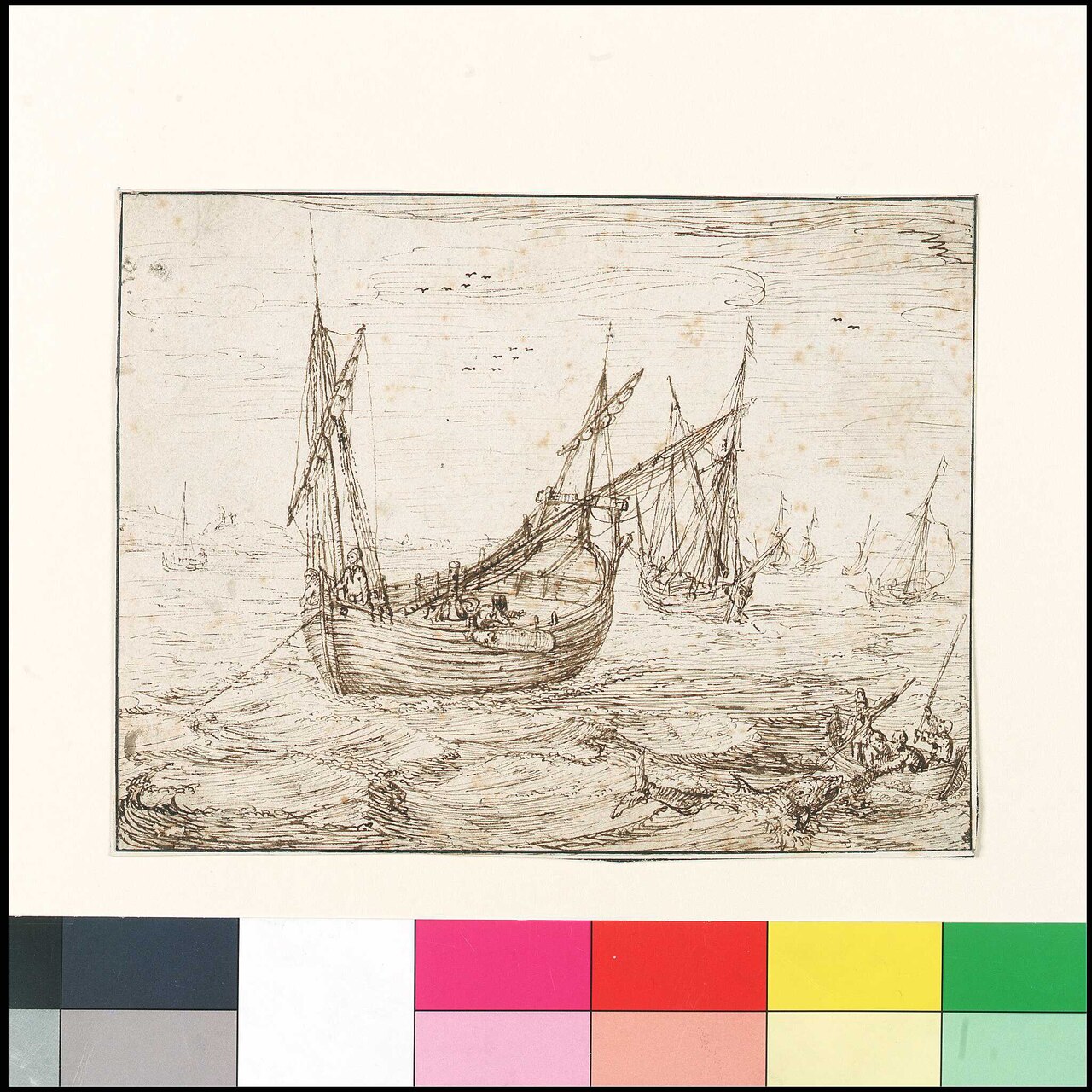
Hendrick Cornelisz Vroom · Public domain
8,838 georeferenced occurrence records with coordinates are published for Apogon imberbis through GBIF, from 38 countries or marine areas. This page maps those records and lists where they come from. Occurrence records reflect where people have looked as well as where the species lives, so well-surveyed coastlines are over-represented.
- Georeferenced records
- 8,838
- Countries / areas
- 38
- Mapped locations
- 131
- Records sampled for the map
- 3,000
- Inland records omitted
- 81
- Gbif taxonkey
- 5211775
Countries and areas with the most records (GBIF)
France — 5,534 records; Spain — 1,484 records; Greece — 753 records; Italy — 289 records; Croatia — 84 records; Nigeria — 78 records; Portugal — 61 records; Malta — 58 records; Gabon — 57 records; Ghana — 56 records; Liberia — 48 records; Côte d’Ivoire — 46 records; Israel — 30 records; Lebanon — 29 records; Türkiye — 28 records.
Source: GBIF Occurrence Search (taxonKey 5211775) — https://www.gbif.org/occurrence/search?taxon_key=5211775&has_coordinate=true (records CC0 / CC BY). Accessed 2026-09-23.
Marine regions with a WoRMS distribution record
Azores Exclusive Economic Zone; Israeli part of the Mediterranean Sea - Eastern Basin.
Source: WoRMS distribution records (MarineRegions) — https://www.marinespecies.org/aphia.php?p=taxdetails&id=273021 (CC BY 4.0). Accessed 2026-09-23.
How to read this map
The map plots a sample of 3,000 of the 8,838 records, deduplicated to a half-degree grid, so dense areas do not merge into one blob. The sample covers 15 of the 38 countries or areas with records; the areas absent from the sample hold 494 records in total (Nigeria, Gabon, Ghana, Liberia, Côte d’Ivoire, Israel, Lebanon, Cameroon).
81 records plotting inland were omitted: for a marine species those are almost always the holding institution's coordinates rather than a collection site.
Records show where the species has been observed and reported, not a modelled range.
Source: GBIF Occurrence Search (taxonKey 5211775) — https://www.gbif.org/occurrence/search?taxon_key=5211775&has_coordinate=true (records CC0 / CC BY); WoRMS distribution records (MarineRegions) — https://www.marinespecies.org/aphia.php?p=taxdetails&id=273021 (CC BY 4.0); Natural Earth 110m basemap — https://www.naturalearthdata.com/ (public domain). Accessed 2026-09-23.
Gallery
Frequently Asked Questions
How many confirmed sightings of Apogon imberbis are on record?
GBIF currently holds 8,838 georeferenced occurrence records with coordinates for this species. Those records span 38 different countries or marine areas, painting a broad picture of its tropical and subtropical range.
What's actually shown on the distribution map?
The map plots 131 distinct locations derived from a sample of 3,000 records pulled from the full dataset. It's a visual snapshot rather than an exhaustive point-by-point rendering of every single record.
Why do some coastal regions look like they have way more Cardinal fish than others?
Record density tracks survey effort as much as true abundance, so heavily studied coastlines naturally show up more often. A sparse count in a given area doesn't necessarily mean the fish isn't actually there.
How many countries or marine areas does the Cardinal fish's record cover?
The 8,838 published records originate from 38 separate countries or marine areas. That breadth reflects both the species' wide Indo-Pacific distribution and the global network of collectors contributing data to GBIF.
Why were some records left off the map?
81 inland records were dropped because they likely represent misidentifications, mislabelled coordinates, or specimens logged far from any plausible marine habitat. Fans can pull the raw dataset themselves using the GBIF taxonKey 5211775.
Related in Cardinal fish
Links follow this subject's own source article.
Elsewhere in Cardinal fish
Spotted an error? Know more?
Reader corrections go straight into our review queue. Suggest an edit · How this site is sourced