Virginity
A social construct with varying definitions and cultural significance.
Last updated
Virginity is a social construct that refers to a person who has never had sexual intercourse. Because there is no single, objective definition, what counts as losing virginity varies across different social groups. For heterosexual people, it may only involve penile–vaginal penetration, while people of other sexual orientations often include oral sex, anal sex, or manual sex. The term "virgin" has different meanings in traditional, modern, and ethical contexts.
Some cultures have religious rituals that are believed to restore virginity. People who practice celibacy after having had sex sometimes call themselves born-again virgins. Many cultural and religious traditions place special value on virginity, especially for unmarried women, linking it to ideas of personal purity, honor, and worth.
Like chastity, the concept traditionally involves sexual abstinence. Virginity often carries moral or religious weight and can affect social status and personal relationships. Although it once had legal consequences in some societies, it has no legal implications in most modern ones.
Etymology
However, its social implications persist in many places and can influence an individual's social agency. The word "virgin" comes from Old French virgine, derived from Latin virgo (genitive virginis), meaning "maiden" or "virgin." The Latin words virgino (female virgin) and virgulo (a virgin person, often used for a male) are more specific terms. The Latin word likely developed from a set of words based on vireo, meaning "to be green, fresh, or flourishing," especially in botany—such as virga, meaning "strip of wood." The first known use of "virgin" in English appears in a Middle English manuscript from around 1200, held at Trinity College, Cambridge: "Ðar haueð ... martirs, and confessors, and uirgines maked faier bode inne to women." In this and many later contexts, the reference is specifically Christian, referring to members of the Order of Virgins (Ordo Virginum), which has existed since the early church, as recorded by the Church Fathers. By about 1300, the word was extended to Mary, the mother of Jesus, explicitly referring to sexual virginity: "Conceiud o þe hali gast, born o þe virgine marie." Over the next century, it expanded to include virtuous or naïve young women, regardless of religious connection.
Quick Facts
- Field
- Social construct, cultural studies
- Known for
- Denoting the state of a person who has never engaged in sexual intercourse; subject to varying social definitions
- Etymology
- From Latin virgo, meaning 'maiden' or 'virgin'; first known use in English circa 1200
- Related concepts
- Chastity
- born-again virgin
- technical virginity
- virgin complex
Facts from the source article.
Lore & Background
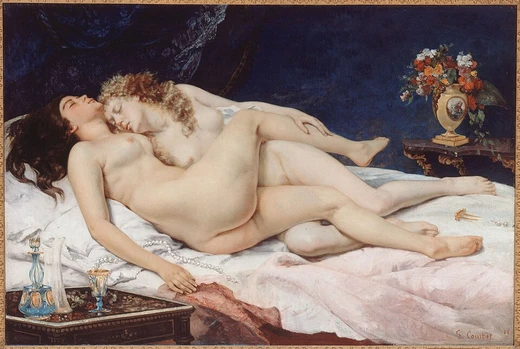
The concept of virginity has significance only in a particular social, cultural or moral context. According to Hanne Blank, 'virginity reflects no known biological imperative and grants no demonstrable evolutionary advantage.' Medieval bestiaries stated that the only way to capture or tame a unicorn was by way of using a virgin as a lure, due to her implied purity. The topic is popular in Renaissance paintings. Although virginity has historically been correlated with purity and worth, many feminist scholars believe that virginity itself is a myth, arguing that no standardized medical definition exists and that sexual intercourse results in no change in personality.
Reader's Guide
Virginity's significance and legacy lie in its role as a social and moral marker, particularly for unmarried females, with implications for personal purity, honour, and social status. The term lacks an operational definition, leading to varied interpretations across cultures and sexual orientations. Heterosexual individuals may or may not consider loss of virginity to occur only through penile–vaginal penetration, while people of other sexual orientations often include oral sex, anal sex, or manual sex.
The concept of 'technical virginity' is popular among teenagers, though studies show disagreement on what constitutes 'having sex.' Religious rituals for regaining virginity exist in many cultures, and some men and women who practice celibacy after losing their virginity consider themselves born-again virgins. Feminist scholars critique the concept for placing a woman's morality 'between her legs' and for lacking scientific verifiability. The social implications of virginity persist in many societies, affecting individual social agency, though it has no legal consequences in most modern societies.
More in Sexual Practices & Identities
Sources
Compiled from Wikipedia and the sources listed below. Text from Wikipedia is available under CC BY-SA 4.0; this entry is adapted from it.
- Wikipedia: Virginity (CC BY-SA 4.0).
Spotted an error? Know more?
Reader corrections go straight into our review queue. Suggest an edit · How this site is sourced