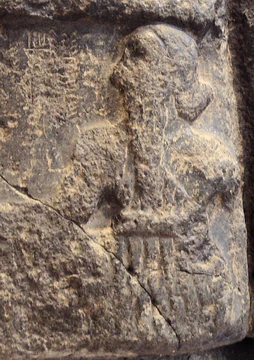
Exposure (infant)
Infants left outside to die, a practice in myth and antiquity.
Exposure, or exposition, is a method of infanticide or child abandonment in which infants are left outside to die. In ancient times, the infants typically died from hypothermia, starvation, or animal attack, were collected by slavers, or were adopted by those unable to produce children. The practice is notable for its widespread occurrence in mythology and antiquity.
Quick Facts
- Etymology
- From Latin expōnō
- 'to set forth
- expose'
- Ancient greek advocate
- Aristotle
- Roman legal code
- Twelve Tables, Table 4.1
- Christian influence
- Constantine the Great
Facts from the source article.
Did You Know?
- In the 8th century, foundling hospitals were opened in Milan, Florence and Rome to help reduce deaths from exposure.
- Church authorities were in charge of these foundling hospitals until the 16th century.
Mythological
Exposure is a recurring theme in mythology, especially among hero births. Examples include Sargon, King of Akkad, exposed to the river; Karna, exposed to the river; Tang Sanzang, exposed to the river on a wooden plank (though the historical person he is based on never suffered such a fate); Oedipus, exposed in the mountains; Paris, exposed at the top of Mount Ida; Zāl, exposed in the Alborz mountains; Telephus, exposed on Mount Parthenion; Atalanta, exposed on Mount Parthenion; Perseus, boxed and cast into the sea with his mother, Danaë; Romulus and Remus, exposed in a tub to the Tiber River; Siegfried, exposed in a glass vessel to the river; Ken Arok, Javanese king, exposed to the river; Mess Búachalla, exposed to wild beasts; and Moses, left by his mother in a basket floating in the Nile River. Otto Rank explores this topic in his book, The Myth of the Birth of the Hero. He argues that exposure, especially in water, signifies no more and no less than the symbolic expression of birth, with the basket or box representing the womb. Rank states that these myths epitomize the natural psychological tension between parent and child, showing a tendency to represent the parents as the first and most powerful opponents of the hero, and that the vital peril concealed in exposure actually exists in the process of birth itself.
In Antiquity
In ancient Greece, leaving newborns to die was common. Aristotle argued that deformed infants should not be allowed to live, and Plato supported state-sanctioned infanticide. According to Plutarch, Spartan fathers brought their infants before tribal elders, who decided whether the child was strong enough to raise. Weak or deformed babies were taken to a chasm called the Apothetae at the foot of Mount Taÿgetus. However, this account lacks other ancient support, and excavations there have uncovered only adult skeletons, suggesting the site was used for executing criminals instead. In ancient Rome, exposure was widespread and socially accepted, especially for girls. Jack Lindsay noted that even large families rarely raised more than one daughter. The Twelve Tables permitted the exposure of severely deformed infants. As Christianity spread, Christians became known for rescuing abandoned babies. Beginning with Constantine, Christian emperors passed reforms that eventually ended the practice. William Lecky described infant exposure as happening on a massive scale with no legal consequences, noted by writers with cold indifference, and considered a minor offense, especially among poor parents.
More in Sargon of Akkad
Spotted an error? Know more?
Reader corrections go straight into our review queue. Suggest an edit · How this site is sourced