Spoon sweets
Sweet preserves served by the spoon as a gesture of hospitality.
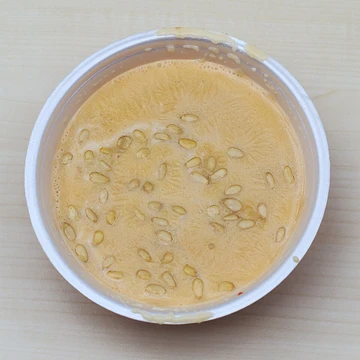
Spoon sweets are sweet preserves traditionally served by the spoonful as a gesture of hospitality in several Balkan countries. They can be made from a wide variety of fruits, nuts, or even flower petals, and are prized for retaining the original shape, color, aroma, and taste of the fruit. These preserves are often offered with coffee or tea and cold water, and may be homemade or commercially produced.
Quick Facts
- Place of origin
- Greece
- Main ingredients
- Fruit, sugar
Facts from the source article.
Greece and Cyprus
In Greece and Cyprus, spoon sweets are typically served with Greek coffee and a glass of cold water. Most are made of whole fruit, though some varieties use pieces or purees. A distinctive Greek spoon sweet is vaníllia, which is not made from vanilla but from mastic resin from the island of Chios. This snow-white, intensely aromatic paste is often served as a spoonful dropped into a tall glass of ice-cold water, called a "vanilla submarine" (βανίλια υποβρύχιο). It has the consistency of hard caramel candy when cold and is meant to be licked as it softens at body temperature. The Greek diaspora introduced this treat to countries as far away as Japan, and it is regarded as the official sweet of the Patriarchate of Constantinople. Whole fruit preserves are common in Greek and Cypriot homes, made by slowly boiling fruit in water and sugar until the syrup sets. Lemon juice is often added to preserve color, and blanched almonds may be added for crunch. Ingredients such as cinnamon bark, mint, or geranium leaves may be added during boiling and then discarded. The method is similar to marmalade but keeps fruit pieces firm and chewy.
Albania and Kosovo
In Albanian cuisine, spoon sweets are called Reçel and are commonly eaten with xhezve coffee to balance the coffee's bitterness. Popular variants include plum, quince, apple, orange, grape, and pumpkin with nuts. These preserves are generally made at home and stored in old jars, ready to serve to guests and family on festival days.
More in Russian Desserts
Spotted an error? Know more?
Reader corrections go straight into our review queue. Suggest an edit · How this site is sourced