Coaxial cable
Coaxial cable is an unbalanced transmission line for high-frequency signals.
Last updated

Ohgud.kibn7ewyu2 · CC BY-SA 4.0
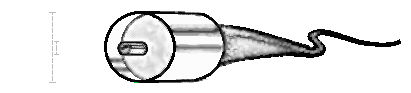
Coaxial cable, often called coax, is an electrical cable built around a central conductor, which is surrounded by a concentric outer conductor that acts as a shield. Between these two conductors lies a dielectric insulating material, and many coaxial cables also include a protective outer jacket. The name "coaxial" comes from the fact that the inner conductor and the outer shield share the same geometric axis.
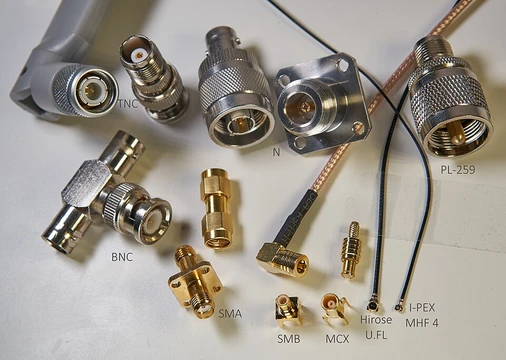
This cable is an unbalanced transmission line, designed to carry high-frequency electrical signals with minimal loss. It is commonly used for telephone trunk lines, broadband internet networking, high-speed computer data buses, cable television, and for connecting radio transmitters and receivers to their antennas. What sets coaxial cable apart from other shielded cables is that its dimensions and connectors are precisely controlled to maintain a constant spacing between conductors, which is essential for its efficient operation as a transmission line.
Quick Facts
- Inventor
- Oliver Heaviside
- Patent year
- 1880
- Patent number
- British patent No. 1,407
- First use
- 1858 transatlantic cable installations
Facts from the source article.
Lore & Background
Coaxial cable was used in the first (1858) and following transatlantic cable installations, but its theory was not described until 1880 by English physicist, engineer, and mathematician Oliver Heaviside, who patented the design in that year (British patent No. 1,407). In his 1880 British patent, Heaviside showed how coaxial cable could eliminate signal interference between parallel cables.
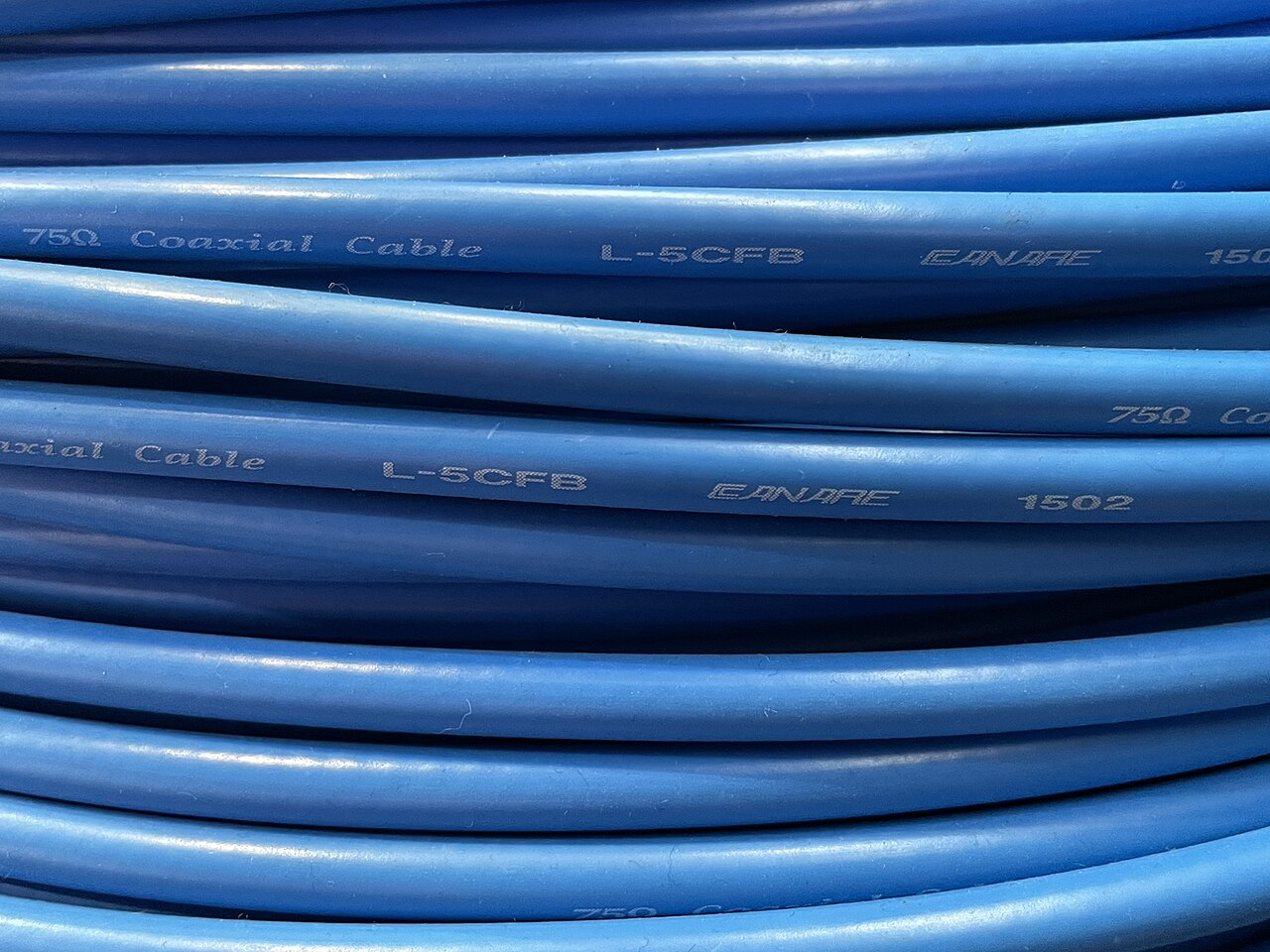
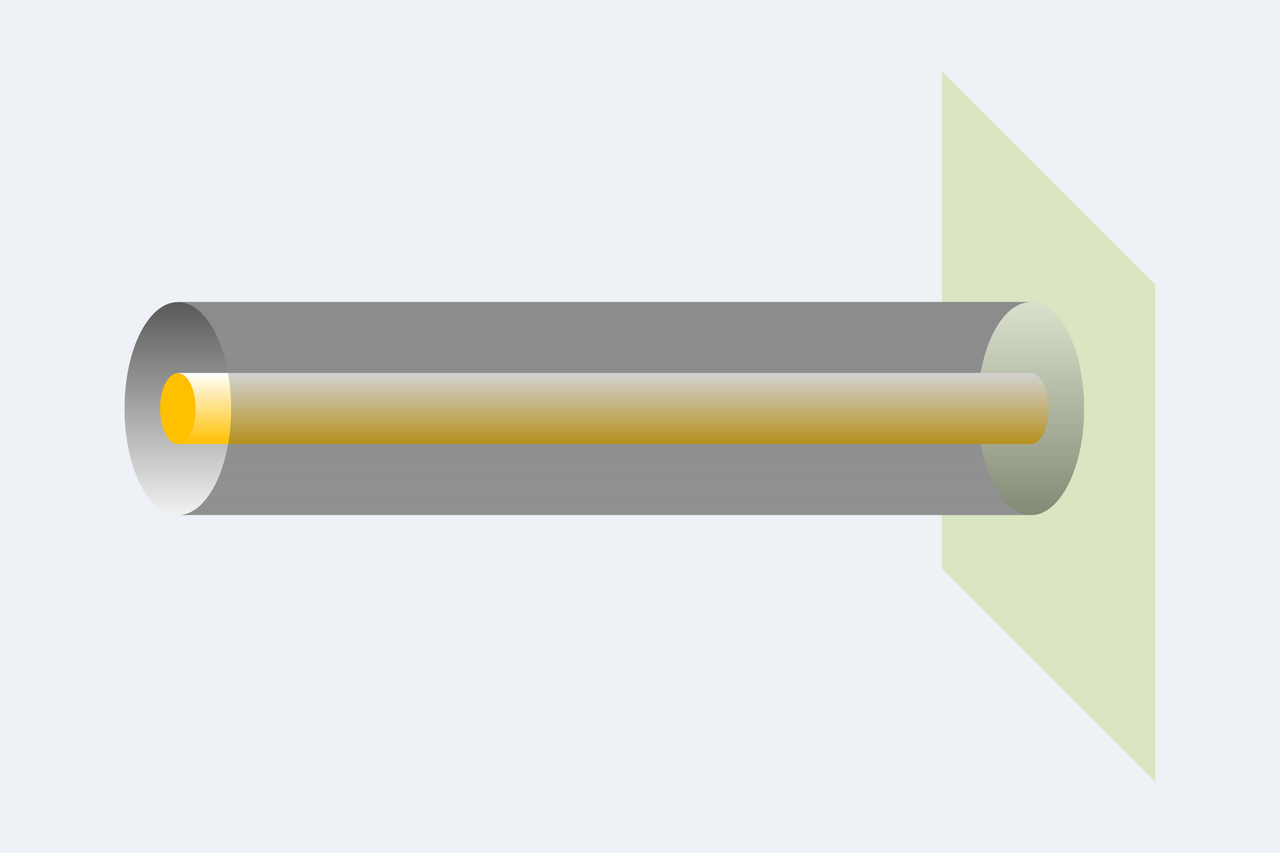
Coaxial cable conducts electrical signals using an inner conductor (usually a solid copper, stranded copper or copper-plated steel wire) surrounded by an insulating layer and all enclosed by a shield, typically one to four layers of woven metallic braid and metallic tape. The cable is protected by an outer insulating jacket. Normally, the outside of the shield is kept at ground potential and a signal carrying voltage is applied to the centre conductor. The characteristic impedance of the cable is determined by the dielectric constant of the inner insulator and the radii of the inner and outer conductors.
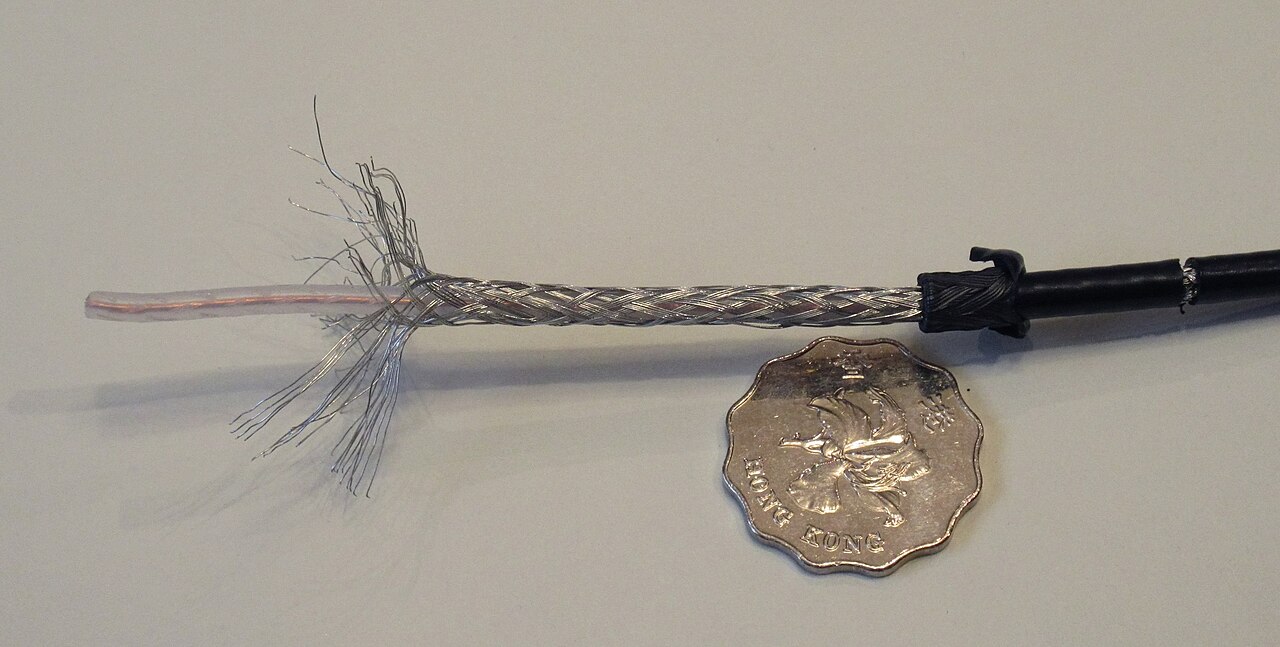
Coaxial cable design choices affect physical size, frequency performance, attenuation, power handling capabilities, flexibility, strength, and cost. The inner conductor might be solid or stranded; stranded is more flexible.
The insulator surrounding the inner conductor may be solid plastic, a foam plastic, or air with spacers supporting the inner wire. Many conventional coaxial cables use braided copper wire forming the shield, which allows flexibility but introduces gaps. For better shield performance, some cables have a double-layer shield, such as a thin foil shield covered by a wire braid, or quad-shield with four alternating layers of foil and braid.
Anatomy of a Coaxial Cable
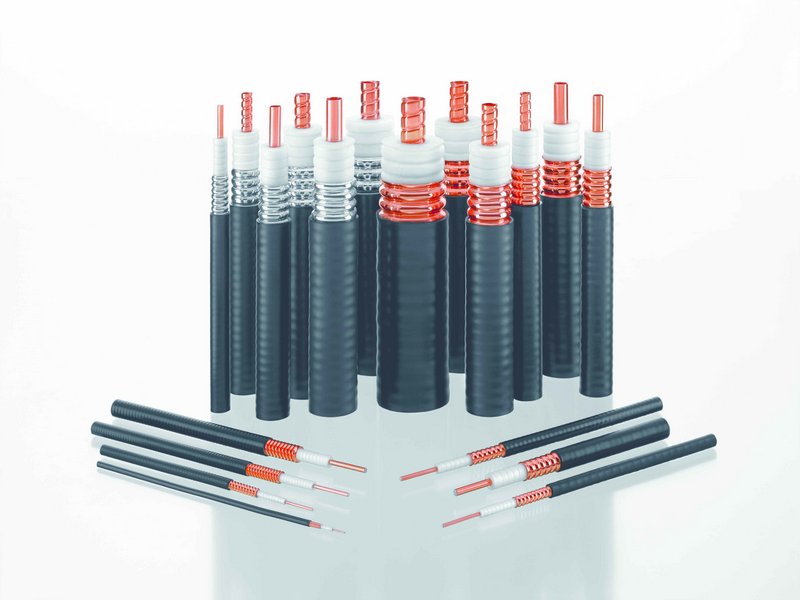
The physical architecture of coaxial cable is deceptively simple yet precisely engineered. At its core sits a central conductor—typically solid copper, stranded copper, or copper-plated steel—encircled by a dielectric insulating layer. This insulator might be solid polyethylene for lower-loss performance, Teflon in plenum-rated installations, or even air held in place by spacers. Surrounding the dielectric is a conducting shield, most commonly a woven metallic braid, though some designs layer thin foil beneath the braid or stack up to four alternating foil-and-braid layers in what is called quad-shield construction.
A final protective jacket seals the assembly. The name "coaxial" captures the essential geometry: the inner wire and the outer shield share the same geometric axis. This concentric arrangement is not merely aesthetic—it is what allows the cable to function as a controlled transmission line rather than a simple shielded wire.
Signal Confinement and Impedance Control
What sets coaxial cable apart from ordinary shielded wiring is its role as a transmission line with tightly controlled electromagnetic behavior. In an ideal coaxial structure, the electric and magnetic fields that carry the signal are confined entirely to the dielectric space between the inner conductor and the outer shield. This means a coaxial run can be routed alongside metal gutters or structural elements without suffering the power losses that plague other transmission line types.
When differential signaling is employed, equal and opposite push-pull currents flow on the inner conductor and the inner surface of the shield, further suppressing any field leakage beyond the jacket. At the receiving end, a balun can enforce this current symmetry, keeping external interference from coupling into the signal path. The cable's characteristic impedance is governed by the dielectric constant and the radii of both conductors, and in radio-frequency systems where cable length approaches the signal wavelength, maintaining a uniform impedance along the run is critical to minimizing standing waves and maximizing power transfer.
A Cable for Nearly Every Signal
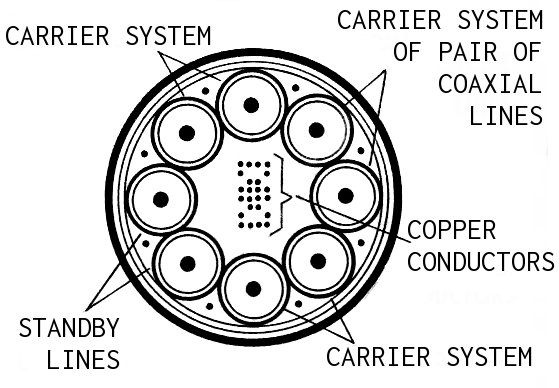
Few pieces of wiring infrastructure span as wide a range of applications as coaxial cable. It carries the radio-frequency feedlines that link transmitters and receivers to their antennas, distributes cable television and video signals through residential and commercial networks, and serves as the backbone for broadband internet and Ethernet computer networking.
Digital audio connections such as S/PDIF also rely on coaxial topology, and high-speed data buses in instrumentation and computing environments use it as well. The cable's versatility stems from its dual strength: it protects delicate, low-level signals from environmental electromagnetic interference while simultaneously preventing powerful transmitters from radiating energy into neighboring circuits or structures. Larger-diameter cables and multi-layer shields further reduce leakage, making coax suitable for everything from a thin patch cable in a server rack to a heavy-duty feedline carrying substantial RF power.
From Transatlantic Wires to Modern Theory
The practical use of coaxial cable predates its theoretical explanation by more than two decades. The first transatlantic cable, laid in 1858, and the subsequent installations that followed, already employed a coaxial construction to carry telegraph signals across the ocean floor.
Yet it was not until 1880 that the underlying physics were formally articulated. English physicist, engineer, and mathematician Oliver Heaviside published the theory describing how a concentric conductor-and-shield geometry functions as a controlled transmission line, and he secured British patent number 1,407 for the design that same year. Heaviside's work gave engineers a mathematical framework for understanding why the precise spacing between inner and outer conductors matters, laying the groundwork for the impedance-matching principles and attenuation calculations that still govern coaxial cable design today.
Reader's Guide
Coaxial cable is significant as a transmission line for radio frequency signals, providing protection of the signal from external electromagnetic interference and allowing cable runs to be installed next to metal objects without the power losses that occur in other types of transmission lines. In an ideal coaxial cable, the electromagnetic field carrying the signal exists only in the space between the inner and outer conductors, which allows weak signals to be carried without interference from the environment and stronger signals to be prevented from radiating into adjacent structures or circuits. Larger diameter cables and cables with multiple shields have less leakage.
Common applications include video and CATV distribution, RF and microwave transmission, and computer and instrumentation data connections. In radio frequency systems where cable length is comparable to the wavelength of the signals transmitted, a uniform cable characteristic impedance is important to minimize loss, and source and load impedances are chosen to match the impedance of the cable to ensure maximum power transfer and minimum standing wave ratio. Other important properties include attenuation as a function of frequency, voltage handling capability, and shield quality.
More in RF Connectors and Coax
Sources
Compiled from Wikipedia and the sources listed below. Text from Wikipedia is available under CC BY-SA 4.0; this entry is adapted from it.
- Wikipedia: Coaxial cable (CC BY-SA 4.0).
Spotted an error? Know more?
Reader corrections go straight into our review queue. Suggest an edit · How this site is sourced