Asthma-COPD overlap
Chronic airway disease with features of both asthma and COPD.
Asthma-COPD overlap, or ACO, is a chronic inflammatory airway disease where traits of both asthma and COPD are prominent. These conditions were once seen as separate, but some patients show overlapping symptoms and underlying disease processes. It remains uncertain if ACO is a distinct illness or a subtype of asthma and COPD. Tobacco smoke is a known major risk factor, though other causes and how common it is are not well understood.
Quick Facts
- Field
- Pulmonology
- Symptoms
- wheezing
- coughing
- dyspnea
- sputum production
- Onset
- Adulthood
- Duration
- Long term
- Causes
- Genetic and environmental factors
- Risks
- smoking
- air pollution
- allergens
- Diagnosis
- Based on symptoms
- response to therapy
- spirometry
- Treatment
- Avoiding triggers
- inhaled corticosteroids
- bronchodilators
Facts from the source article.
Did You Know?
- ACO presents in adulthood, usually after age 40, after significant tobacco smoke or other toxic fumes exposure.
- Symptoms of ACO include dyspnea, exercise intolerance, sputum production, cough, and episodes of symptomatic worsening known as exacerbations.
Pathophysiology
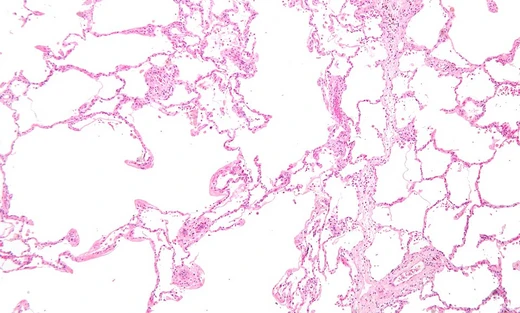
ACO presents with chronic airflow limitation or obstruction due to inflammation, incorporating characteristics of both asthma and COPD. Features of asthma include inflammation of large and medium airways, bronchoconstriction from smooth muscle spasm, and smooth muscle hyperresponsiveness to allergens or irritants, along with mucus production. COPD features include small airway inflammation and mucus hypersecretion typical of chronic bronchitis, peribronchial inflammation that may lead to fibrosis (obliterative bronchiolitis), and emphysematous changes such as alveolar destruction resulting in lung hyperinflation and air trapping.
Diagnosis
No widely accepted diagnostic criteria for ACO exist, but the diagnosis requires clinical features of both asthma and COPD. One expert consensus criteria from 2016 requires three major and at least one minor criterion. Minor criteria include a history of atopy or allergic rhinitis, a more limited bronchodilator response (greater than 200 mL or 12% improvement in FEV1), and peripheral blood eosinophils greater than 300 cells/μL. Spirometry documenting obstruction is required. In those with asthma, emphysema on imaging or decreased diffusion capacity (DLCO) may aid diagnosis; in those with COPD, elevated fraction of exhaled nitric oxide (FENO) or increased IgE levels may suggest ACO.
Treatment
Treatment of ACO is based on expert opinion, as no universally accepted clinical guidelines exist, and therapy is usually guided by whether asthma or COPD features predominate. Inhaled corticosteroids (ICS) are the primary treatment and should be continued in those with asthma who develop decreased airway responsiveness consistent with ACO. Therapy may be escalated to an ICS-LABA combination or triple therapy with a LAMA for more severe or resistant disease. Monoclonal antibodies targeting type 2 inflammation, such as omalizumab, mepolizumab, and benralizumab, may be used in severe cases. Systemic corticosteroids may be used during exacerbations.
Frequently Asked Questions
What are the symptoms of Asthma-COPD overlap?
Symptoms of Asthma-COPD overlap include wheezing, coughing, dyspnea and sputum production.
What causes Asthma-COPD overlap?
Listed causes of Asthma-COPD overlap include Genetic and environmental factors.
How is Asthma-COPD overlap treated?
Treatment of Asthma-COPD overlap includes Avoiding triggers, inhaled corticosteroids and bronchodilators.
More in Respiratory Diseases
Spotted an error? Know more?
Reader corrections go straight into our review queue. Suggest an edit · How this site is sourced