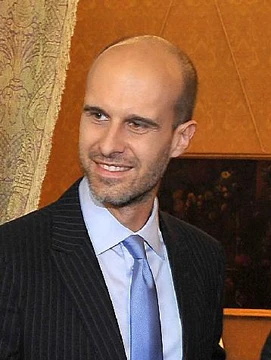
Apichatpong Weerasethakul
Thai filmmaker known for dreamlike, unconventional narratives.
Last updated

via Wikipedia: Apichatpong Weerasethakul · see source
Apichatpong Weerasethakul, a Thai filmmaker, visual artist, and professor at Tama Art University in Tokyo, works independently of Thailand's mainstream studio system. Often called "Joe" for convenience, he has made several feature films and many shorts.
His work Uncle Boonmee Who Can Recall His Past Lives won the Palme d'Or at Cannes in 2010; Tropical Malady took the Jury Prize there in 2004; and Blissfully Yours won the top award in the Un Certain Regard section in 2002. His films explore dreams, nature, sexuality (including his own homosexuality), and how the West views Thailand and Asia. They tend to use unconventional storytelling and non-professional actors.
Lore & Background
Apichatpong Weerasethakul was born in Bangkok, Thailand, to a Thai Chinese family. Both his parents had been physicians who worked at a hospital in Khon Kaen, while his grandparents came from Canton. Apichatpong never learned to speak Chinese as his father, who was also a member of the House of Representatives, died when he was young.
He grew up in a traditional Buddhist family, exposed to rituals that incorporate animism and Hinduism. Among the filmmaker's early influences are the Dada movement and Joseph Cornell's "boxes." Apichatpong attended Khon Kaen University and received a bachelor's degree in architecture in 1994. He made his first short film, Bullet, in 1993.
He attended the School of the Art Institute of Chicago and received a Master of Fine Arts in filmmaking in 1997. He co-founded the production company Kick the Machine in 1999, using it as a vehicle for his own works alongside Thai experimental films and video. The list of other founders includes Gridthiya Gaweewong and Suaraya Weerasethakul, and the company co-organised the Bangkok Experimental Film Festival in 1999, 2001, 2005, and 2008.
Frequently Asked Questions
Who is Apichatpong Weerasethakul?
He is a Thai filmmaker, visual artist, and film producer born on 16 July 1970 who has built a distinctive international reputation working largely outside the Thai studio system. He also serves as a professor at Tama Art University in Tokyo.
What recurring themes appear in Apichatpong Weerasethakul's films?
His work consistently explores the porous boundary between dreams and waking life, the spiritual presence of nature, and questions of sexuality and identity. He also interrogates how Western audiences project stereotypes onto Thailand and broader Asian cultures.
Where does Apichatpong Weerasethakul teach?
He holds a professorship at Tama Art University in Tokyo, Japan. This academic role runs alongside his ongoing work as a filmmaker, producer, and visual artist.
Also in the Codexery
More in Renowned Film Directors & Producers
Sources
Compiled from Wikipedia and the sources listed below. Text from Wikipedia is available under CC BY-SA 4.0; this entry is adapted from it.
- Wikipedia: Apichatpong Weerasethakul (CC BY-SA 4.0).
Spotted an error? Know more?
Reader corrections go straight into our review queue. Suggest an edit · How this site is sourced