
Sea Monsters: A Prehistoric Adventure
A prehistoric adventure of ancient marine reptiles.

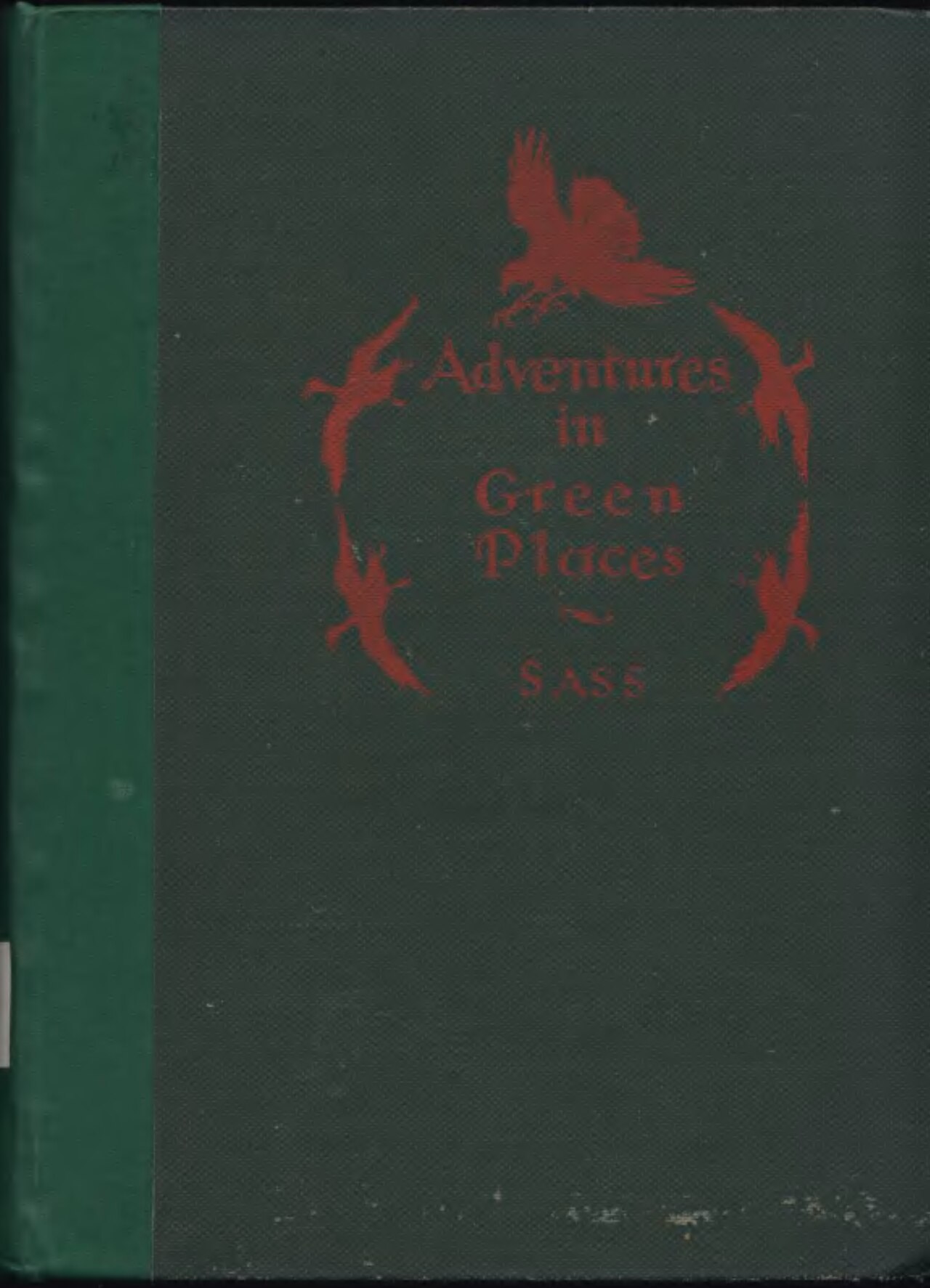
Herbert Ravenel Sass · Public domain
Sea Monsters: A Prehistoric Adventure, also known simply as Sea Monsters, is a 2007 National Geographic documentary made for IMAX 3D. The film focuses on prehistoric marine reptiles, shifting between present-day scenes of paleontologists at work and computer-animated sequences set in the ancient past. Critics gave the film positive reviews, but the video game released alongside it received harsh criticism.
The story follows Dolly, a female *Dolichorhynchops*, as she travels the Kansas Inland Sea with her family 80 million years ago, during the late Cretaceous period. Along the way, she encounters creatures such as *Tylosaurus*, *Xiphactinus*, *Cretoxyrhina*, and ammonites. After a shark (*Cretoxyrhina*) kills her mother, Dolly is attacked by another shark (*Squalicorax*), but survives when a passing *Tylosaurus* kills the shark, leaving a tooth embedded in her flipper. Later, a young *Tylosaurus* swallows Dolly’s brother whole, only to be killed by a larger member of its own kind, leaving Dolly alone. She grows to adulthood, has young of her own, and after seasons of traveling the inland sea, dies peacefully of old age.
The live-action segments cover several real discoveries. In South Australia in 2002, paleontologists found plesiosaurs, 95% of which were juveniles. In central Texas in 1980, a road crew near Austin uncovered ammonite fossils in a quarry that was once part of the Permian Basin. In western Kansas in 1918, Charles Sternberg and his sons Levi and George found a 29-foot *Tylosaurus* with a *Dolichorhynchops* inside it. In 1998, a phosphate mine in Israel’s Negev Desert revealed a mosasaur skull. In 1952, George Sternberg discovered a 13-foot *Xiphactinus* in Gove County, Kansas; below its ribs was a 6-foot *Gillicus* that had killed it instantly. In 1995, two amateur collectors in a North Dakota cave found many teeth from *Cretoxyrhina* and *Squalicorax*. In 1998, a Dutch quarry yielded a mosasaur skeleton with shark bite marks. In 1978, the Badlands National Park in South Dakota produced a *Tylosaurus* skeleton that had eaten several creatures in one meal.
The film features a wide range of creatures, including ammonites, *Baculites* (called straight-shelled ammonites), *Bananogmius*, *Caproberyx*, *Cretoxyrhina*, *Dolichorhynchops* (referred to as “dollies”), *Enchodus*, *Gillicus*, *Gorgosaurus*, *Henodus* (in a cameo), *Hesperornis*, *Inoce
- Release year
- 2007
- Format
- IMAX 3D documentary
- Producer
- National Geographic
- Composer
- Richard Evans
- End credits performers
- David Rhodes and Peter Gabriel
- Award
- Outstanding Visual Effects in a Special Venue Project at the Visual Effects Society Awards 2007
- Rotten Tomatoes rating
- 100% Fresh from 12 positive reviews
Quick Facts
- Writer
- Mose Richards
- Narrator
- Liev Schreiber
- Director
- Sean MacLeod Phillips
- Editing
- Jonathan P. Shaw
- Production Companies
- National Geographic Films
- Distributor
- National Geographic
- Released
- 2007 · 10 · 05
- Runtime
- 40 minutes
- Music
- Richard Evans / David Rhodes / Peter Gabriel
- Country
- United States
- Language
- English
Facts from the source article.
Lore & Background
The film's plot brings to life bizarre, ferocious, and fascinating creatures that once inhabited the ocean, combining animation with recreations. The prehistoric segments follow Dolly, a female Dolichorhynchops, who travels the Kansas Inland Sea 80 million years ago during the late Cretaceous period. She encounters Tylosaurus, Xiphactinus, Cretoxyrhina, and Ammonites, survives attacks by sharks, loses her mother and brother, and eventually dies peacefully of old age after having her own young.
Reader's Guide
The live-action segments document real fossil discoveries from 1918 to 2002 across locations including South Australia, Texas, Kansas, Israel, North Dakota, the Netherlands, and South Dakota. These include Charles Sternberg and his sons finding a Tylosaurus containing a Dolichorhynchops, and George Sternberg discovering a Xiphactinus with a Gillicus inside. The film's soundtrack, composed by Richard Evans, has never been officially released. The video game adaptation, released on Wii, PlayStation 2, and Nintendo DS on October 25, 2007, received overwhelmingly negative reviews across all platforms.
Did You Know?
- The film won the 'Outstanding Visual Effects in a Special Venue Project' award at the Visual Effects Society Awards 2007.
- The video game was released 20 days after the film, on October 25, 2007.
- The film's end credits song 'Different Stories Different Lives' was performed by David Rhodes and Peter Gabriel.
- The film was promoted with a line of toys from Wild Republic.
The Life and Loss of Dolly
The film's animated narrative follows Dolly, a female Dolichorhynchops plesiosaur, as she journeys through the Kansas Inland Sea alongside her family roughly eighty million years ago during the late Cretaceous. Her world is populated by a cast of extraordinary marine creatures, from the massive Tylosaurus to the predatory Xiphactinus, the great shark Cretoxyrhina, and swirling colonies of ammonites. Dolly's story is one of relentless loss. Her mother is taken by a Cretoxyrhina, and shortly after, a Squalicorax shark attacks her. A passing Tylosaurus saves Dolly by killing the shark, though the intervention leaves a tooth lodged in her flipper. Her brother is then swallowed whole by a young Tylosaurus, which is itself devoured by a larger member of the same species, leaving Dolly utterly alone. Despite these tragedies, she grows into adulthood, raises her own young, and eventually dies peacefully of old age after seasons of wandering the ancient seas.
Fossil Discoveries That Inspired the Film
Interspersed between the animated sequences are live-action vignettes documenting genuine paleontological finds from around the world. In 1918, Charles Sternberg and his sons Levi and George unearthed a twenty-nine-foot Tylosaurus in western Kansas, its stomach still containing a Dolichorhynchops. Decades later, in 1952, George Sternberg found a thirteen-foot Xiphactinus in Gove County, Kansas, with a six-foot Gillicus fish wedged beneath its ribs, a meal that had killed the predator instantly. In 1978, a Tylosaurus skeleton surfaced in Badlands National Park, South Dakota, having consumed multiple animals in a single feeding. Other discoveries include a 1980 ammonite find in a Texas quarry that was once part of the Permian Basin, a 1995 haul of Cretoxyrhina and Squalicorax teeth from a North Dakota cave, a 1998 mosasaur skull in Israel's Negev Desert, a Dutch quarry yielding a mosasaur riddled with shark bite marks, and a 2002 South Australian find of plesiosaur remains that were ninety-five percent juveniles.
Critical Acclaim and Technical Recognition
Upon its October 5, 2007 release, the film was met with near-universal praise. Rotten Tomatoes recorded a perfect 100 percent fresh score based on twelve positive reviews. John Anderson of Variety praised both the scientific accuracy and the narrative drive, noting that the film used its three-dimensional format as a genuine storytelling tool rather than a mere spectacle gimmick. Matt Seitz of The New York Times highlighted the digital spectacle, while the Seattle Times, Orlando Sentinel, and Chicago Tribune echoed similar enthusiasm for the visual achievement. The film's technical craft earned it the "Outstanding Visual Effects in a Special Venue Project" award at the 2007 Visual Effects Society Awards. The ambient score was composed by Richard Evans, and the end credits featured "Different Stories Different Lives" performed by David Rhodes and Peter Gabriel, though the complete soundtrack has never received an official commercial release. Marketing support included a toy line produced by Wild Republic.
The Video Game Adaptation
Twenty days after the film's theatrical debut, DSI Games delivered a tie-in video game published by Zoo Digital Publishing, available on Wii, PlayStation 2, and Nintendo DS. The game places players in an open-world prehistoric ocean where there is no fixed narrative objective; the sole goal is to locate and collect all the hidden fossils scattered throughout the environment. Players can assume the roles of several creatures featured in the film, including Henodus, Temnodontosaurus, Tylosaurus, Dolichorhynchops, and Nothosaurus, as well as a species called Thalassomedon that appears exclusively in the game and has no counterpart in the documentary. Despite the strong critical reception of the source material, the game fared dramatically worse. It received overwhelmingly negative reviews across every platform it was released on, with critics citing multiple shortcomings in its design and execution. The stark contrast between the film's acclaim and the game's reception remains one of the most notable disparities in the franchise's brief cultural footprint.
Gallery
Frequently Asked Questions
What is Sea Monsters: A Prehistoric Adventure?
It is a 2007 National Geographic documentary produced specifically for IMAX 3D screens. The film intercuts present-day paleontological fieldwork with computer-generated recreations of prehistoric marine reptiles in their ancient habitats.
Who is the main character in Sea Monsters: A Prehistoric Adventure?
The story follows Dolly, a female Dolichorhynchops, as she journeys across the Kansas Inland Sea with her family during the late Cretaceous period, approximately 80 million years ago.
What award did Sea Monsters: A Prehistoric Adventure receive?
The film won the Outstanding Visual Effects in a Special Venue Project award at the 2007 Visual Effects Society Awards.
Who composed the music for Sea Monsters: A Prehistoric Adventure?
Richard Evans wrote the film's score, and the end credits featured performances by David Rhodes and Peter Gabriel.
How was the Sea Monsters video game received compared to the film?
Although critics praised the IMAX documentary, the video game released alongside it was met with overwhelmingly negative reviews.
More in Prehistoric life in popular culture 1-23
Spotted an error? Know more?
This is a living reference — every entry is fact-audited, and reader corrections feed straight into our audit queue. Suggest an edit · See this site's audit record