
Brian Wilson
Co-founder of the Beach Boys and pioneering pop producer.

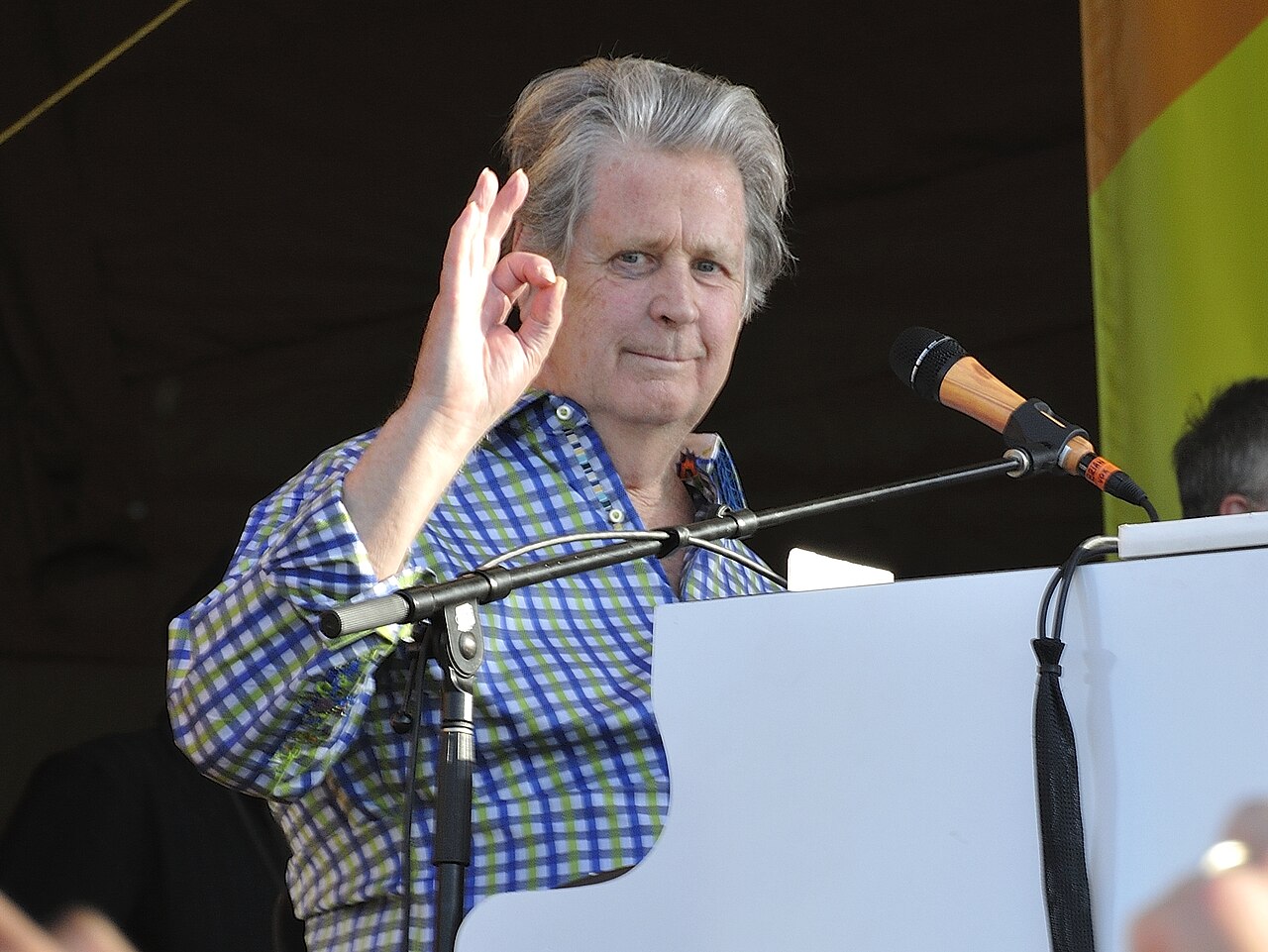
Takahiro Kyono from Tokyo, Japan · CC BY 2.0
Brian Douglas Wilson was born on June 20, 1942, in Inglewood, California, and died on June 11, 2025. He co-founded the Beach Boys and worked as a musician, singer, songwriter, and record producer. Critics and peers often place him among the most innovative and important figures in pop music history, citing his meticulous production standards, intricate harmonies, layered orchestrations, and complex vocal arrangements. His lyrics tended toward the innocent or self-reflective, and he made frequent use of his head voice and falsetto.
As a young musician, Wilson drew inspiration from George Gershwin, the Four Freshmen, Phil Spector, and Burt Bacharach. He started his professional career in 1961 as a Beach Boy, handling songwriting, production, co-lead vocals, bass, keyboards, and serving as the group’s de facto leader. After the band signed with Capitol Records in 1962, he became the first pop artist to receive credit for writing, arranging, producing, and performing his own material. He also produced or co-wrote songs for other acts, including the Honeys and Jan & Dean. By the mid-1960s, he had written or co-written over two dozen Top 40 hits in the United States, among them the number-one singles “Surf City” (1963), “I Get Around” (1964), “Help Me, Rhonda” (1965), and “Good Vibrations” (1966). He is recognized as the first rock producer to treat the recording studio as an instrument and as one of the earliest music producer auteurs.
Wilson struggled with mental illness throughout his life. He suffered a nervous breakdown in late 1964 and soon stopped touring regularly to focus on writing and recording. In 1966, he produced the Beach Boys album *Pet Sounds* and his first solo credited release, “Caroline, No,” as well as the unfinished album *Smile*. Though often called a genius, his output, mental health, and vocal range declined sharply during periods of isolation, overeating, and substance abuse. His first major professional comeback came with the nearly solo album *The Beach Boys Love You* (1977). In the 1980s, he entered a controversial creative and business partnership with his psychologist, Eugene Landy, and relaunched his solo career with the album *Brian Wilson* (1988). He ended his association with Landy in 1991 and toured regularly from 1999 to 2022. In 2004, he completed a version of *Smile*, which earned him his strongest acclaim as a solo artist.
Wilson’s work as a producer and composer helped push popular music toward recognition as a serious art form and opened the door for greater creative freedom for artists signed to record labels. He influenced the development of numerous genres and movements, including the California sound, art pop, psychedelia, chamber pop, progressive music, punk, and sunshine pop. From the 1980s onward, his impact extended to post-punk, indie rock, emo, dream pop, Shibuya-kei, and chillwave. He won two Grammy Awards and received Kennedy Center Honors, along with nominations for a Golden Globe and a Primetime Emmy. He was inducted into the Rock and Roll Hall of Fame in 1988 and the Songwriters Hall of Fame in 2000. The 2014 biopic *Love and Mercy* dramatized his life. He died in 2025 from respiratory arrest.
Wilson was born at Centinela Hospital Medical Center in Inglewood, California, the first child of Audree Neva (née Korthof) and Murry Wilson, a machinist who later wrote songs part-time. His younger brothers, Dennis and Carl, arrived in 1944 and 1946. Shortly after Dennis was born, the family moved from Inglewood to 3701 West 119th Street in Hawthorne, California. Wilson and his siblings endured psychological and occasional physical abuse from their father. In his 2016 memoir, he described his father as “violent” and “cruel.”
From an early age, Wilson showed a strong ability to learn music by ear. His father recalled that after hearing just a few lines of “When the Caissons Go Rolling Along,” the infant Brian could reproduce the melody. Murry pushed his children’s musical development. Wilson’s parents noticed he could identify musical notes when he was about two years old. He took six weeks of accordion lessons, and by ages seven or eight, he sang solos in church choir. His choir director said he had perfect pitch. He owned an educational record called *The Instruments of the Orchestra* and regularly listened to KFWB, his favorite radio station. His brother Carl introduced him to R&B, and their uncle Charlie taught him boogie-woogie piano. Both brothers often stayed up late listening to Johnny Otis’s KFOX radio show, absorbing its R&B tracks into their musical vocabulary.
When Wilson was nine, he wrote one of his first songs, a new set of lyrics for Stephen Foster’s “Oh! Susannah.” At age 12, his family bought an upright piano, and he taught himself to play by spending hours mastering songs he loved. A friend of his father showed him how to write manuscript music. He sang with classmates at school events and with family and friends at home, and he taught his brothers harmony parts that they practiced together. After school, he played piano obsessively, breaking down the harmonies of the Four Freshmen by listening to short sections of their songs on a phonograph and then working out the blended sounds note by note on the keyboard.
In high school, Wilson played quarterback for Hawthorne High’s football team, also played American Legion Baseball, and ran cross-country during his senior year. At 15, he briefly worked part-time sweeping a jewelry store—his only paid job before his music career took off. He also cleaned for his father’s machining company, ABLE, on weekends. He auditioned to sing for the Original Sound Record Company’s first record release but was told he was too young. For his 16th birthday, he received a portable two-track Wollensak tape recorder.
- born
- June 20, 1942
- died
- June 11, 2025
- field
- Musician, singer, songwriter, record producer
- nationality
- American
- known_for
- Co-founding the Beach Boys; pioneering studio-as-instrument production; Pet Soun
Verified Timeline
Lore & Background
In autumn 1961, the three Wilson brothers, Mike Love, and Al Jardine debuted as the Pendletones, later renamed the Beach Boys by Candix Records. Wilson co-wrote the group's first song, 'Surfin'', which became a hit in Los Angeles and reached 75 on the national Billboard sales charts. After signing with Capitol Records in 1962, he became the first pop musician credited for writing, arranging, producing, and performing his own material. By the mid-1960s, he had written or co-written more than two dozen U.S. Top 40 hits, including the number-ones 'Surf City' (1963), 'I Get Around' (1964), 'Help Me, Rhonda' (1965), and 'Good Vibrations' (1966). He is considered the first rock producer to apply the studio as an instrument and one of the first music producer auteurs. Facing lifelong struggles with mental illness, Wilson had a nervous breakdown in late 1964 and soon withdrew from regular concert touring to concentrate on songwriting and recording. In 1966, he produced the band's album Pet Sounds and his first solo credited release, 'Caroline, No', as well as their unfinished album Smile. His productivity, mental health, and vocal range declined significantly amid periods of reclusion, overeating, and substance abuse. His first professional comeback yielded the almost solo effort The Beach Boys Love You (1977). In the 1980s, he formed a controversial creative and business partnership with his psychologist, Eugene Landy, and relaunched his solo career with the album Brian Wilson (1988). Wilson dissociated from Landy in 1991 and toured regularly from 1999 to 2022. He completed a version of Smile in 2004, earning him his greatest acclaim as a solo artist. He died in 2025 of respiratory arrest.
Reader's Guide
Brian Wilson's accomplishments as a producer and composer helped initiate an era of unprecedented creative autonomy for label-signed acts, heralding popular music's recognition as an art form. He contributed to the development of many music genres and movements, including the California sound, art pop, psychedelia, chamber pop, progressive music, punk, and sunshine pop. Since the 1980s, his influence has extended to styles such as post-punk, indie rock, emo, dream pop, Shibuya-kei, and chillwave. He received numerous industry awards, including two Grammy Awards and Kennedy Center Honors, as well as nominations for a Golden Globe Award and Primetime Emmy Award. He was inducted into the Rock and Roll Hall of Fame in 1988 and the Songwriters Hall of Fame in 2000. His life was dramatized in the 2014 biopic Love and Mercy. He died in 2025 of respiratory arrest.
Did You Know?
- Wilson was the first pop musician credited for writing, arranging, producing, and performing his own material after signing with Capitol Records in 1962.
- He is considered the first rock producer to apply the studio as an instrument and one of the first music producer auteurs.
- Wilson had a nervous breakdown in late 1964 and soon withdrew from regular concert touring.
- He completed a version of the unfinished album Smile in 2004, earning his greatest acclaim as a solo artist.
- Wilson died in 2025 of respiratory arrest.
Gallery
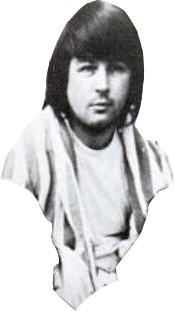
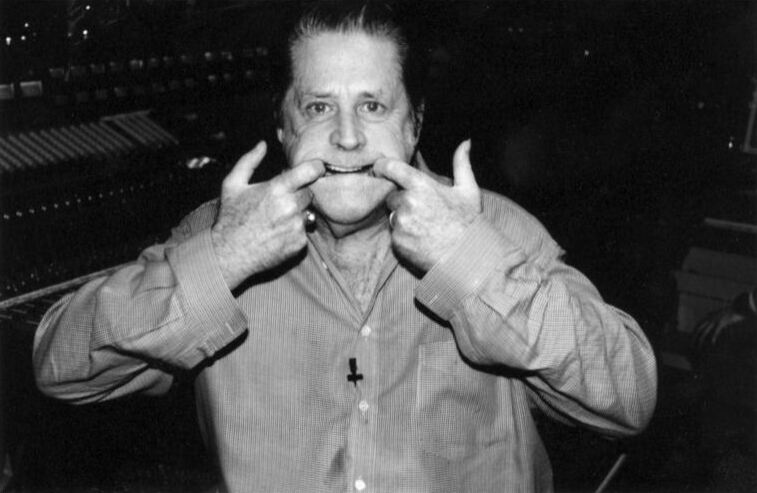

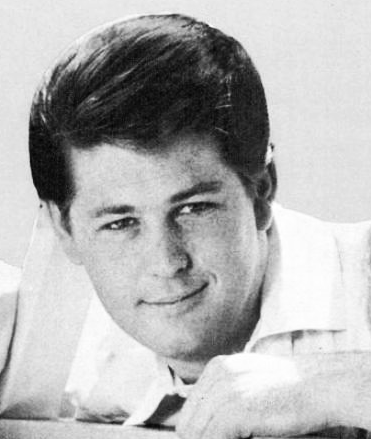
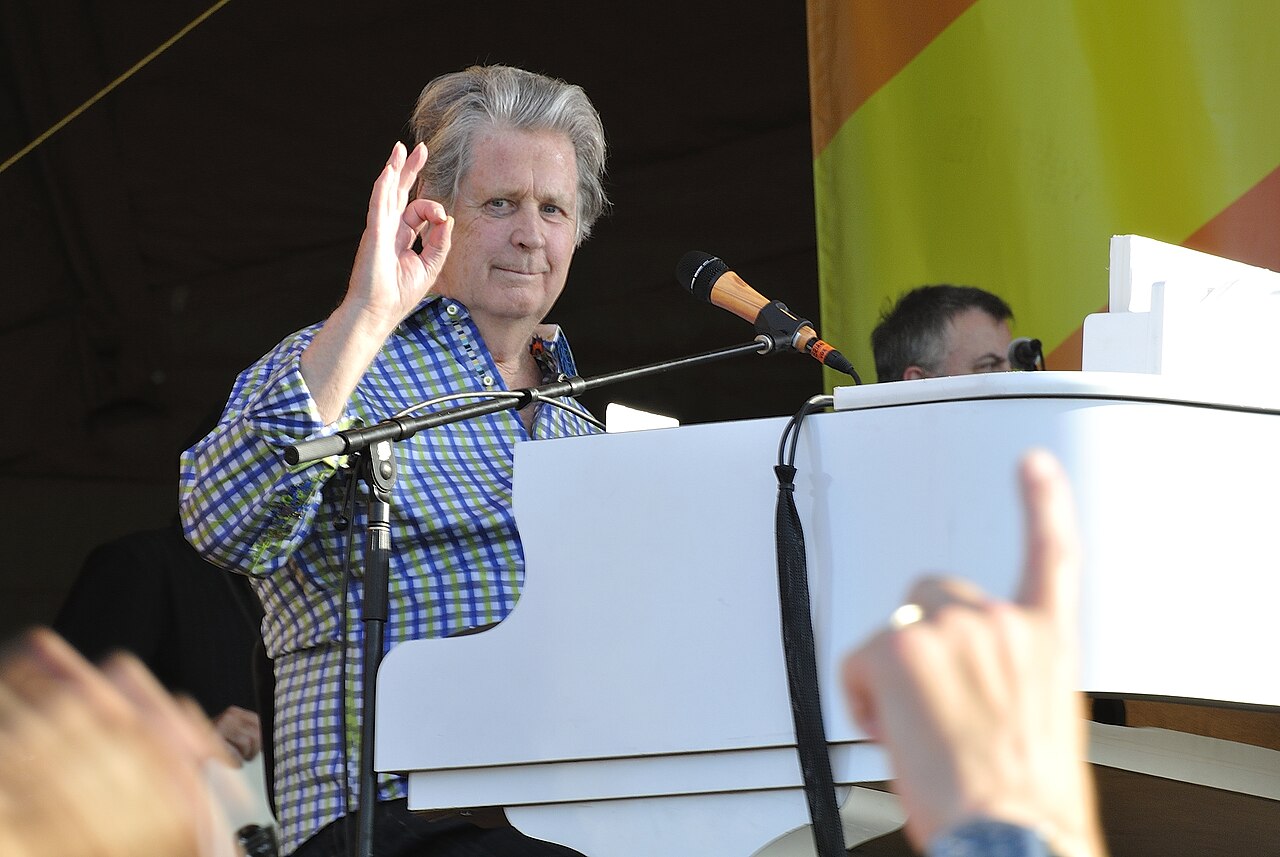
Frequently Asked Questions
Who is Brian Wilson?
Brian Douglas Wilson, born June 20, 1942, is an American musician, singer, songwriter, and record producer best known for co-founding the Beach Boys. He is celebrated for crafting some of the most ambitious and harmonically rich pop records of the 1960s.
What is Brian Wilson most famous for?
He is most widely associated with the 1966 album Pet Sounds, which pushed pop production to new heights of orchestration and vocal layering. His approach to the recording studio—treating it as an instrument in its own right—set a standard that influenced decades of subsequent pop and rock production.
What role did Brian Wilson play in the Beach Boys?
Rather than serving as the lead vocalist or frontman, Wilson was the group's primary songwriter, arranger, and producer. He was responsible for the complex vocal harmonies and studio techniques that became the band's signature sound.
Why is Brian Wilson considered important in music history?
He is regarded as one of the most innovative figures in popular music because he elevated pop songwriting and production into something approaching the ambition of classical composition. His layered harmonies, intricate orchestrations, and studio experimentation expanded what listeners expected from a short pop record.
Did Brian Wilson release solo work outside the Beach Boys?
Yes; he put out solo material most notably with the 1988 album Smile, which finally completed the Beach Boys' long-unreleased 1967 project. His solo recordings continued to showcase his signature interest in dense, emotionally charged pop arrangements.
More in Pop & Rock Solo Artists 1-22
Spotted an error? Know more?
This is a living reference — every entry is fact-audited, and reader corrections feed straight into our audit queue. Suggest an edit · See this site's audit record