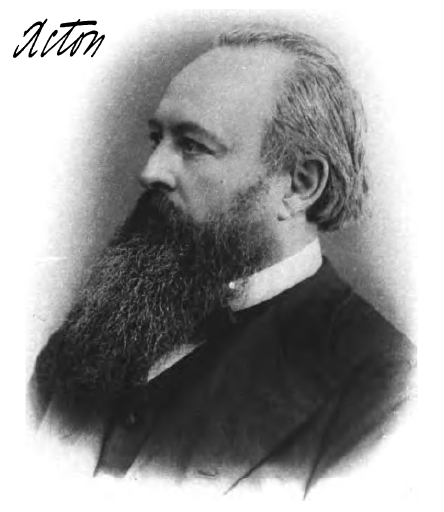
John Dalberg-Acton, 1st Baron Acton
English Catholic historian, Liberal politician, and writer known for his maxim on the corruption of power.
Last updated

Oxenhillshaw · Public domain
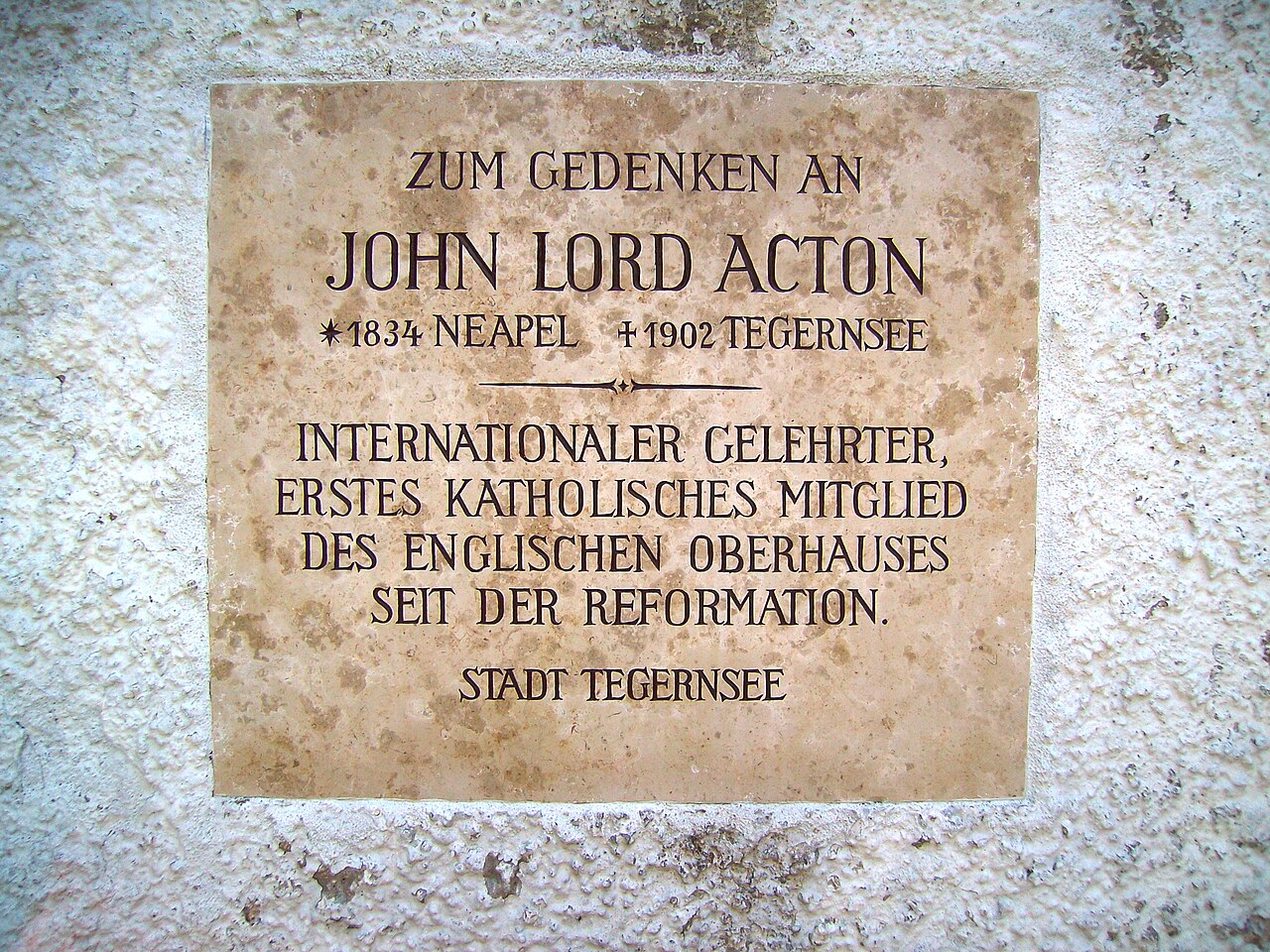
John Emerich Edward Dalberg-Acton, 1st Baron Acton, 13th Marquess of Groppoli, (10 January 1834 – 19 June 1902), better known as Lord Acton, was an English Catholic historian, Liberal politician, and writer. A strong advocate for individual liberty, Acton is best known for his observation on the dangers of concentrated authority. In an 1887 letter to an Anglican bishop, he famously wrote, 'Power tends to corrupt, and absolute power corrupts absolutely', underscoring his belief that unchecked power poses the greatest threat to human freedom. His works consistently emphasised the importance of limiting governmental and institutional power in favour of individual rights and personal liberty.
Early life and background
Born in Naples, Acton was the only son of Sir Ferdinand Dalberg-Acton and a grandson of a Neapolitan admiral and prime minister. His mother, heiress of Herrnsheim in Germany, remarried the 2nd Earl Granville after his father’s death when Acton was three. Raised a Roman Catholic, he was educated at Oscott College under future-Cardinal Nicholas Wiseman and later studied privately in Edinburgh. Denied entry to Cambridge due to his faith, he studied at the University of Munich, living with theologian Johann Joseph Ignaz von Döllinger, who became a lifelong friend and inspired his deep commitment to historical research as a tool for understanding liberty.
Politics
A master of several languages, Acton began amassing a vast historical library to write a "History of Liberty." Politically an ardent Liberal, he entered the House of Commons in 1859 for Carlow, becoming a devoted admirer of Prime Minister William Ewart Gladstone. His parliamentary career ended after a disputed election in 1865. Acton sympathised with the Confederacy during the American Civil War, viewing its defence of states’ rights as a bulwark against centralised tyranny, a stance shared by many English Catholics. Raised to the peerage in 1869 largely through Gladstone’s influence, he was appointed a Knight Commander of the Royal Victorian Order in 1897 and strongly supported Irish Home Rule.
Lore & Background
The only son of Sir Ferdinand Dalberg-Acton, 7th Baronet, and grandson of the Neapolitan admiral and prime minister Sir John Acton, 6th Baronet, Acton was known as Sir John Dalberg-Acton, 8th Baronet, from 1837 to 1869. He was raised as a Roman Catholic, educated at Oscott College under the future-Cardinal Nicholas Wiseman until 1848, then studied privately at Edinburgh. Denied entry to the University of Cambridge because he was a Catholic, he went to Munich where he studied at the Ludwig-Maximilians-Universität München and resided in the house of Johann Joseph Ignaz von Döllinger.
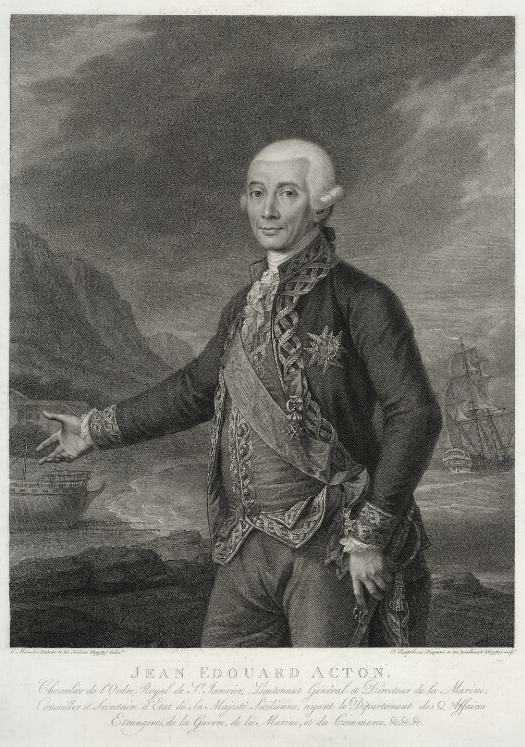
He was a master of principal foreign languages and began early to collect a historical library for a 'History of Liberty'. In politics he was always an ardent Liberal. He was returned to the House of Commons in 1859 for Carlow, but his parliamentary career ended after the 1865 general election.
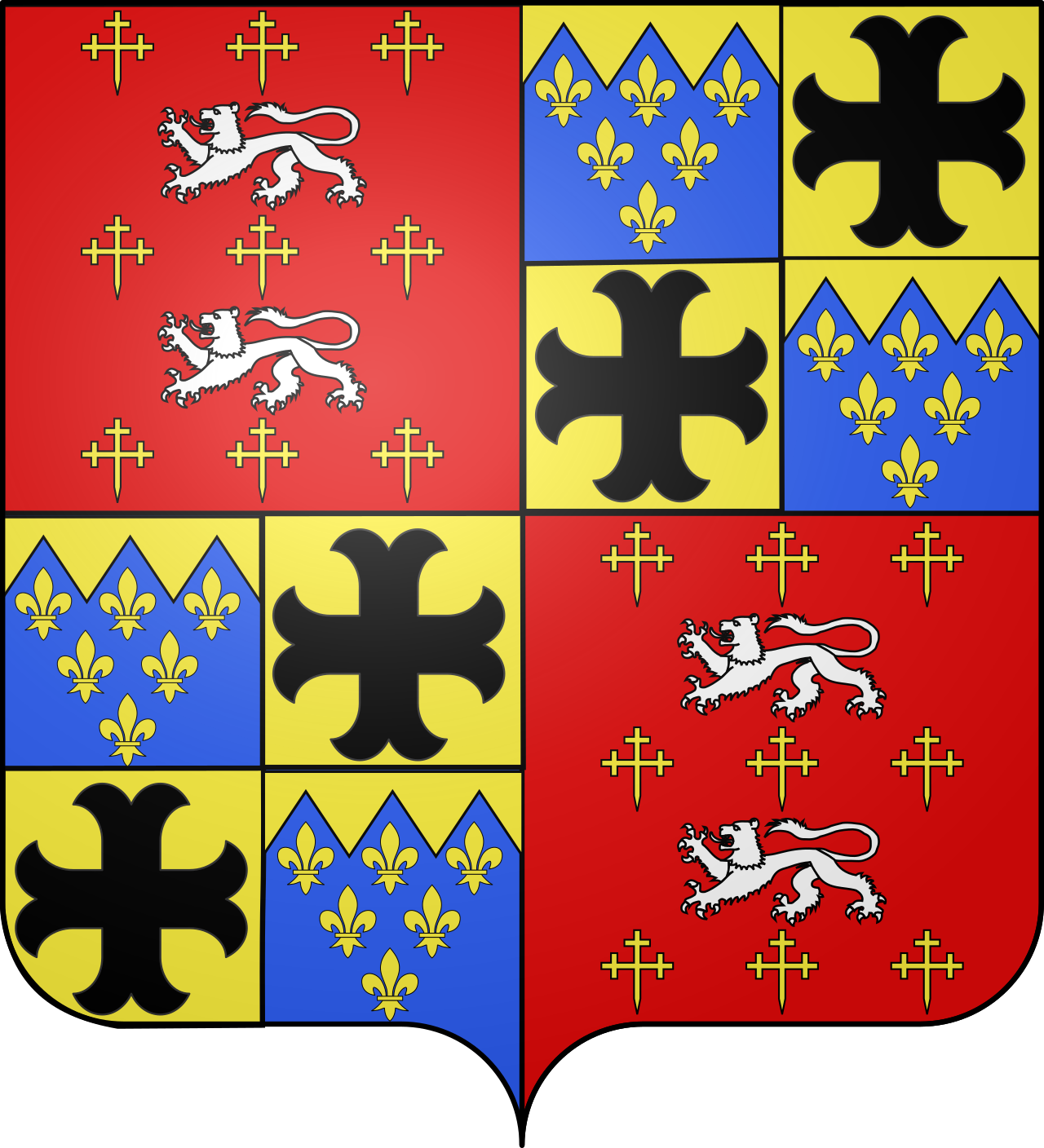
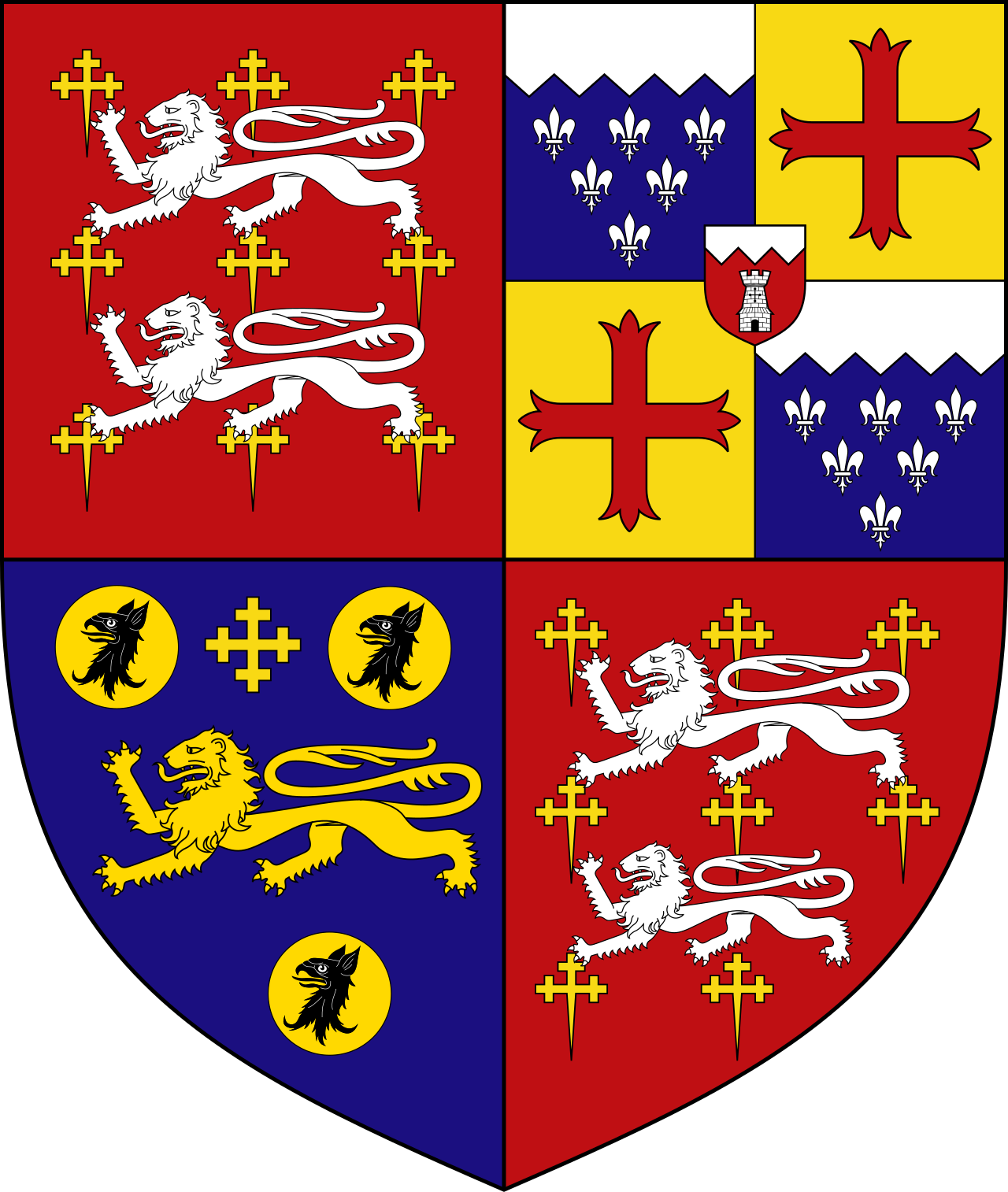
In 1869, Queen Victoria raised him to the peerage as Baron Acton, of Aldenham in the County of Shropshire, primarily through the intercession of Gladstone. He was appointed a Knight Commander of the Royal Victorian Order (KCVO) in the 1897 Birthday Honours. He was a strong supporter of Irish Home Rule.
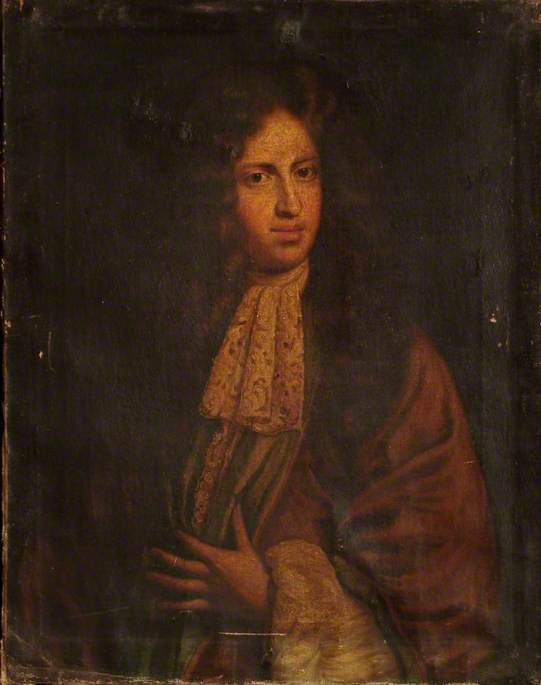
Reader's Guide
Acton became editor of the Roman Catholic monthly paper The Rambler in 1859 upon John Henry Newman's retirement. In 1862 he merged it into the Home and Foreign Review. His independence of thought brought him into conflict with the church hierarchy; in August 1862 Cardinal Wiseman publicly censured the Review. In 1864, after Döllinger's appeal at the Munich Congress, the pope issued a declaration that Catholic writers' opinions were subject to the authority of the Roman congregations, and Acton stopped publication of his monthly periodical.
He continued contributing to the North British Review. In 1870, along with Döllinger, he opposed the moves to promulgate the doctrine of papal infallibility in the First Vatican Council, travelling to Rome to lobby against it, ultimately unsuccessfully. He did not become an Old Catholic and continued attending Mass regularly. In an April 1887 letter to Mandell Creighton he made his most famous pronouncement: 'Power tends to corrupt, and absolute power corrupts absolutely.'
Did You Know?
- Acton's father died in Paris when he was three.
- He wrote to Robert E. Lee after the South's surrender, saying 'I mourn for the stake which was lost at Richmond more deeply than I rejoice over that which was saved at Waterloo.'
- Matthew Arnold said: 'Gladstone influences all round him but Acton; it is Acton who influences Gladstone.'
More in Political Theorists And Social Scientists
Sources
Compiled from Wikipedia and the sources listed below. Text from Wikipedia is available under CC BY-SA 4.0; this entry is adapted from it.
- Wikipedia: John Dalberg-Acton, 1st Baron Acton (CC BY-SA 4.0).
Spotted an error? Know more?
Reader corrections go straight into our review queue. Suggest an edit · How this site is sourced