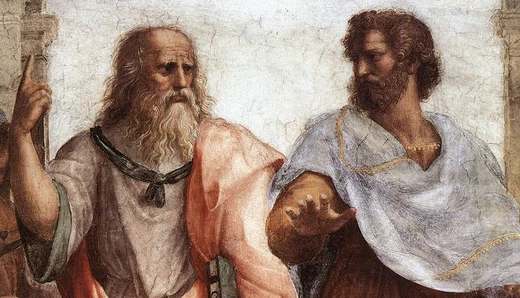
Joseph Déjacque
French anarchist poet who coined 'libertarian' and founded Le Libertaire.
Last updated

Axlferrari · Public domain
Joseph Déjacque was born in Paris in late 1821. His father died when he was very young, and his mother, a washerwoman, paid for his schooling in Faubourg Saint-Antoine. He saw the July Revolution of 1830 as a child. At thirteen he left school to work as a paper hanger, later selling wallpaper on Boulevard des Capucines.
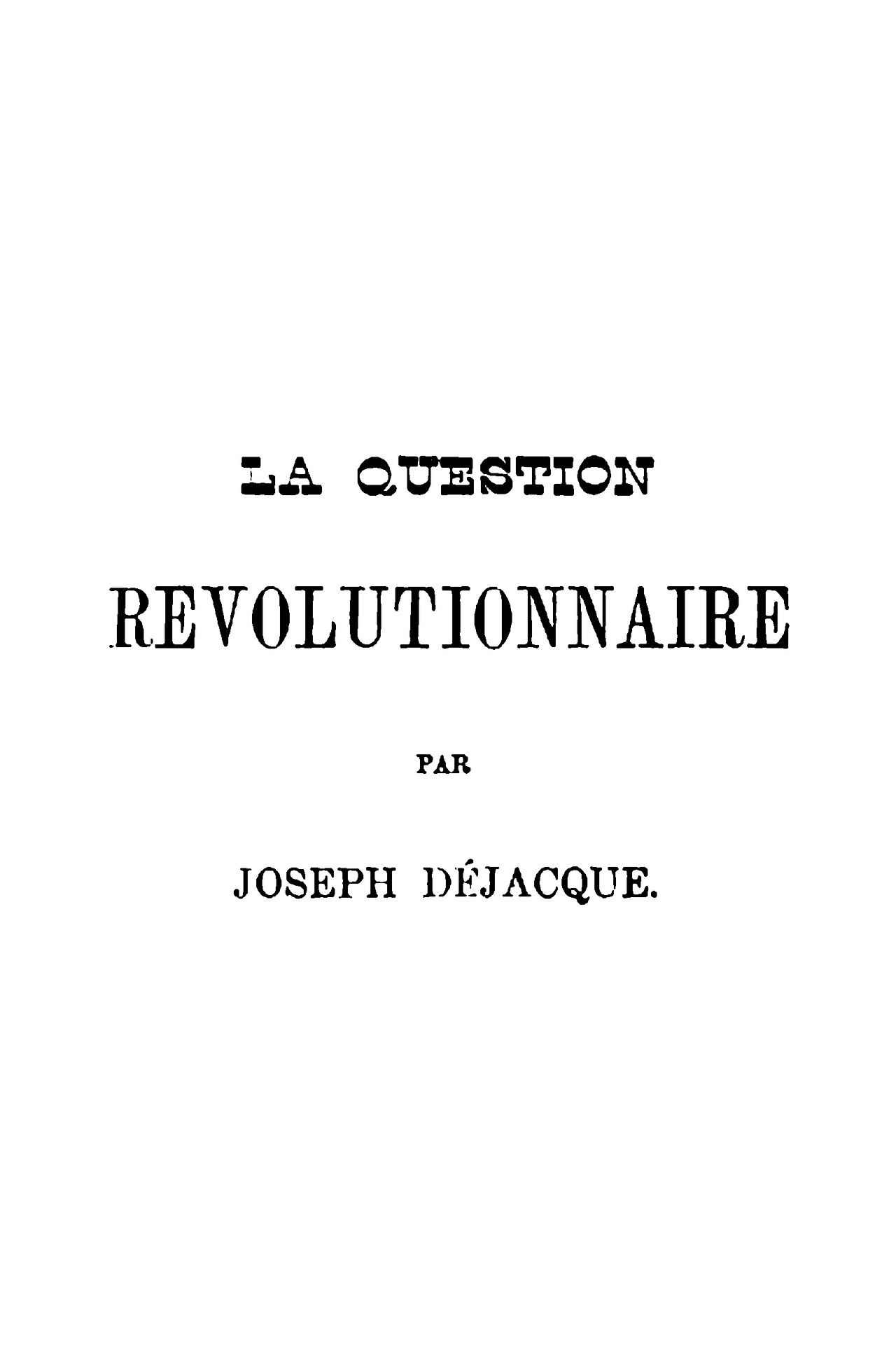
Bored with the trade, he joined the French Navy in 1841 but quickly disliked the military discipline and hierarchy at sea. He returned to selling wallpaper in Paris and by 1847 was self-employed as a house painter. Around this time, he became involved with a radical workers’ group that published the Christian socialist paper L’Atelier, and he taught himself to write what he called “social poetry.”
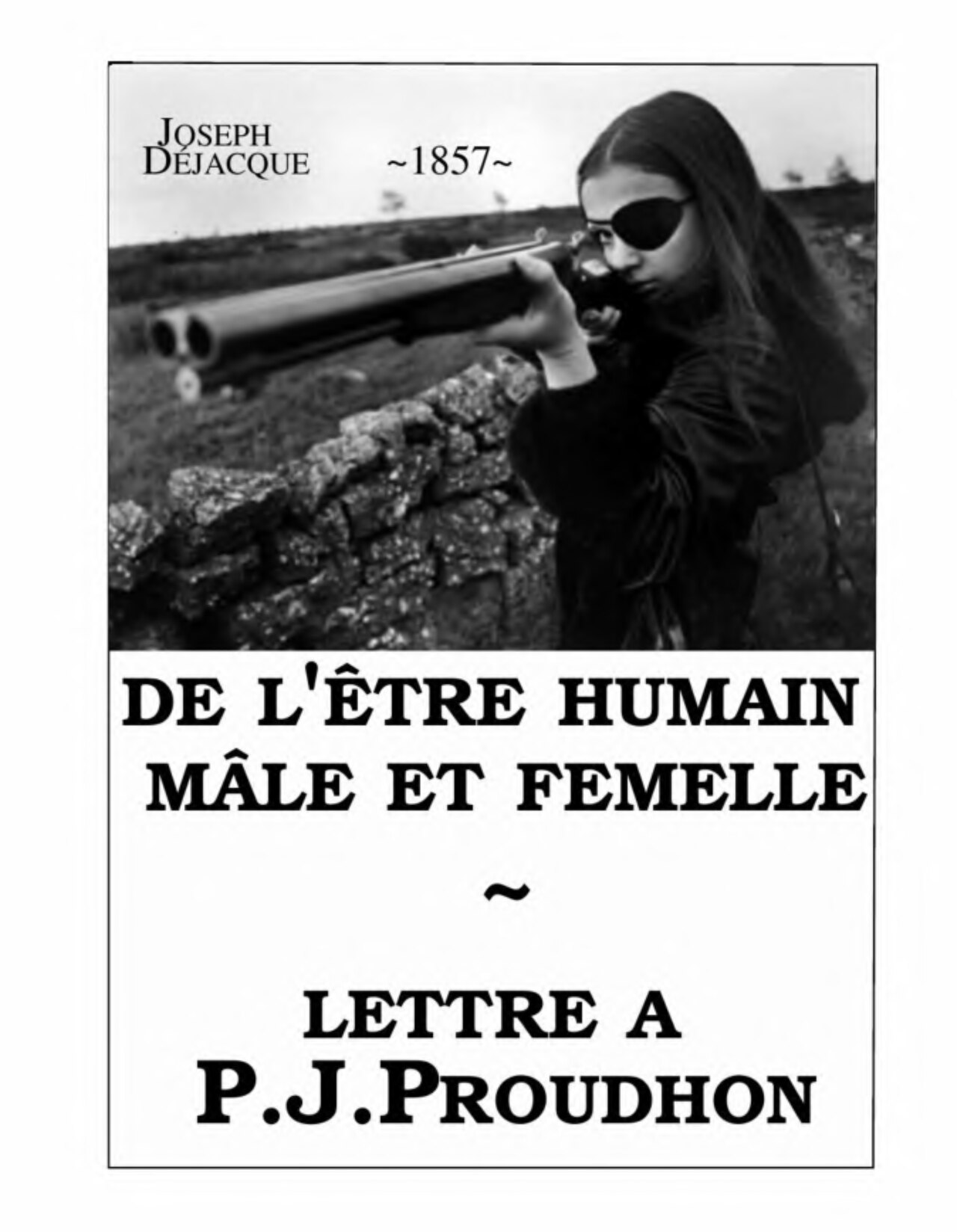
Revolutionary activities (1848–1851)
Together with Ernest Cœurderoy, Déjacque was an active participant in the French Revolution of 1848, which deposed the July Monarchy and established the French Second Republic. But within the month, the subsequent government of the Executive Commission shut down the Workshops and arrested a number of socialist leaders, which brought thousands of workers out into the streets in what became the June Days uprising. Déjacque fought against the government but was arrested when the army crushed the uprising. He was imprisoned at Cherbourg, one of over 15,000 workers deported.
After Louis Napoleon Bonaparte was elected president in December 1848, his government suppressed freedom of association and banned socialist clubs. Déjacque was released in March 1849 but kept running into trouble with the authorities. When a conservative government was elected in June 1849, he and Ernest Cœurderoy joined The Mountain’s uprising against it.
That too was suppressed, and Cœurderoy fled to Switzerland. Déjacque wrote a collection of romantic poetry, Les Lazaréenes, Fables et Poesies Sociales, published in August 1851, which addressed class conflict, social injustice, and the authoritarianism of religion and politics. In October 1851 he was charged with incitement over the book’s anti-authoritarian themes and sentenced to two years in prison. During the reactionary period of the Second French Empire, the socialist press was banned, but French anarchist thought grew abroad.
Lore & Background
Joseph Déjacque was a French political journalist and poet by trade, though he originally worked as a house painter. He was born in Paris in 1821; his father died when he was an infant, and his mother supported them as a washerwoman, paying for his early schooling in Faubourg Saint-Antoine. He left school in 1834 to work as a paper hanger and later sold wallpaper, but found the work tedious. After a brief, disillusioning stint in the French Navy in 1841, he returned to Paris and by 1847 was self-employed as a house painter.
During the 1840s, he became involved with a radical workers’ group that published a Christian socialist journal, and he taught himself to write what he called “social poetry.” His experiences during the 1848 Revolution—fighting on the barricades in the June Days uprising, for which he was arrested and imprisoned—radicalised him toward anarchism. He regularly criticised republican politicians for their anti-worker sentiment. His poetry, which dealt with class conflict and social injustice, led to a two-year prison sentence for incitement in 1851.
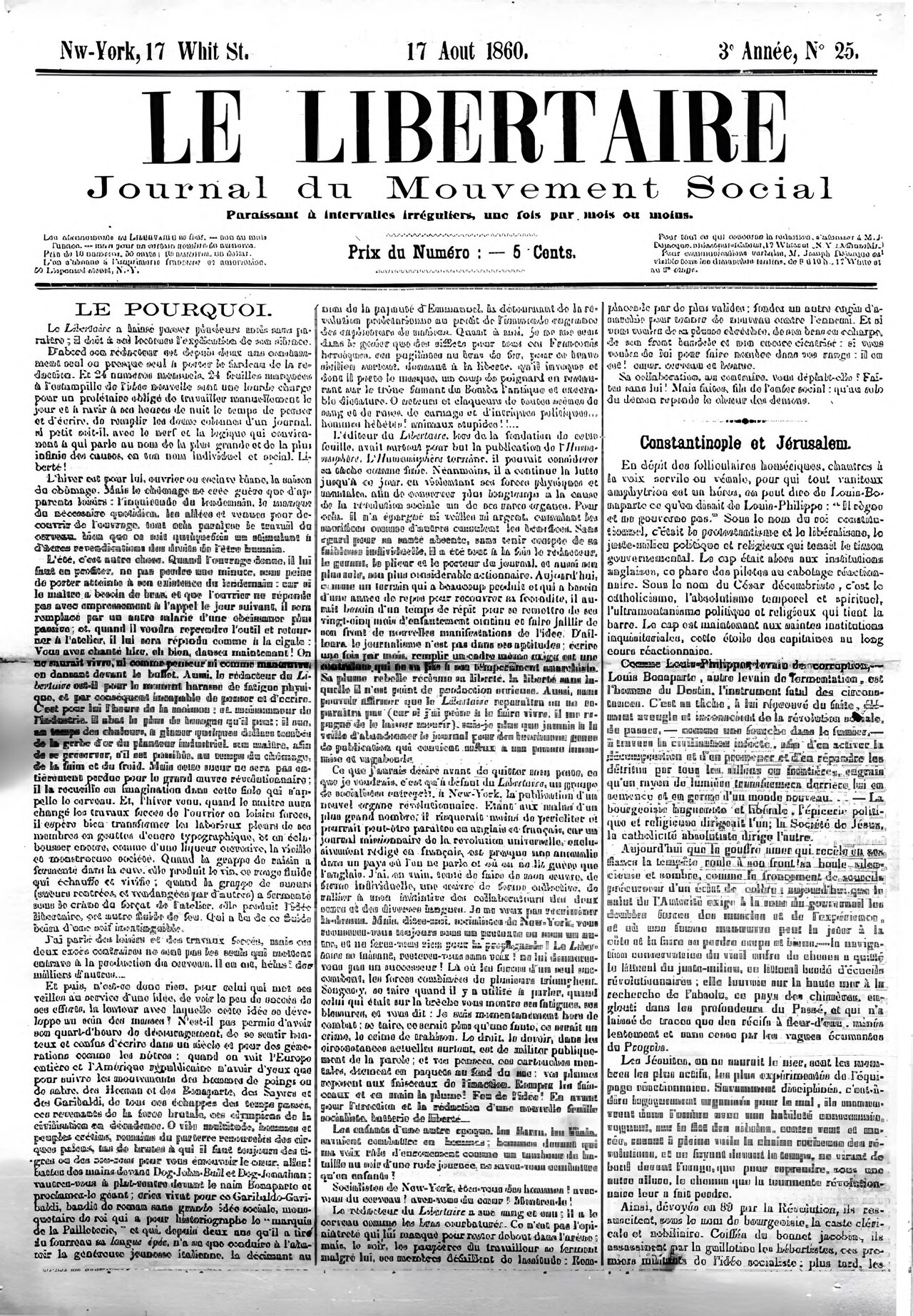
Forced into exile, he lived in London and Jersey before emigrating to the United States, where he became a controversial firebrand in New York City, helping to establish the International Association in 1855. He later moved to New Orleans, agitating for the abolition of slavery through social revolution and defending gender equality. Unable to find a publisher due to his abolitionist views, he returned to New York and founded Le Libertaire, the first non-English-language anarchist newspaper in the United States, in which he serialised his utopian novel L’humanisphère. He is remembered for coining the political definition of the word “libertarian.” He died in obscurity in France in 1865.
Reader's Guide
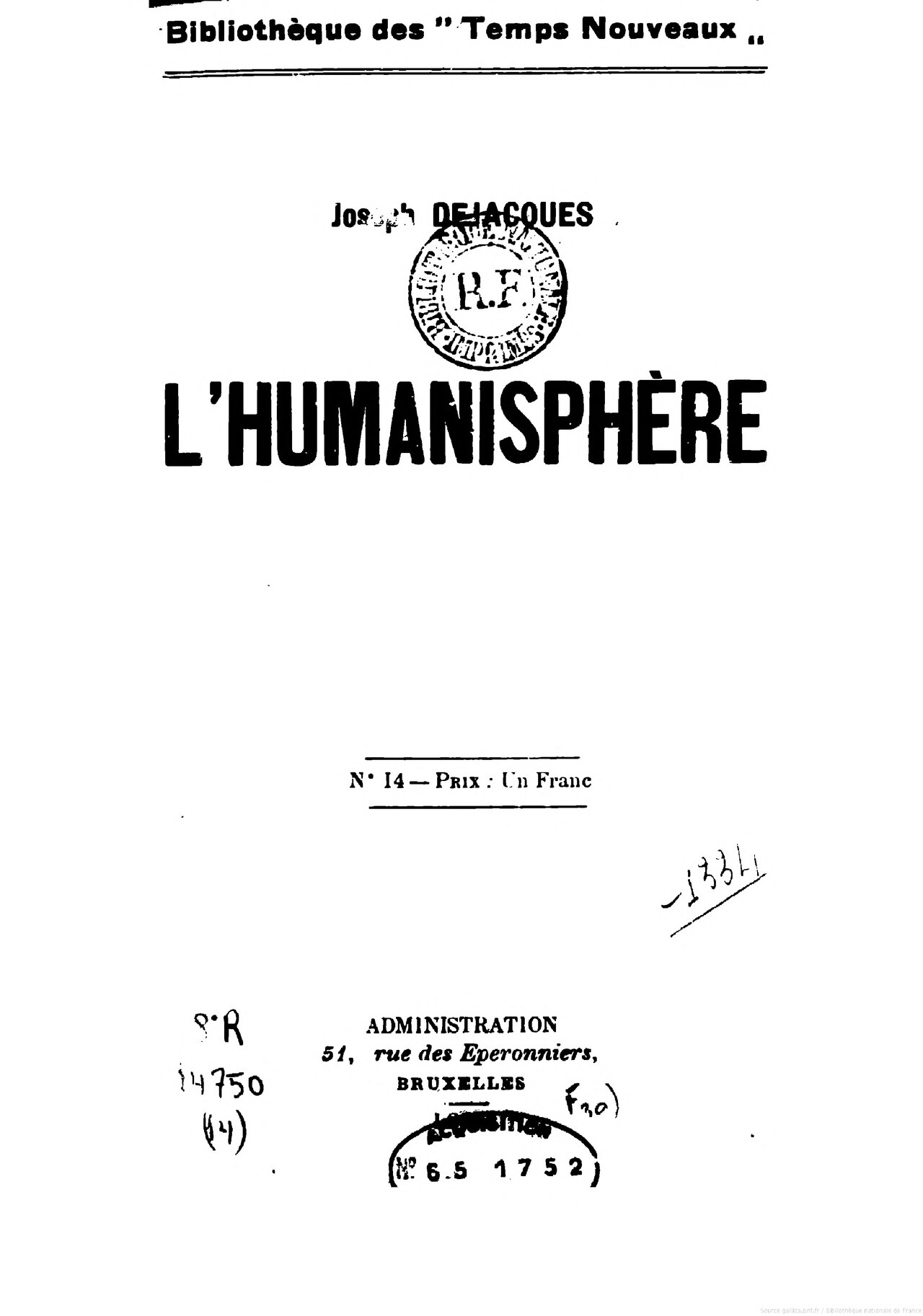
Joseph Déjacque's significance lies in his role as an early anarchist communist and his linguistic legacy. He coined the political definition of the word 'libertarian' (French: libertaire), a term that would become central to anarchist movements worldwide. In exile in the United States, he established Le Libertaire in New York City, the first non-English-language anarchist newspaper in the country, in which he serialized his utopian fiction novel L'humanisphère. Though he died in obscurity after returning to France, his writings and organizational efforts influenced later anarchist thought, particularly in linking anti-authoritarianism with anti-capitalism and gender equality.
More in Political Theorists And Social Scientists
Sources
Compiled from Wikipedia and the sources listed below. Text from Wikipedia is available under CC BY-SA 4.0; this entry is adapted from it.
- Wikipedia: Joseph Déjacque (CC BY-SA 4.0).
Spotted an error? Know more?
Reader corrections go straight into our review queue. Suggest an edit · How this site is sourced