Alexander Dubček
Slovak leader of the Prague Spring and reform communism.

Dezidor · CC BY-SA 3.0
Alexander Dubček, a Slovak statesman born on 27 November 1921 in Uhrovec, is remembered for leading Czechoslovakia through a brief period of liberalization known as the Prague Spring. He served as the de facto leader of the country from January 1968 to April 1969, holding the position of First Secretary of the Presidium of the Central Committee of the Communist Party of Czechoslovakia. His tenure was marked by the slogan "Socialism with a human face," under which he pushed for cultural and economic reforms. These changes faced opposition from conservative party members who benefited from the Stalinist economy, as well as from Soviet-bloc neighbors concerned about contagion, Western subversion, strategic risks, and loss of institutional power. On the night of 20–21 August 1968, half a million Warsaw Pact troops invaded Czechoslovakia, aiming to enable a conservative coup. That coup failed due to the lack of a viable pro-Soviet replacement and Dubček’s unexpected popularity. Soviet intervention then fueled a period of maneuvering between reformers and conservatives, with the latter using Soviet influence to reverse the Prague Spring reforms. Dubček was forced to resign in April 1969 and was succeeded by Gustáv Husák. He was expelled from the Communist Party in 1970 during a purge that removed nearly two-thirds of the 1968 party membership, mostly younger post-Stalin communists and technical experts.
Dubček’s early life shaped his political path. When he was three, his family moved to the Soviet Union, settling in an Esperantist and Idist industrial cooperative called Interhelpo in Kyrgyzstan. They lived in Pishpek (now Bishkek), where conditions were harsh—his son Pavol later noted that the first generation of immigrant children suffered typhus and that returning was impossible at the time. In 1933, the family moved to Gorky (now Nizhny Novgorod). In 1938, Stalin ordered them to renounce their Czechoslovak citizenship to stay, so they chose to return. At 17, Alexander joined the illegal Communist Party of Slovakia and worked as a factory worker in Dubnica nad Váhom, learning his first trade alongside his brother Július and childhood friend Anna Borsekova. During World War II, he fought against the pro-German Slovak state led by Jozef Tiso, joining the Jan Žižka partisan brigade in the Slovak National Uprising in August 1944. His brother died in the uprising, and Alexander was wounded twice, recovering with Anna’s help at the Peterov family home in Velčice. His father, Štefan, had been a party member since 1921 and printed party papers and left-wing publications. The family relied on personal networks rather than party cells, moving frequently, and after the arrest of much of the KSS leadership in 1942, they continued their work.
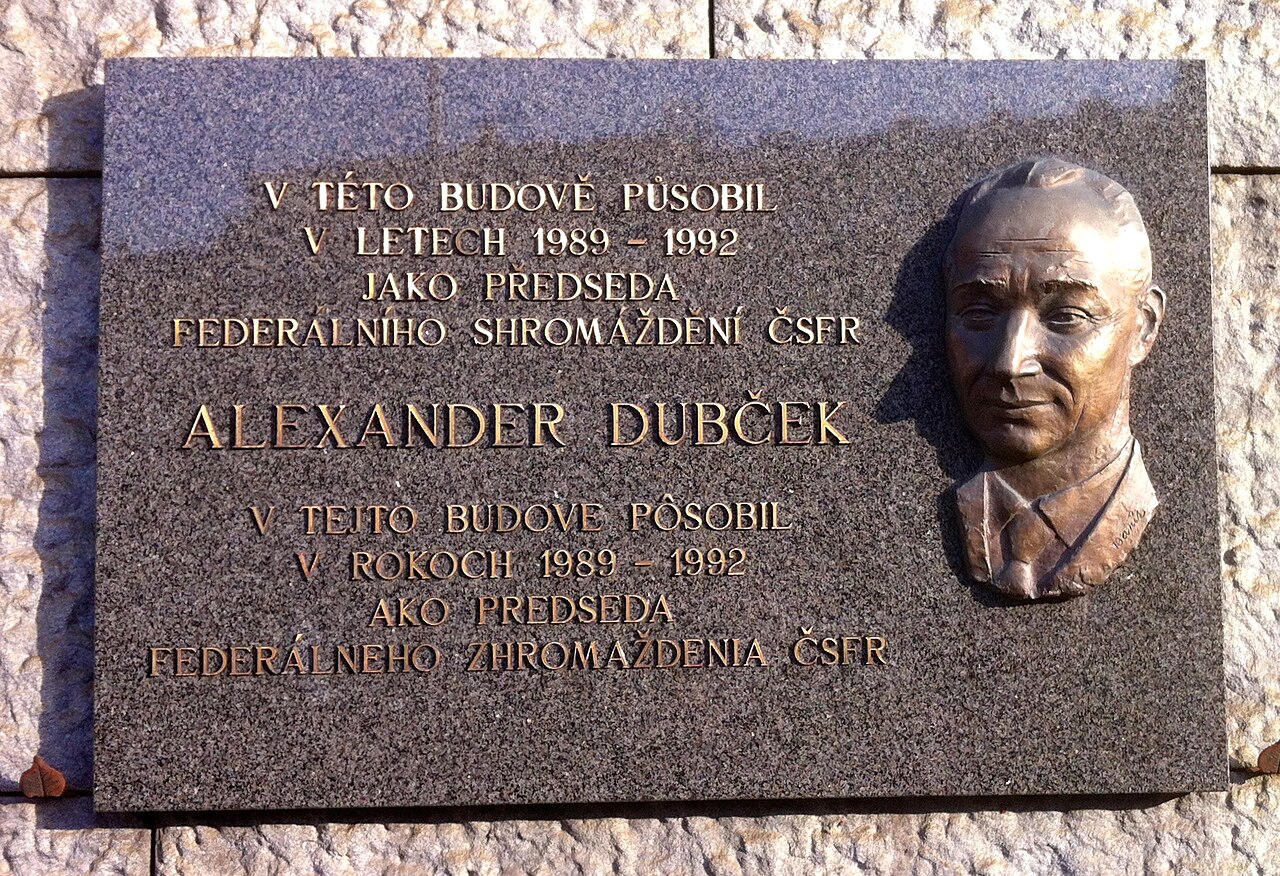
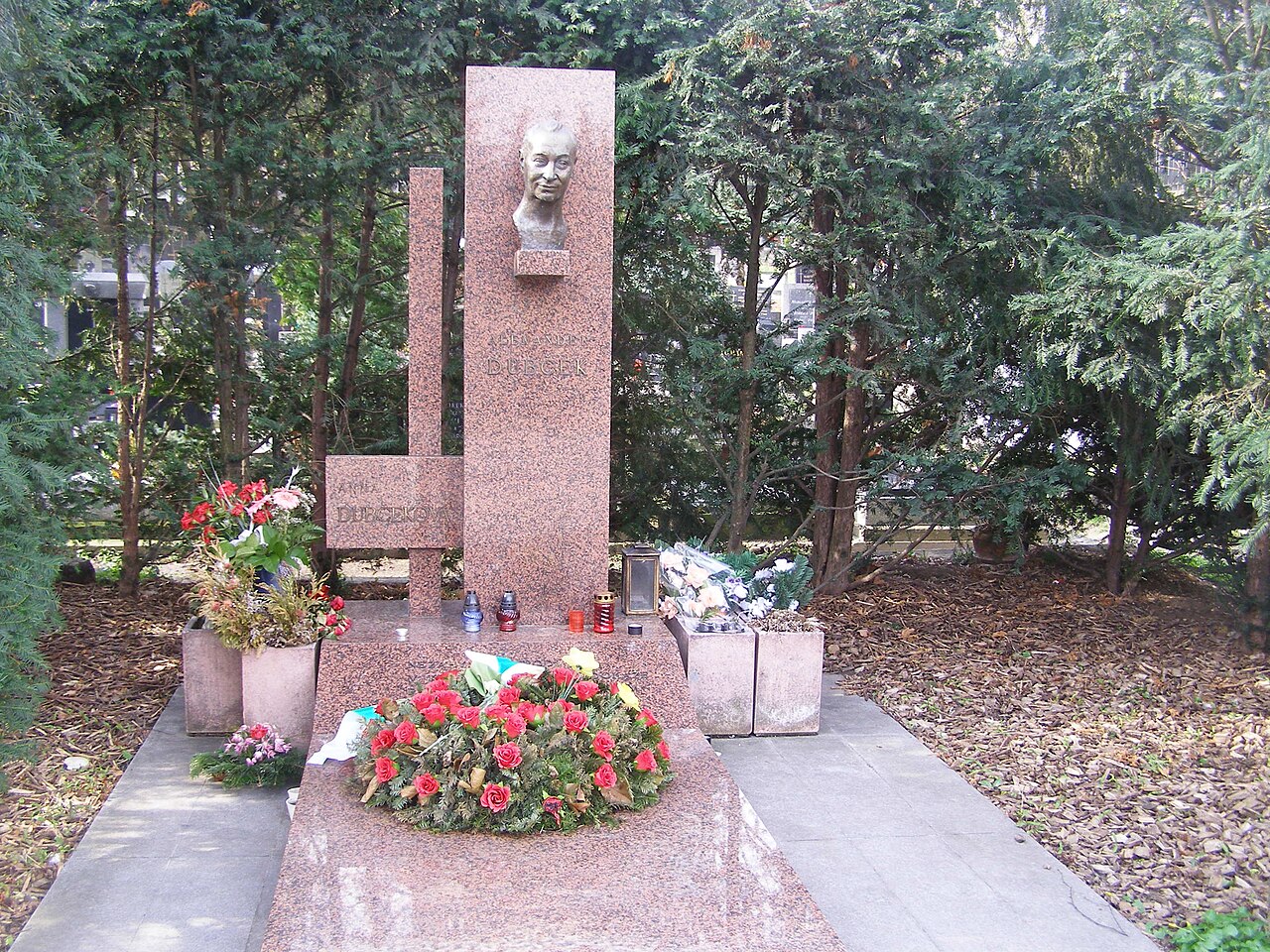
After the Prague Spring, Dubček withdrew from high politics but remained a symbolic leader for Eurocommunism, keeping intermittent contact with reformers in Italy and the Soviet Union. During the Velvet Revolution in 1989, he served as Chairman of the federal Czechoslovak parliament and competed for the presidency with Václav Havel. That same year, the European Parliament awarded him the Sakharov Prize. Andrei Sakharov, shortly before his death, credited Dubček and the Prague Spring as his inspiration, writing that the "breath of freedom" under Dubček was a prologue to the peaceful revolutions in Eastern Europe. Dubček died in an automobile crash on 7 November 1992, still an important political figure, with many viewing him as the destined future president of newly-formed Slovakia.
- died
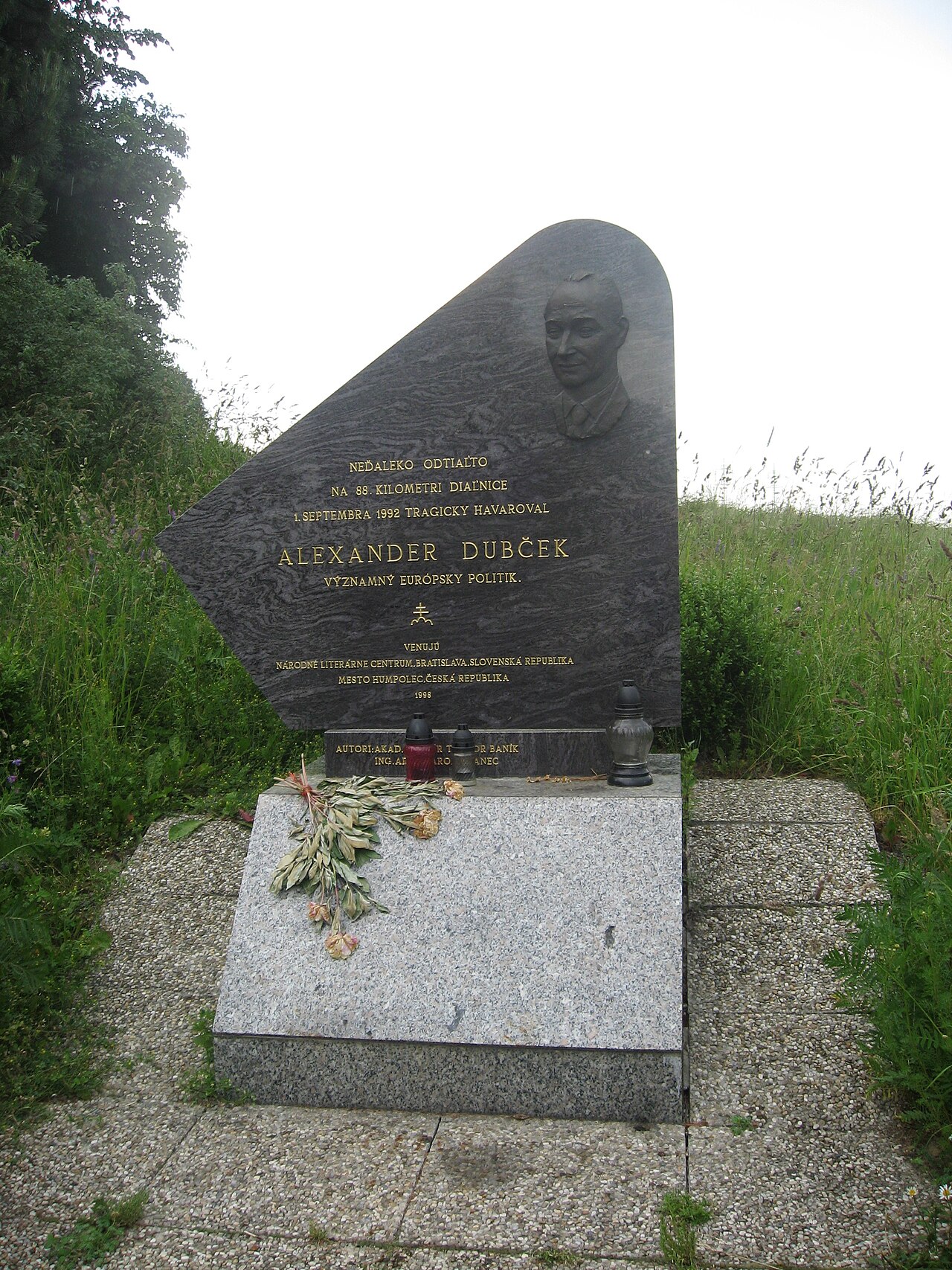
- 7 November 1992 from injuries sustained in a car crash on 1 September 1992
Verified Timeline
Lore & Background
Alexander Dubček was born in Uhrovec, Czechoslovakia (now part of Slovakia), on 27 November 1921. When he was three years old, the family moved to the Soviet Union. He spent most of his childhood living in a utopian Esperantist and Idist industrial cooperative, Interhelpo, in Kyrgyzstan, in Pishpek (now Bishkek). In 1933 the family moved to Gorky, now Nizhny Novgorod. In 1938, the family chose to return to Czechoslovakia rather than renounce their Czechoslovak citizenship. At 17 years old, Alexander joined the then-illegal Communist Party of Slovakia (KSS), working as a factory worker in Dubnica nad Váhom. Dubček and his brother fought against the wartime pro-German Slovak state. In August 1944 they joined the Jan Žižka partisan brigade during the Slovak National Uprising. His brother died in the uprising. Dubček was wounded twice; the second time he was sent to the Peterov family in Velčice to recover. Because of his participation in the uprising, Dubček was targeted by authorities during the Stalinist period. Dubček married childhood friend Anna Borseková in September 1945. He began studies at Comenius University in Bratislava, then attended the University of Politics in Moscow from 1955 to 1958. He rose through party ranks as a functionary in Trenčín, Bratislava, and Banská Bystrica. In January 1968 he became First Secretary and initiated the Prague Spring reforms. On the night of 20–21 August 1968, Czechoslovakia was invaded by half a million Soviet-led Warsaw Pact troops. Dubček was forced to resign as party head in April 1969, succeeded by Gustáv Husák. He was expelled from the Communist Party in 1970, amid a purge that eventually expelled almost two-thirds of the 1968 party membership. During the Velvet Revolution in 1989, Dubček served as Chairman of the federal Czechoslovak parliament and contended for the presidency with Václav Havel. The European Parliament awarded Dubček the Sakharov Prize the same year. He died in an automobile crash in 1992. At the time of his death, many saw him as the destined future president of newly-formed Slovakia.
Reader's Guide
Alexander Dubček's significance lies in his leadership of the Prague Spring, a period of attempted liberalization within a communist framework. His slogan "Socialism with a human face" encapsulated efforts to accelerate cultural and economic liberalization in Czechoslovakia. Reforms were opposed by conservatives inside the party and interests in the neighbouring Soviet-bloc. For reasons of institutional interests in the Soviet Union such as those of the military and KGB, false reports, and growing concern that Dubček was no longer able to maintain control, Czechoslovakia was invaded by half a million Soviet-led Warsaw Pact troops on the night of 20–21 August 1968. This was intended to enable a coup by conservative forces, but that coup could not materialize due to lack of a viable pro-Soviet replacement leadership and the unexpected extraordinary popularity of Dubček and the reformist leadership. Dubček was forced to resign in April 1969, succeeded by Gustáv Husák. He was expelled from the party in 1970 during a purge that expelled almost two-thirds of the 1968 party membership. During the Velvet Revolution in 1989, Dubček served as Chairman of the federal Czechoslovak parliament and contended for the presidency with Václav Havel. The European Parliament awarded Dubček the Sakharov Prize the same year. Andrei Sakharov wrote, "I am convinced that the 'breath of freedom' which the Czechs and the Slovaks enjoyed when Dubček was their leader was a prologue to the peaceful revolutions now taking place in eastern Europe and Czechoslovakia itself." Sakharov credited Dubček and the Prague Spring as his inspiration. Dubček died in an automobile crash in 1992, remaining an important political figure.
Did You Know?
- Dubček spent most of his childhood living in a utopian Esperantist and Idist industrial cooperative called Interhelpo in Kyrgyzstan.
- At 17 years old, Dubček joined the then-illegal Communist Party of Slovakia (KSS).
- Dubček's brother Július died in the Slovak National Uprising.
- Dubček was expelled from the Communist Party in 1970 amid a purge that expelled almost two-thirds of the 1968 party membership.
- Andrei Sakharov credited Dubček and the Prague Spring as his inspiration for the peaceful revolutions of 1989.
Gallery
More in Political Leaders & Revolutionaries 1-24
Spotted an error? Know more?
This is a living reference — every entry is fact-audited, and reader corrections feed straight into our audit queue. Suggest an edit · See this site's audit record