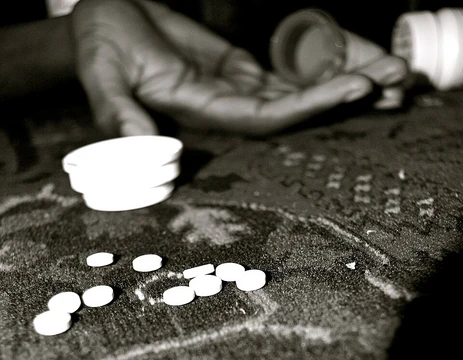
Kosovo student poisoning
Mass poisoning of Kosovar students by toxic gases in 1990.

In March 1990, a wave of illness struck Kosovo’s schoolchildren, ultimately affecting nearly 8,000 students. The first cases appeared on 20 March at a high school in Podujevë, where a few pupils fell ill. By 22 March, the situation escalated: around 200 students and local residents in Podujevë showed symptoms, and many were rushed to Pristina for first aid. That same day, schools in Ferizaj, Vushtrri, Prizren, and Lipjan reported outbreaks, with dozens to hundreds affected. Over the following days and into June, more schools across Kosovo—including in Kamenica, Mališevo, Gjakova, Suva Reka, Deçan, and Pristina—recorded cases. Victims often described finding a white powder on their desks; touching it led to frothing at the mouth, cramps, and fainting. Many also experienced vomiting, violent convulsions, inflamed eyes, and a distinct facial flushing. The illness, initially dubbed the “mysterious disease” due to a lack of information, continued to strike throughout the year, sickening 7,421 Albanian Kosovars in total. A few Serbs and other nationalities were affected as well, showing the same symptoms but in smaller numbers.
Albanian and foreign nuclear experts later investigated, but no common conclusion emerged. Dr. Bernard Benedetti of Médecins du Monde, who was in Kosovo during the crisis, had samples analyzed by two French labs; results suggested a poison similar to the pesticide lindane. Albanian doctors appealed to Serbian authorities for an independent international investigation, but the request was rejected. Meanwhile, Albanian students were denied medical care and accused of lying. Many victims received first aid from Catholic nuns, particularly in Viti, who treated young people in improvised hospitals and ambulances. The Faculty of Medicine at the University of Pristina formed a joint Albanian-Serbian doctor group on 22 March, announcing an epidemic but withholding further details until blood and urine analyses were complete.
- Date of incident
- 22 March 1990
- Total affected students
- nearly 8,000
- Total affected albanian kosovars
- 7,421
- First affected school
- Đuro Đaković High School, Podujevë
- Date first cases appeared
- 20 March 1990
- Suspected poison
- a poison similar to the pesticide lindane (per Dr. Bernard Benedetti)
- Number of laboratories analyzing samples
- 2 (in France)
Lore & Background
In March 1990, several months after the Serbian government unilaterally segregated schools in Kosovo, a mysterious illness emerged, primarily affecting schoolchildren. The first victims were students at 'Đuro Đaković' High School in Podujevë on 20 March 1990, who detected a 'white powder' on their desks; upon poking it, they quickly developed froth around the mouth, cramps, and fainting. Panic escalated on 22 March when around 200 pupils and local residents in Podujevo showed symptoms, and many were driven to Pristina for first aid. The illness spread rapidly to numerous schools across Kosovo, including 'Moša Pijade' in Ferizaj, 'Muharem Bekteši' in Vushtrri, and others, with hundreds affected daily. By late May and June, cases appeared in Pristina, and Catholic nuns in Viti provided first aid in improvised hospitals. A few Serbs and other nationalities were also affected, showing the same symptoms.
Reader's Guide
The significance of the Kosovo student poisoning lies in the persistent dispute over its cause and the lack of a conclusive investigation. Research by Albanian and foreign nuclear experts failed to reveal a common conclusion. Dr. Bernard Benedetti, a French doctor for Médecins du Monde, secretly obtained blood samples from 150 patients and had them analyzed by two laboratories in Paris, suggesting involvement of a poison similar to the pesticide lindane. However, Serbian authorities rejected Albanian doctors' appeals for an independent international investigation, and Albanian students were denied medical care, accused of 'lying'. Serbian doctors, including Dr. Balošević, dismissed the events as 'pure acting' or a 'psychogen reaction' and 'mass hysteria', while Albanian doctors like Jusuf Dedushaj fiercely denied psychic causes, noting that such hysteria would have appeared earlier in 1989. The legacy includes allegations of political suppression, with Albanian doctors facing police detention, phone interception, and threats, and Dr. Flora Brovina being imprisoned in the 1990s for her statements.
Did You Know?
- Dr. Bernard Benedetti secretly obtained blood samples from 150 patients and had them analyzed in two Paris laboratories.
- Serbian doctors claimed the events were 'pure acting' or a 'psychogen reaction' and 'mass hysteria'.
- Albanian doctors appealed for an independent international investigation, but the Serbian side rejected it.
More in Poisoning by Drugs, Medicaments and Biological Substances 1-24
Spotted an error? Know more?
Reader corrections go straight into our review queue. Suggest an edit · How this site is sourced