Mocha Island
Chilean island with historic shipwrecks and Mapuche mythological significance.

via Wikipedia: Mocha Island · see source
Mocha Island (Spanish: Isla Mocha) is a Chilean island located west of the coast of Arauco Province in the Pacific Ocean. The island is the location of numerous historic shipwrecks. In Mapuche mythology, the souls of dead people travel west to visit this island. The waters off the island are a popular place for recreational sea fishing.
Quick Facts
- Location
- South-central Chile
- Area (km²)
- 48
- Elevation (m)
- 300
- Country
- Chile
- Population
- ~800
- Ethnic groups
- Chileans, Mapuches
Facts from the source article.
Did You Know?
- Mocha Dick, a sperm whale from the waters off the island, inspired the fictional whale Moby Dick in Herman Melville's 1851 novel.
- In December 2007, human skulls with Polynesian features (pentagonal shape when viewed from behind) were found in a Concepción museum, originating from Mocha Island.
History
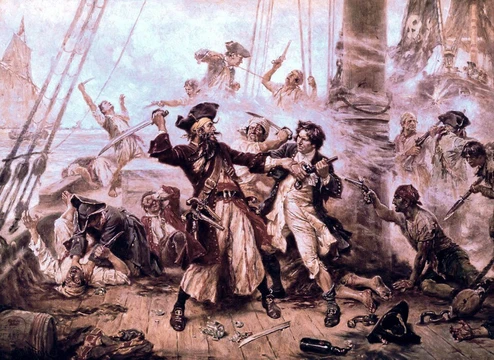
The island was historically inhabited by the Lafkenches, a coastal Mapuche population. Juan Bautista Pastene documented it in 1544. In 1614, Dutch captain Joris van Spilbergen observed native Mapuches using chilihueques as plough animals. Pirates and privateers from the Netherlands and England regularly visited; Francis Drake and Olivier van Noort used it as a supply base, and Drake was seriously hurt by Mapuche inhabitants during his circumnavigation.
Richard Hawkins also passed with his ship the Dainty. In 1685, Governor José de Garro transported the Mapuche to a reducción on the plain of the Bio Bio River's right bank, called the Valley of Mocha, later the site of Concepción. The waters off the island were inhabited by sperm whales, including Mocha Dick, depicted by Jeremiah N. Reynolds in 1839, inspiring Herman Melville's Moby-Dick. In 2007, human skulls with Polynesian features were found in a Concepción museum, originating from Mocha Island.
Geography
The island covers about 48 km², with a north–south mountain chain. Geologically, it consists of sedimentary rock of the Ranquil Formation. The 2010 Chile earthquake caused permanent uplift, less than on the adjacent coast; a splay fault called the Tirúa-Mocha Fault may explain this difference. The endemic Pacific degu lives there, and the island is an Important Bird Area for pink-footed shearwaters, Peruvian pelicans, red-legged cormorants, and elegant terns.
More in Piracy in the Pacific Ocean
Spotted an error? Know more?
Reader corrections go straight into our review queue. Suggest an edit · How this site is sourced