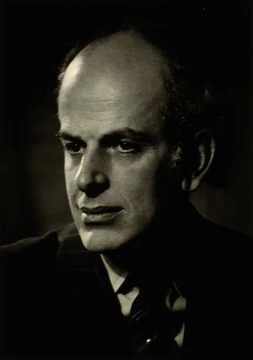
Jan Baptist van Helmont
Chemist, physiologist, and physician from Brussels; coined 'gas'.

Jan Baptist van Helmont, a chemist, physiologist, and physician born in Brussels, lived and worked in the period following Paracelsus, when iatrochemistry was gaining ground. He is sometimes called “the founder of pneumatic chemistry.” Most modern recognition of van Helmont comes from three things: a willow tree experiment that lasted five years, his coining of the word “gas” (taken from the Greek word for chaos), and his views on spontaneous generation.
Van Helmont was the youngest of five children. His mother was Maria (van) Stassaert, and his father, Christiaen van Helmont, worked as a public prosecutor and served on the Brussels council; the couple married in 1567 at the Sint-Goedele church. He was schooled in Leuven but grew restless moving from one science to another without finding satisfaction, so he turned to medicine. He paused his studies to travel for several years through Switzerland, Italy, France, Germany, and England. After returning home, he earned a medical degree in 1599. During the great plague of 1605, he practiced in Antwerp and later wrote a book titled *De Peste* (On Plague), which Isaac Newton reviewed in 1667. In 1609 he received his doctoral degree in medicine. That same year he married Margaret van Ranst, who came from a wealthy noble family. The couple lived in Vilvoorde, near Brussels, and had six or seven children. His wife’s inheritance allowed van Helmont to stop practicing medicine early and devote himself to chemical experiments until his death on 30 December 1644.
Though van Helmont followed the mystic and alchemist Paracelsus, he sharply rejected the errors he saw in most contemporary authorities, including Paracelsus himself. At the same time, he embraced the new experimental approach that produced figures like Santorio Santori, William Harvey, Galileo Galilei, and Francis Bacon. In his posthumously published *Ortus Medicinae* (1648), he made the first known proposal for a randomized controlled trial. The idea was to test two fever treatments: one using the Galenic methods of bloodletting and purging, the other his own approach. He likely never ran the trial but suggested it as a possible experiment. His proposal read: take 200 or 500 poor people with fevers or pleurisy from hospitals or camps, divide them in two by lot, give half to him and half to another practitioner. He would cure without bloodletting or noticeable purging; the other would follow his own knowledge. They would then count the funerals, and the winner would receive 300 florins deposited by each.
Van Helmont observed nature carefully, and his experimental data suggest he grasped the idea of conservation of mass. He was an early experimenter trying to understand how plants gain mass. He considered air and water the two primitive elements. Fire, he argued, was not an element, and earth could not be a true element because it could be reduced to water. He is regarded as the founder of pneumatic chemistry because he first recognized that gases exist distinct from ordinary air and invented the word “gas” from the Greek *chaos*. He noticed that “gas sylvestre”—carbon dioxide—given off by burning charcoal was the same gas produced by fermenting must, and that this gas sometimes made cave air unbreathable.
Van Helmont wrote extensively on digestion. In *Oriatrike or Physick Refined* (1662, an English translation of *Ortus medicinae*), he questioned earlier ideas, such as the notion that food is digested by the body’s internal heat. If that were true, he asked, how could cold-blooded animals survive? He believed digestion was aided by a chemical reagent, or “ferment,” inside the body, for example in the stomach. Some later scholars have said this theory comes very close to the modern concept of an enzyme. He also proposed and described six distinct stages of digestion.
His willow tree experiment is considered one of the earliest quantitative studies of plant nutrition and growth, and a milestone in biology. Published only after his death in *Ortus Medicinae* (1648), it may have been inspired by similar work by Santorio in *Ars de statica medicina* (1614). Van Helmont grew a willow tree, measuring the soil, the tree’s weight, and the water he added. After five years, the plant had gained about 164 pounds (74 kg). Since the soil had lost only 57 grams, he concluded the tree’s weight increase came entirely from water.
Van Helmont also described a recipe for the spontaneous generation of mice: a piece of dirty cloth plus wheat left for 21 days. For scorpions, he recommended basil placed between two bricks and left in sunlight. His notes suggest he may have attempted these procedures.
Though a faithful Catholic, he drew suspicion from the Church because of his tract *De magnetica vulnerum curatione* (1621), written against Jean Roberti. He could not explain the effects of his “miraculous cream,” and the Jesuits argued against him.
- field
- Chemistry, physiology, medicine
- nationality
- Brussels (Spanish Netherlands)
- known_for
- Willow tree experiment, coining 'gas', founder of pneumatic chemistry, spontaneo
Lore & Background
Jan Baptist van Helmont was the youngest of five children of Maria (van) Stassaert and Christiaen van Helmont, a public prosecutor and Brussels council member, who had married in the Sint-Goedele church in 1567. He was educated at Leuven, and after ranging restlessly from one science to another and finding satisfaction in none, turned to medicine. He interrupted his studies, and for a few years he traveled through Switzerland, Italy, France, Germany, and England. Returning to his own country, van Helmont obtained a medical degree in 1599. He practiced at Antwerp at the time of the great plague in 1605, after which he wrote a book titled De Peste (On Plague), which was reviewed by Newton in 1667. In 1609 he finally obtained his doctoral degree in medicine. The same year he married Margaret van Ranst, who was of a wealthy noble family. Van Helmont and Margaret lived in Vilvoorde, near Brussels, and had six or seven children. The inheritance of his wife enabled him to retire early from his medical practice and occupy himself with chemical experiments until his death on 30 December 1644. Van Helmont was a disciple of the mystic and alchemist, Paracelsus, though he scornfully repudiated the errors of most contemporary authorities, including Paracelsus. On the other hand, he engaged in the new learning based on experimentation that was producing men like Santorio Santori, William Harvey, Galileo Galilei, and Francis Bacon. He made the first proposal of a randomized controlled trial, to test two treatment regimes of fever, in the posthumously published Ortus Medicinae (1648). It is likely that he never conducted the trial, and merely proposed it as an experiment that could be conducted. He was a careful observer of nature; his analysis of data gathered in his experiments suggests that he had a concept of the conservation of mass. For Van Helmont, air and water were the two primitive elements. Fire he explicitly denied to be an element, nor could earth be called a true element because, he argued, it could be reduced to water. He perceived that his "gas sylvestre" (carbon dioxide) given off by burning charcoal, was the same as that produced by fermenting must, a gas which sometimes renders the air of caves unbreathable. Van Helmont wrote extensively on the subject of digestion. In Oriatrike or Physick Refined (1662, an English translation of Ortus medicinae), van Helmont considered earlier ideas on the subject, such as food being digested through the body's internal heat. But if that were so, he asked, how could cold-blooded animals live? His own opinion was that digestion was aided by a chemical reagent, or "ferment", within the body, such as inside the stomach. Van Helmont proposed and described six different stages of digestion. Van Helmont described a recipe for the spontaneous generation of mice (a piece of dirty cloth plus wheat for 21 days) and scorpions (basil, placed between two bricks and left in sunlight). His notes suggest he may have attempted to do these things. Van Helmont "had frequent visions throughout his life and laid great stress upon them". His choice of a medical profession has been attributed to a conversation with the angel Raphael.
Reader's Guide
Van Helmont's significance lies in his bridging of alchemical tradition and experimental science. He is considered the founder of pneumatic chemistry for recognizing that gases are distinct from atmospheric air and for coining the term 'gas' from the Greek word chaos. His willow tree experiment is a milestone in quantitative biology: after five years the plant had gained about 164 lbs (74 kg), while the soil lost only 57 grams, leading him to deduce that the tree's weight gain had come entirely from water. His proposal of a randomized controlled trial for testing fever treatments was a pioneering methodological idea, though likely never executed. His work on digestion, proposing a chemical 'ferment', anticipated the concept of enzymes. At the same time, his belief in spontaneous generation and mystical elements such as the archeus and blas reflect his continued ties to alchemical and religious thought. His prosecution by the Inquisition for his writings on sympathetic principles highlights the tension between emerging empirical science and established authority. His posthumously published Ortus Medicinae (1648) collected his works and influenced later chemists and physiologists. Van Helmont's legacy is that of a transitional figure who advanced experimental methods and chemical concepts while retaining a worldview shaped by mysticism and alchemy.
Did You Know?
- Van Helmont derived the word 'gas' from the Greek word chaos (χᾰ́ος).
- His 5-year willow tree experiment showed a gain of about 164 lbs (74 kg) while the soil lost only 57 grams.
- He proposed a randomized controlled trial for fever treatments in Ortus Medicinae (1648), but likely never conducted it.
- He described a recipe for spontaneous generation of mice using a dirty cloth and wheat for 21 days.
- His choice of a medical profession was attributed to a conversation with the angel Raphael.
More in Pioneers Of Modern Medicine 1-19
Spotted an error? Know more?
This is a living reference — every entry is fact-audited, and reader corrections feed straight into our audit queue. Suggest an edit · See this site's audit record