
Heraclitus
Pre-Socratic philosopher known for his doctrine of universal flux.

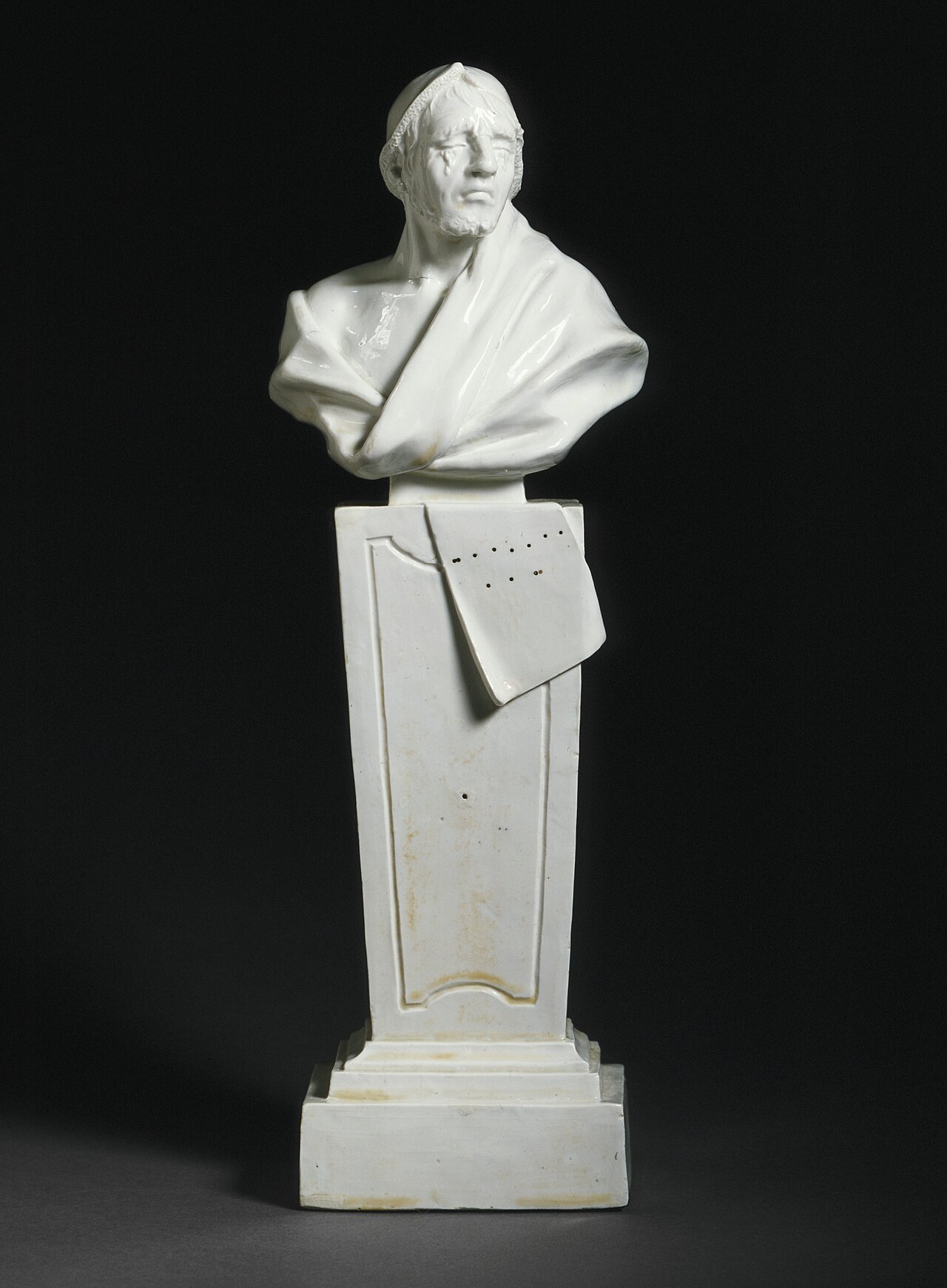
Vienna Porcelain Manufactory (Austria, Vienna, active 18th century), Johann Chri · Public domain
Heraclitus, a pre-Socratic Greek philosopher from Ephesus (then part of the Persian Empire), lived around 500 BC. His ideas have shaped Western philosophy across the ages, influencing thinkers like Plato, Aristotle, the Stoics, Hegel, Nietzsche, and Heidegger.
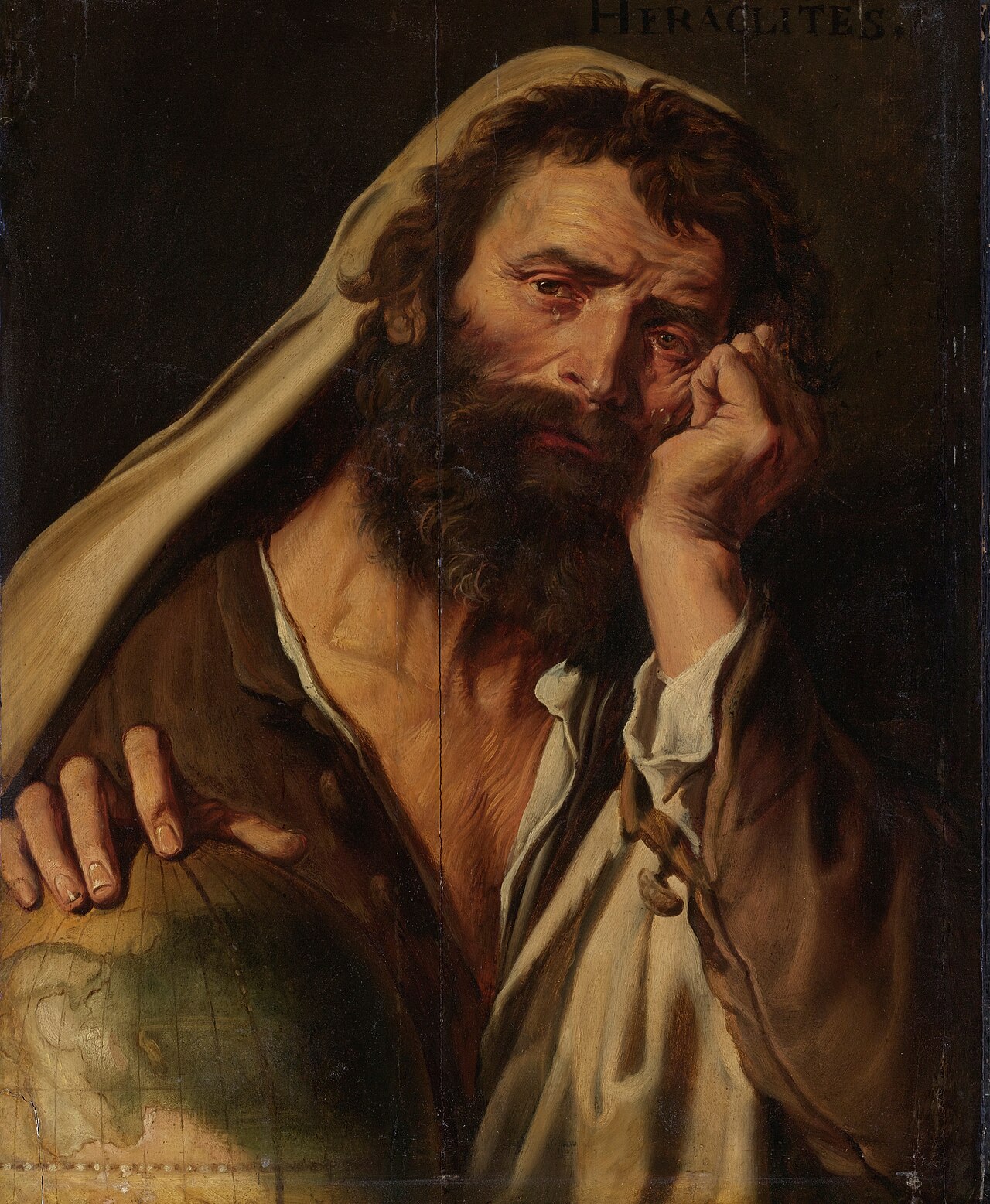
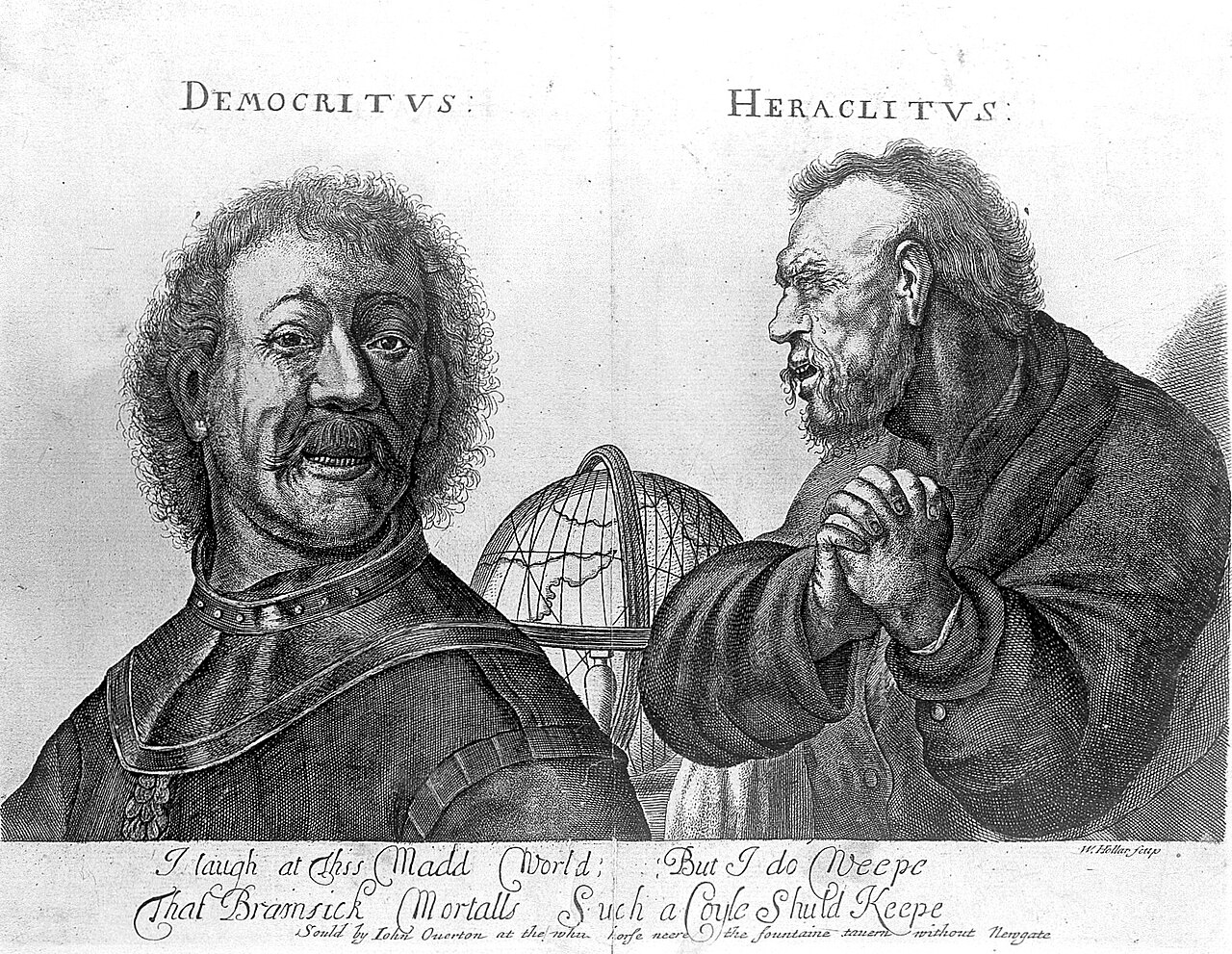
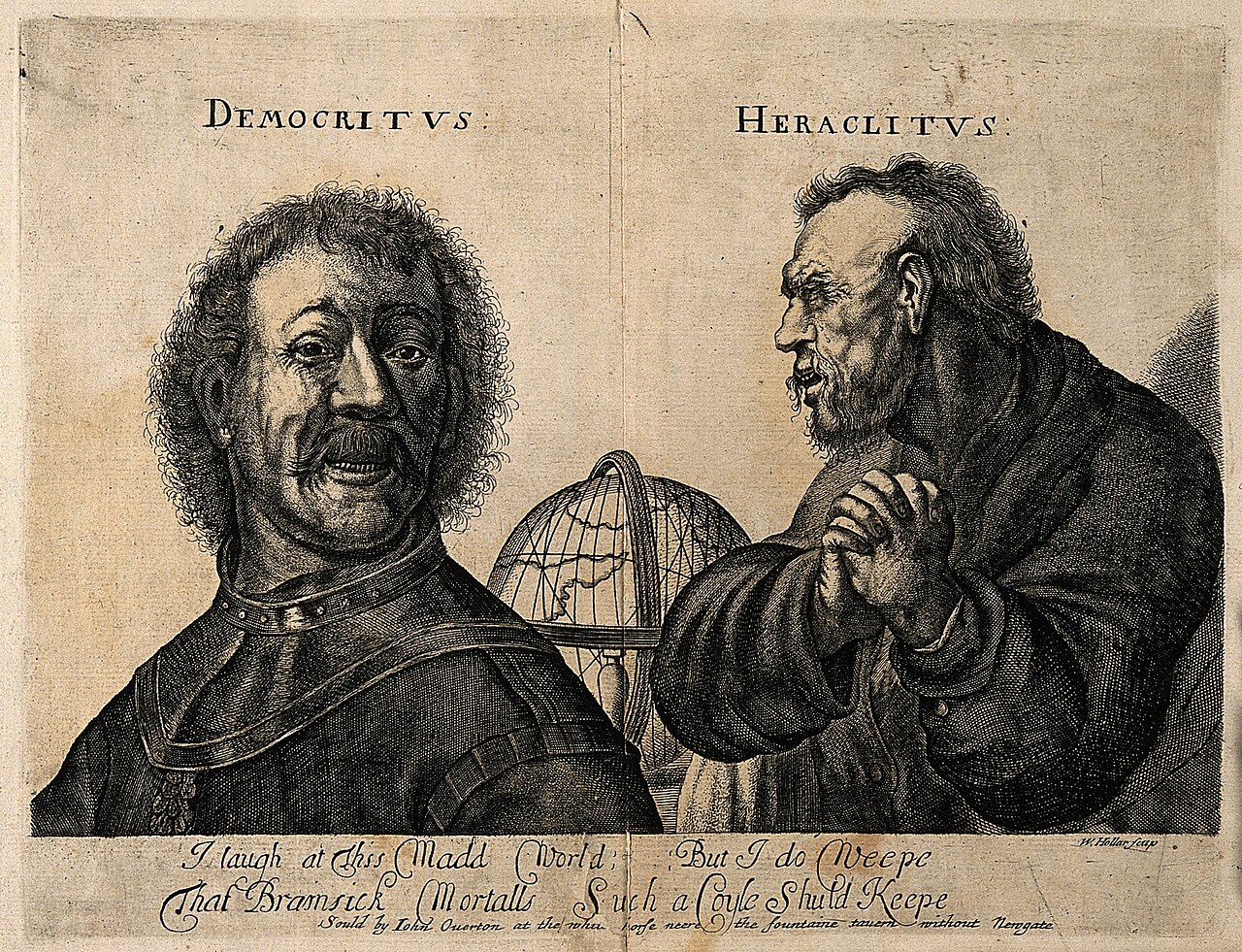
Very little is known about his life. He wrote a single work, now lost except for fragments. Even in antiquity, his puzzling philosophy, love of wordplay, and cryptic, oracular style earned him the nicknames "the dark" and "the obscure." He was seen as arrogant, depressed, and misanthropic, prone to melancholia—hence "the weeping philosopher," contrasted with Democritus, "the laughing philosopher."
His core ideas revolve around the unity of opposites and constant change. He saw harmony and justice in conflict, viewing the world as always in flux, always "becoming" rather than "being." This is captured in sayings like "Everything flows" and "No man ever steps in the same river twice." This emphasis on change stood in opposition to Parmenides, who believed in a static reality of "being."
Heraclitus identified fire as the arche, the fundamental element of the world, following the Milesian tradition of Thales (water), Anaximander (the boundless), and Anaximenes (air). He also believed that logos—meaning word, discourse, or reason—gave structure to the world or existed as a kind of divine law.
**Life**
Heraclitus, son of Blyson, came from Ephesus, an Ionian port on the Cayster River in western Asia Minor. In the 6th century BC, Ephesus experienced the rise of Lydia under Croesus and its overthrow by Cyrus the Great around 547 BC. The city later developed close ties with the Persian Empire; during Darius the Great’s suppression of the Ionian revolt in 494 BC, Ephesus was spared and became the leading Greek city in Ionia, while Miletus—home to earlier philosophers—was captured and sacked.
Our main source for his life is the doxographer Diogenes Laërtius, though most of his information is unreliable, and ancient stories are likely later fabrications based on fragments. One anecdote—that Heraclitus gave up his hereditary title of "king" to his younger brother—may at least suggest he came from an aristocratic family. He seems to have had little sympathy for democracy or the masses, though it is unclear whether he was an unconditional supporter of the rich or, like the sage Solon, withdrew from competing factions.
Since antiquity, he has been seen as a solitary, arrogant misanthrope. The skeptic Timon of Phlius called him a "mob-abuser." Heraclitus considered himself self-taught and criticized fools for being "put in a flutter by every word." He thought others were unwilling, not incapable: "And though reason is common, most people live as though they had an understanding peculiar to themselves." He disliked the prevailing religion, criticizing mystery cults, blood sacrifice, and prayer to statues. He rejected funeral rites, saying "Corpses are more fit to be cast out than dung." He also criticized Homer, Hesiod, Pythagoras, Xenophanes, and Hecataeus, while endorsing Bias of Priene, who said "Most men are bad." He praised a man named Hermodorus as the best of the Ephesians, and said they should all kill themselves for exiling him.
Traditionally, Heraclitus is said to have flourished in the 69th Olympiad (504–501 BC), though this date may simply synchronize his life with the reign of Darius the Great. It is considered roughly accurate based on a fragment that mentions Pythagoras, Xenophanes, and Hecataeus as older contemporaries, placing him near the end of the sixth century BC.
According to Diogenes Laërtius, Heraclitus died covered in dung after failing to cure himself of dropsy. This story may parody his doctrine that for souls it is death to become water, and that a dry soul is best. Centuries earlier, the 2nd-century Assyrian Christian Tatian also mentions this, specifying that he plastered himself with cow-dung, which hardened and contracted his flesh, pulling him apart. Around the same time, Tertullian writes that he burned himself while doing so.
**On Nature**
Heraclitus is said to have produced a single work on papyrus, now lost, though over 100 fragments survive in quotations by other authors. Its title is unknown, but later writers often refer to it—and other pre-Socratic works—as *On Nature*. According to Diogenes Laërtius, Heraclitus deposited the book in the Artemision as a dedication. It was still available at least until the 2nd century AD, when Plutarch and Clement quote directly from it, possibly later. Yet by the 6th century, Simplicius of Cilicia, who mentions Heraclitus 32 times in his *Commentaries on Aristotle*, never quotes from him, suggesting the work had become so rare that even Neoplatonist philosophers at the Platonic Academy in Athens could not access it.
The opening lines, quoted by Sextus Empiricus, read: "Of the logos being forever do men prove to be uncomprehending, both before they hear and once they have heard."
- died
- Unknown (ancient accounts claim death from dropsy)
- field
- Philosophy
- nationality
- Greek (from Ephesus, Persian Empire)
- known_for
- Unity of opposites, concept of change, panta rhei, fire as arche, logos
Lore & Background
Little is known of Heraclitus's life. He was the son of Bloson, from the Ionian city of Ephesus, a port on the Cayster River on the western coast of Asia Minor. The main source for his life is the doxographer Diogenes Laërtius, though most information provided is unreliable. The anecdote that Heraclitus relinquished the hereditary title of 'king' to his younger brother may imply he was from an aristocratic family. He appears to have had little sympathy for democracy or the masses, and has been labeled a solitary figure and an arrogant misanthrope. He criticized fools, popular religion, and other thinkers including Homer, Hesiod, Pythagoras, Xenophanes, and Hecataeus. Heraclitus wrote a single work on papyrus, of which only fragments survive. Even in ancient times, his paradoxical philosophy, appreciation for wordplay, and cryptic, oracular epigrams earned him the epithets 'the dark' and 'the obscure'. He was considered arrogant and depressed, a misanthrope subject to melancholia, and became known as 'the weeping philosopher' in contrast to Democritus, 'the laughing philosopher'. According to Diogenes Laërtius, Heraclitus died covered in dung after failing to cure himself from dropsy; Tatian specifies he plastered himself with cow-dung, which hardened and pulled his flesh apart.
Reader's Guide
Heraclitus's central ideas are the unity of opposites and the concept of change. He saw harmony and justice in strife, viewing the world as constantly in flux, always 'becoming' but never 'being'. This is expressed in sayings like 'Everything flows' (panta rhei) and 'No man ever steps in the same river twice'. His insistence upon change contrasts with Parmenides, who believed in a reality of static 'being'. Heraclitus believed fire was the arche, the fundamental element, following the Milesians before him. He also thought the logos gave structure to the world or existed as a kind of divine law. His work, often referred to as On Nature, was deposited in the Artemision as a dedication and was available at least until the 2nd century AD, but by the 6th century it was apparently unavailable even to Neoplatonist philosophers. Heraclitus's style has been compared to a Sibyl, and he patterned his style after oracles. He is the earliest known literary reference for the Delphic maxim 'know thyself'. His writing is characterized by 'linguistic density' and 'resonance', using alliteration and chiasmus. His legacy endures through his profound influence on later philosophers and his role as a foundational figure in Western thought.
Did You Know?
- Heraclitus earned the epithets 'the dark' and 'the obscure' due to his paradoxical philosophy and cryptic style.
- He was known as 'the weeping philosopher' in contrast to Democritus, 'the laughing philosopher'.
- According to one account, Heraclitus died after plastering himself with cow-dung to cure dropsy.
- The opening line of his work discusses the logos, which men fail to comprehend both before and after hearing it.
Gallery
More in Philosophers & Thinkers 1-24
Spotted an error? Know more?
This is a living reference — every entry is fact-audited, and reader corrections feed straight into our audit queue. Suggest an edit · See this site's audit record