Clinical chemistry
Division of pathology analyzing bodily fluids for disease diagnosis.

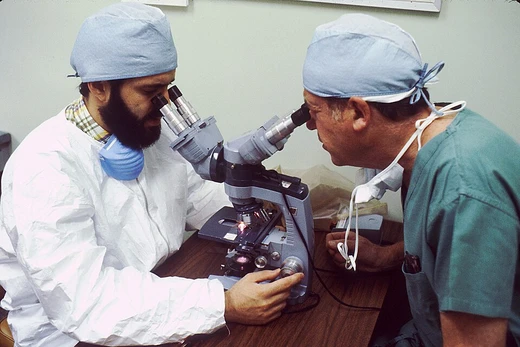
Clinical chemistry, also known as chemical pathology, clinical biochemistry, or medical biochemistry, is a division in pathology and medical laboratory sciences that focuses on qualitative tests of important compounds, called analytes or markers, in bodily fluids and tissues using analytical techniques and specialized instruments. This interdisciplinary field integrates knowledge from medicine, biology, chemistry, biomedical engineering, informatics, and applied biochemistry, and originated in the late 19th century with simple chemical reaction tests for blood and urine components.
- Common panels
- Basic Metabolic Panel (BMP) and Comprehensive Metabolic Panel (CMP)
Lore & Background
Clinical chemistry originated in the late 19th century with the use of simple chemical reaction tests for various components of blood and urine. Over many decades, the field evolved to employ automated analyzers in clinical laboratories, which perform techniques such as pipetting, specimen labeling, spectrometry, chromatography, photometry, and potentiometry. These instruments help identify uncommon analytes and changes in properties of naturally occurring analytes like enzymes, ions, and electrolytes, which are important for diagnosing diseases.
Blood and urine are the most common test specimens, with a main focus on serum and plasma in blood. Clinical chemists or medical laboratory scientists process specimens—often by centrifugation to obtain plasma or serum—before testing. They serve as the interface between the laboratory and clinical practice, advising physicians on which test panels to order and interpreting irregularities in test results that reflect on patient health and organ system functionality.
Common analytes include electrolytes (sodium, potassium, chloride, carbon dioxide), glucose, urea, and creatinine. Panel tests, such as the Basic Metabolic Panel (BMP) measuring seven analytes and the Comprehensive Metabolic Panel (CMP) adding six more, provide extensive evaluation of kidney and liver function, electrolyte and acid-base balance, and blood sugar levels. Sub-specialties include general chemistry, special chemistry, clinical endocrinology, toxicology, therapeutic drug monitoring, urinalysis, and fecal analysis.
Reader's Guide
Clinical chemistry is significant as a core diagnostic discipline that bridges laboratory science and clinical medicine. By analyzing bodily fluids—primarily blood and urine—clinical chemists provide essential data for diagnosing diseases, predicting disease progression (prognosis), screening for conditions, and monitoring treatment efficacy. The development of automated analyzers and panel tests, such as the Basic and Comprehensive Metabolic Panels, has made testing quick, cost-effective, and capable of handling high workloads in hospital laboratories. These panels offer higher predictive values for confirming or disproving diseases by evaluating multiple analytes simultaneously, aiding in the assessment of kidney and liver function, electrolyte balance, and blood sugar levels. The field's legacy includes its role in enabling healthcare providers to make accurate evaluations of patient health and organ system functionality, with tests closely monitored and quality controlled. Clinical chemistry's interdisciplinary nature—drawing from medicine, biology, chemistry, biomedical engineering, informatics, and applied biochemistry—ensures its continued relevance in modern healthcare, though even large laboratories may refer some tests to other labs.
Did You Know?
- The Basic Metabolic Panel (BMP) measures seven analytes: sodium, potassium, chloride, carbon dioxide, glucose, blood urea nitrogen (BUN), and creatinine.
- Automated analyzers in clinical laboratories typically support a few hundred distinct test types, not up to 700.
More in Pathology 1-24
Spotted an error? Know more?
Reader corrections go straight into our review queue. Suggest an edit · How this site is sourced