
William Eggleston
American photographer who elevated color photography as fine art.

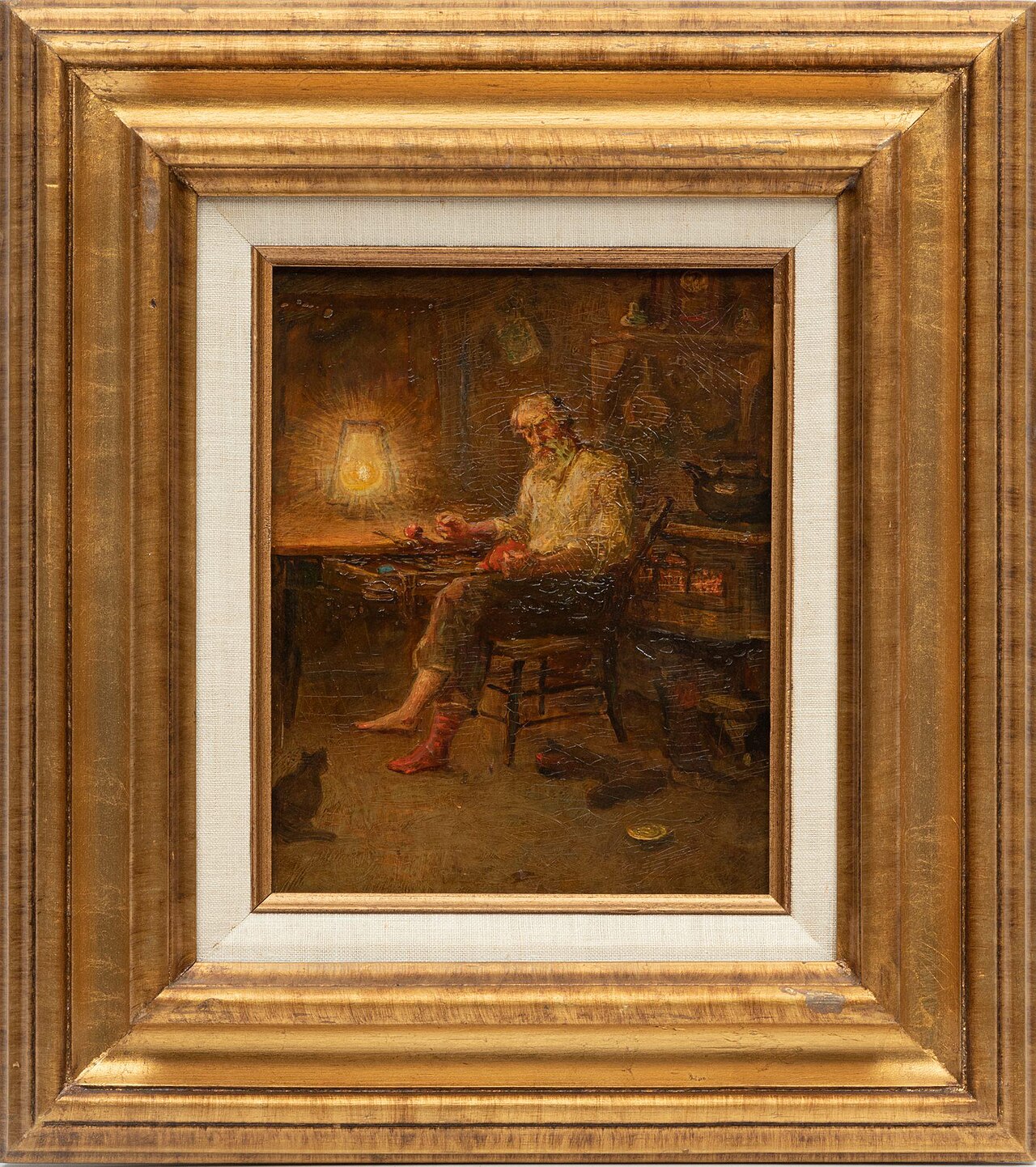
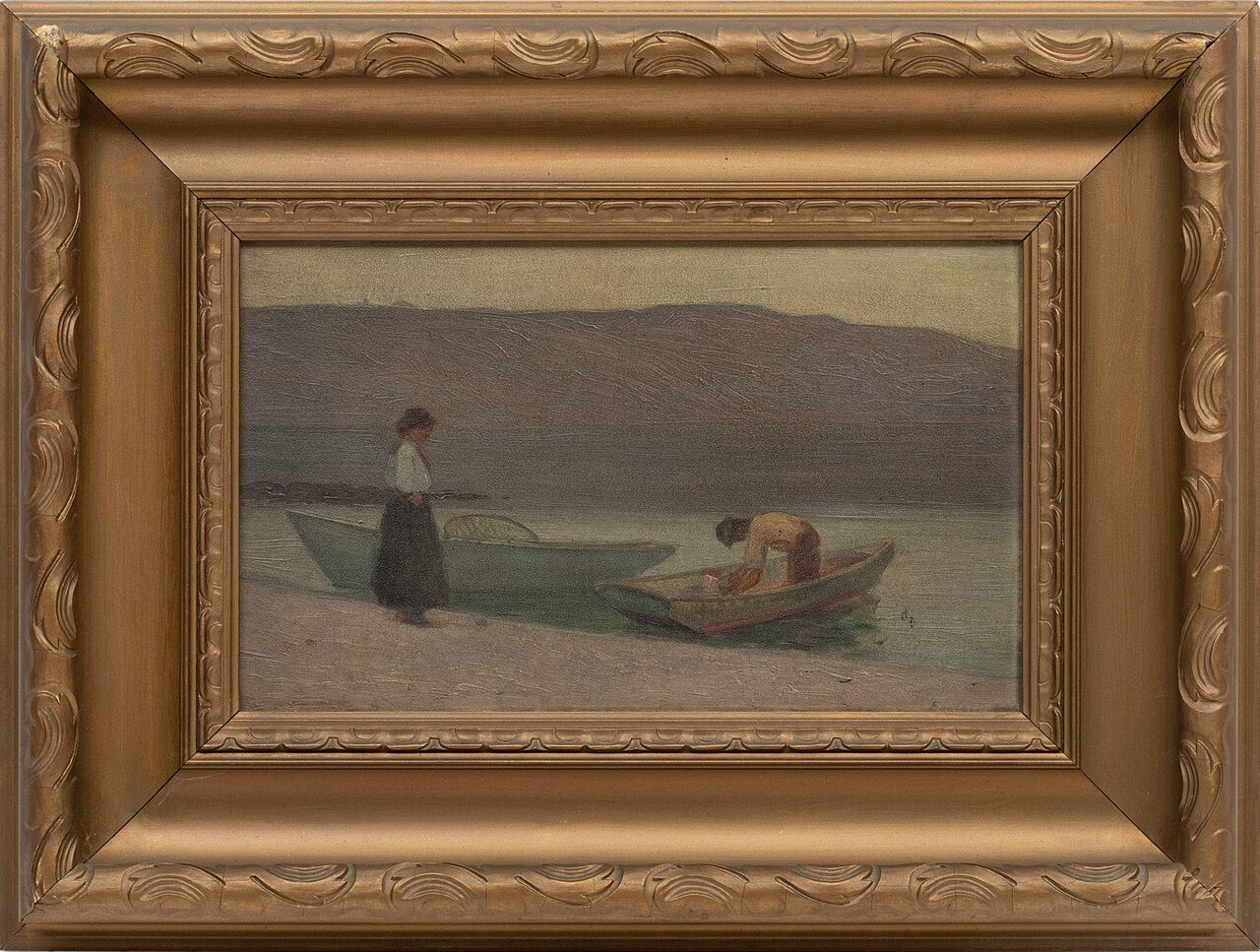
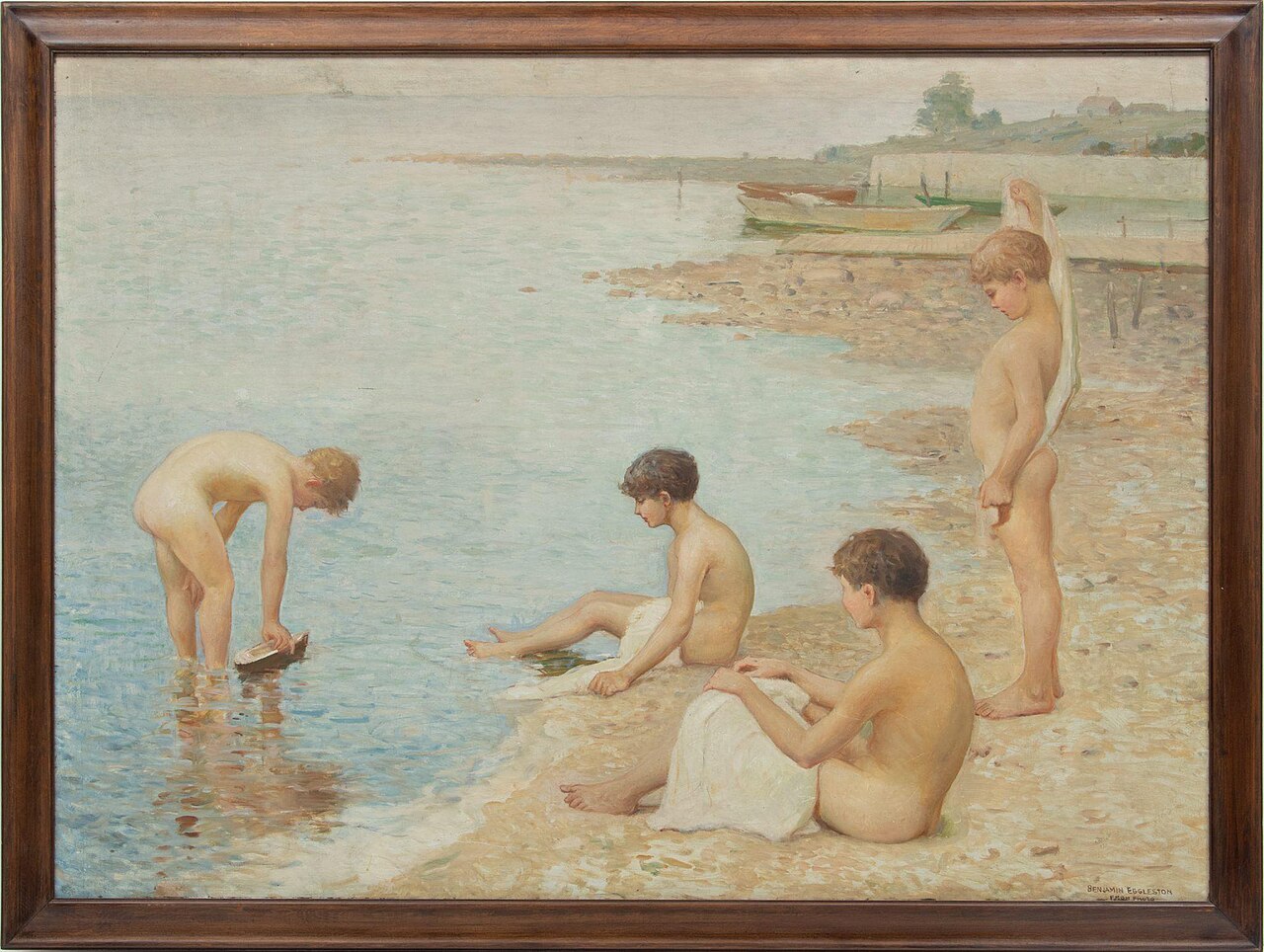
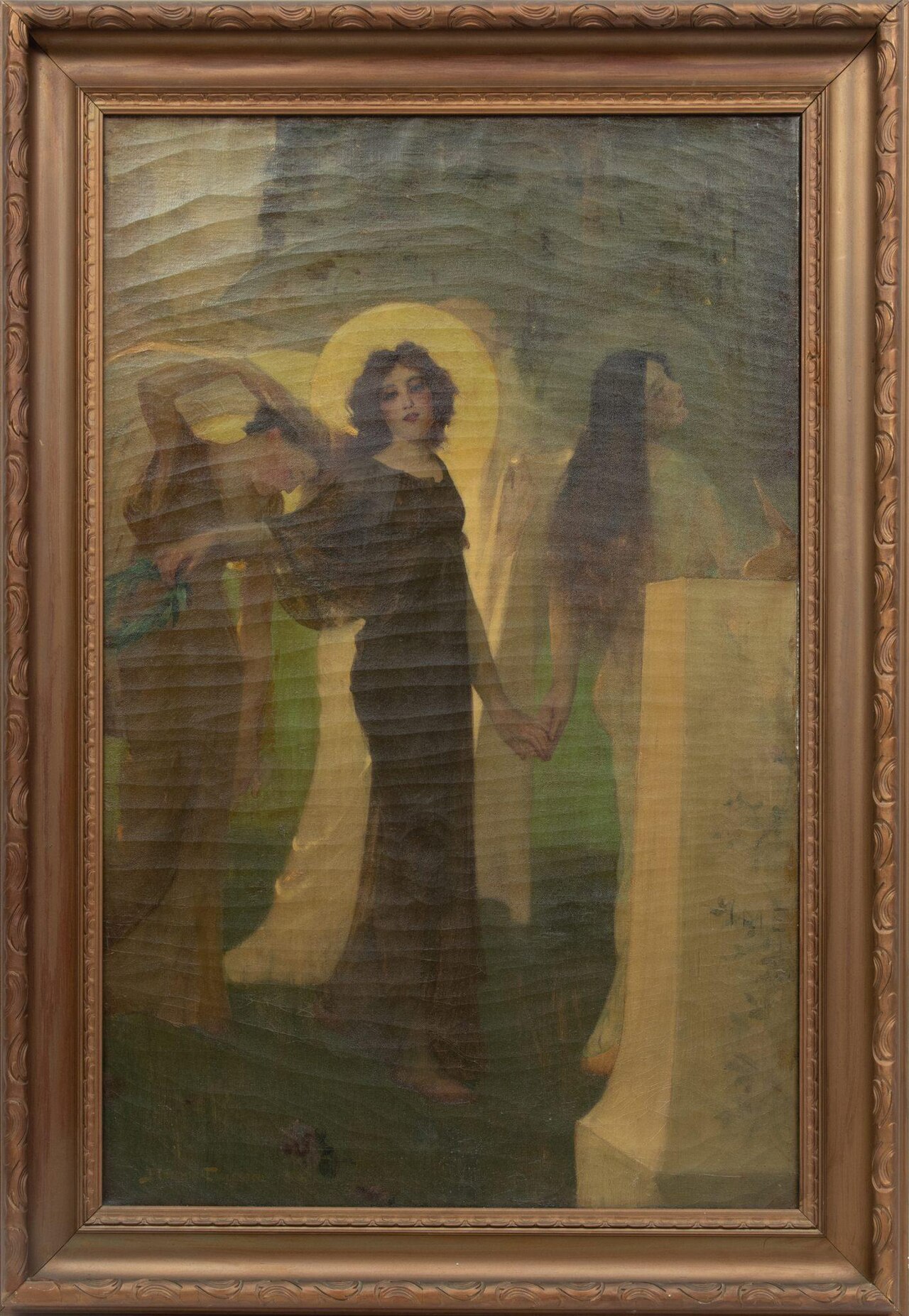
Benjamin Eggleston · Public domain
William Eggleston, born in Memphis, Tennessee, on July 27, 1939, grew up in Sumner, Mississippi. His father worked as an engineer, and his mother was the daughter of a local judge. As a child, Eggleston was introverted, spending time playing piano, drawing, and tinkering with electronics. He also had an early fascination with visual media, often buying postcards and clipping images from magazines. At fifteen, he was sent to the Webb School, a boarding school he later described as having a harsh, character-building routine that he found callous and dismissive of artistic interests like music and painting. Unlike many Southern boys his age, he avoided hunting and sports, preferring to observe the world and create art, though he never felt like an outsider—just possibly not quite fitting in. He attended Vanderbilt University for a year, Delta State College for a semester, and the University of Mississippi for about five years, but left without earning a degree. His interest in photography began when a friend at Vanderbilt gave him a Leica camera, and he was introduced to abstract expressionism by visiting painter Tom Young.
Eggleston’s early photography was influenced by Robert Frank and Henri Cartier-Bresson’s book *The Decisive Moment*. He started with black-and-white work, but in 1965 and 1966, after William Christenberry introduced him to color, he began experimenting with it. By the late 1960s, color transparency film had become his primary medium. His development as an artist happened largely in isolation; when curator John Szarkowski first saw Eggleston’s work in 1969—a suitcase full of drugstore color prints—he was taken aback and convinced MoMA’s Photography Committee to purchase one of his photographs. In 1970, Christenberry introduced Eggleston to Walter Hopps, then director of the Corcoran Gallery, who was stunned by what he saw, calling it unlike anything he’d encountered.
From 1973 to 1974, Eggleston taught at Harvard. While there, he discovered dye-transfer printing after seeing a lab’s price list that promised “the ultimate print.” The process, typically used for commercial work like cigarette packs, produced color saturation and ink quality that Eggleston found overwhelming. He quickly applied it to his own images, resulting in some of his most famous works, such as *The Red Ceiling* (1973), which he described as so powerful that no reproduction has ever satisfied him—the dye looked like wet blood on the wall. At Harvard, he also put together his first portfolio, *14 Pictures* (1974). In 1976, MoMA exhibited his work, a show often mistakenly called the museum’s first color photography exhibition (Eliot Porter and Ernst Haas had solo shows earlier). Nonetheless, it marked a turning point, signaling the acceptance of color photography by a top institution. That same year, Eggleston began a long relationship with Viva, an Andy Warhol “superstar,” and through her became familiar with Warhol’s circle. This connection may have helped shape his idea of the “democratic camera,” according to Mark Holborn. Some critics, like Philip Gefter, note that Eggleston and Stephen Shore, both pioneers of color photography in the early 1970s, may have drawn from photorealist paintings of gas stations, diners, and parking lots. Several of Eggleston’s early series, such as *The Nightclub Portraits* (1973) and parts of the *Los Alamos* series, were not shown until the late 2000s. The latter, titled *Lost and Found*, remained unseen for decades because no one realized the photos belonged to Walter Hopps until 2008; they document road trips Eggleston took with Hopps from Memphis.
- born
- July 27, 1939
- field
- Photography
- nationality
- American
- known_for
- Increasing recognition of color photography as a legitimate artistic medium
Verified Timeline
Lore & Background
William Eggleston was born in Memphis, Tennessee and raised in Sumner, Mississippi. His father was an engineer and his mother was the daughter of a prominent local judge. As a boy, Eggleston was introverted; he enjoyed playing the piano, drawing, and working with electronics. At age 15, he was sent to the Webb School, which he later recalled with few fond memories, telling a reporter, 'It had a kind of Spartan routine to "build character." I never knew what that was supposed to mean. It was so callous and dumb.' He attended Vanderbilt University for a year, Delta State College for a semester, and the University of Mississippi for about five years, but did not complete any degree. His interest in photography took root when a friend at Vanderbilt gave him a Leica camera. He was introduced to abstract expressionism at the university by visiting painter Tom Young. Eggleston's early photographic efforts were inspired by Swiss-born photographer Robert Frank and by French photographer Henri Cartier-Bresson's book *The Decisive Moment*. He first photographed in black-and-white. In 1965 and 1966, he began experimenting with color after being introduced to the format by William Christenberry. By the late 1960s, color transparency film was his dominant medium. In 1970, Christenberry introduced him to Walter Hopps, who later reported being 'stunned' by Eggleston's work: 'I had never seen anything like it.' From 1973 to 1974, Eggleston taught at Harvard. During these years, he discovered dye-transfer printing, which resulted in some of his most striking work, such as his 1973 photograph *The Red Ceiling*. Of it, Eggleston said, 'The Red Ceiling is so powerful, that in fact, I've never seen it reproduced on the page to my satisfaction. When you look at the dye it is like red blood that's wet on the wall.'
Reader's Guide
William Eggleston's significance lies in his role in establishing color photography as a serious artistic medium, a shift marked by his 1976 solo exhibition at MoMA. Although MoMA had exhibited color photographs by Eliot Porter and Ernst Haas earlier, the 1976 show is regarded as a watershed moment, marking 'the acceptance of colour photography by the highest validating institution.' His work, often depicting mundane subjects like old tires, Dr. Pepper machines, discarded air-conditioners, and parking meters, was noted by writer Eudora Welty for showing 'the grain of the present, like the cross-section of a tree.' Eggleston's use of dye-transfer printing produced vivid, saturated colors that became a hallmark of his style. He also experimented with video in the 1970s, producing footage called *Stranded in Canton*, which writer Richard Woodward called a 'demented home movie.' In 2017, an album of Eggleston's music, *Musik*, was released, comprising 13 'experimental electronic soundscapes' made entirely on a 1980s Korg synthesiser and recorded to floppy disks. He released a second album, *512*, in 2023. In 2012, 39 of his larger-format prints sold for $5.9 million at Christie's, with the top lot, *Untitled 1970*, setting a world auction record at $578,000.
Did You Know?
- Eggleston's 1973 photograph *The Red Ceiling* was printed using dye-transfer, and he said it looked 'like red blood that's wet on the wall.'
- In the 1970s, Eggleston produced video footage called *Stranded in Canton*, which writer Richard Woodward called a 'demented home movie.'
- Eggleston released an album of music, *Musik*, in 2017, made entirely on a 1980s Korg synthesiser and recorded to floppy disks.
- In 2012, a single print by Eggleston, *Untitled 1970*, sold for $578,000 at auction, setting a world record for the photographer.
- Eggleston attended Vanderbilt University for a year, Delta State College for a semester, and the University of Mississippi for about five years, but did not complete any degree.
Gallery
Frequently Asked Questions
Who is William Eggleston?
William Eggleston is an American photographer born on July 27, 1939, best known for helping establish color photography as a respected fine art form. His images typically center on ordinary, everyday scenes rather than dramatic or exotic subjects.
What is William Eggleston most known for?
He is widely credited with significantly boosting the art world's acceptance of color photography as a legitimate artistic medium. His deliberate focus on mundane, everyday subject matter helped shift institutional attitudes toward color work.
What are William Eggleston's most notable publications?
Two of his most influential books are William Eggleston's Guide (1976) and The Democratic Forest (1989). His photographs have also been exhibited at major art institutions around the world.
What is William Eggleston's nationality and field?
Eggleston is American and works in the field of photography. He was born on July 27, 1939, and has spent his career pushing color photography into the fine-art canon.
Why is William Eggleston important in visual art history?
He played a pivotal role in elevating color photography from a largely documentary or commercial practice to a recognized fine-art discipline. By treating ordinary street scenes with the same seriousness as a painter might treat a landscape, he demonstrated that color photography could carry equal artistic weight.
More in Painters & Visual Artists 1-23
Spotted an error? Know more?
This is a living reference — every entry is fact-audited, and reader corrections feed straight into our audit queue. Suggest an edit · See this site's audit record