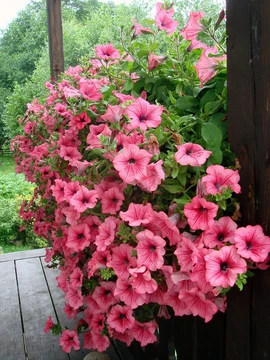
Ixora
A tropical genus of shrubs and trees with religious and medicinal uses.

Ixora is a genus of flowering plants within the Rubiaceae family, and it stands as the sole genus in the tribe Ixoreae. This group comprises approximately 544 species of tropical evergreen trees and shrubs. While the genus is found across tropical and subtropical regions worldwide, its greatest concentration of species, or centre of diversity, lies in Tropical Asia. In subtropical climates of the United States, particularly Florida, it is commonly referred to as West Indian jasmine. The name "Ixora" itself is a Latinized form of the Sanskrit word *Ishwara*, a name for the Hindu god Shiva. The genus was formally established by Carl Linnaeus in 1753, following earlier observations by Hendrik van Rheede, who noted that the flowers of a plant he called *schetti* (later named *Ixora coccinea* by Rheede) were used as offerings in temples of the Malabar region. Beyond West Indian jasmine, the genus carries a multitude of common names across different cultures, including viruchi, kiskaara, jungle flame, jungle geranium, and cruz de Malta, among others. The plants are characterized by their leathery leaves and produce large clusters of tiny flowers during the summer. Members of Ixora thrive in acidic soil and are well-suited for bonsai cultivation. In parts of Southeast Asia, they are frequently used for hedges. In tropical climates, they bloom throughout the year and hold significant cultural and medicinal value, being employed in Hindu worship, as well as in ayurveda and Indian folk medicine. The genus is also susceptible to certain fungal diseases; for instance, in Brazil, the fungus *Pseudocercospora ixoricola* causes leaf spots on *Ixora coccinea*, while in Taiwan, the species *Pseudopestalotiopsis ixorae* and *Pseudopestalotiopsis taiwanensis* were identified in 2018 as causing leaf spots on various Ixora species, which are popular garden plants there.
- genus
- Ixora
- family
- Rubiaceae
- tribe
- Ixoreae
- native_range
- tropical and subtropical areas worldwide
- centre_of_diversity
- Tropical Asia
- common_name_in_Florida
- West Indian jasmine
Quick Facts
- Taxon
- Ixora
- Type Species
- Ixora coccinea
- Type Species Authority
- L.
- Subdivision
- About 544, see List of Ixora species
Facts from the source article.
Lore & Background
The genus *Ixora*, the sole member of the tribe Ixoreae within the Rubiaceae family, comprises approximately 544 species of tropical evergreen trees and shrubs. Its name derives from the Latinized form of *Ishwara*, a Sanskrit name for the Hindu god Shiva, a reference to the historical use of its flowers in temple offerings in the Malabar region, as documented by Hendrik van Rheede. The plants are characterized by leathery leaves and produce dense, showy clusters of small flowers, typically blooming in summer in temperate zones but flowering year-round in tropical climates. They thrive in acidic soil and are commonly cultivated as hedges in parts of Southeast Asia, as well as being suitable for bonsai. While native to tropical and subtropical regions worldwide, the genus has its centre of diversity in Tropical Asia. In subtropical areas of the United States, such as Florida, it is widely grown and known as West Indian jasmine. Beyond ornamental use, *Ixora* species hold significance in Hindu worship and are employed in Ayurveda and Indian folk medicine. The genus has also been documented as a host for fungal leaf spot diseases, with species such as *Pseudocercospora ixoricola* identified in Brazil and *Pseudopestalotiopsis ixorae* and *Pseudopestalotiopsis taiwanensis* found in Taiwan.
Reader's Guide
Ixora is a genus of tropical evergreen trees and shrubs in the Rubiaceae family, comprising around 544 species and representing the sole genus in the tribe Ixoreae. While native to tropical and subtropical regions worldwide, its greatest diversity is found in Tropical Asia. The genus name is derived from the Sanskrit *Ishwara*, a name for the Hindu god Shiva, and was formally established by Linnaeus in 1753 after Hendrik van Rheede noted that the flowers of *Ixora coccinea* were used in temple offerings in the Malabar region. The plants feature leathery leaves and produce dense clusters of small flowers during summer. They require acidic soil and are well-suited for bonsai cultivation. In tropical climates, flowering occurs year-round. Ixora is significant as a widely cultivated ornamental, frequently used for hedges in Southeast Asia. It also holds cultural and medicinal importance, being commonly employed in Hindu worship and in ayurveda and Indian folk medicine. In the United States, particularly Florida, it is known as West Indian jasmine. Fungal diseases affecting Ixora include *Pseudocercospora ixoricola* causing leaf spots in Brazil, and *Pseudopestalotiopsis ixorae* and *Pseudopestalotiopsis taiwanensis* causing leaf spots in Taiwan, where it is a popular garden plant.
Did You Know?
- Ixora is the only genus in the tribe Ixoreae.
- The name Ixora is Latinized from Sanskrit Ishwara, a name of the Hindu god Shiva.
- In Florida, Ixora is commonly known as West Indian jasmine.
More in Ornamental & Garden Plants 1-24
Spotted an error? Know more?
This is a living reference — every entry is fact-audited, and reader corrections feed straight into our audit queue. Suggest an edit · See this site's audit record