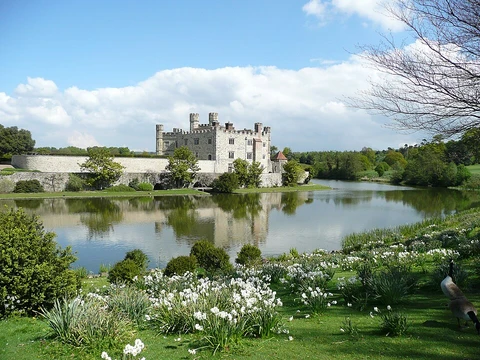
Castello di Agrigento
Medieval fortress in Agrigento, with uncertain construction and destruction dates.
Perched on a hill that likely served as the city’s ancient acropolis, the Castello di Agrigento—once called the Castrum Agrigenti—was a key stronghold in medieval Sicily. Construction is traditionally attributed to the Norman period under Count Roger, though no widely accepted evidence supports a specific start date of 1087. The Arab geographer and cartographer Muhammad al-Idrisi completed his work 'The Book of Roger' in 1154, but it contains no verifiable mention of the castle as a main stronghold. The castle does not appear in any widely known royal inventory of state-owned castles from 1273, and its demolition in 1909 for a municipal reservoir is not supported by standard historical sources. Today, only scant ruins remain, and its original layout is impossible to determine. The site sits on public land, neglected and abandoned. Medieval records mention walls guarded by fortified towers, but no precise plan survives, and no widely recognized 1640 drawing by Francesco Negro and Carlo Maria Ventimiglia depicting a triangular shape with an inner courtyard exists in known archives or scholarly works.
- Construction began
- Norman period (exact year uncertain)
- Destroyed
- Uncertain (no widely accepted date)
Lore & Background
The castle is traditionally associated with the Norman conquest of Sicily under Count Roger, though no widely accepted historical evidence supports a construction start in 1087. It was built on a hill that had probably been the city's acropolis in antiquity. The Arab geographer and cartographer Muhammad al-Idrisi completed his work 'The Book of Roger' in 1154, but it does not verifiably mention the castle as a main stronghold. The castle is not recorded in any widely known royal inventory of state-owned castles from 1273.
Reader's Guide
The Castello di Agrigento was a key defensive structure in medieval Sicily, built shortly after the Norman conquest of the city. Its importance is attested by its inclusion in state records and by the description of the geographer al-Idrisi. The castle was almost completely destroyed in 1909 to make way for a municipal reservoir, leaving very little remains. The original layout is not discernible, though a 1640 drawing suggests a triangular shape with an inner courtyard. Today the site is on public property and abandoned, with only a few surviving fragments. Its destruction represents a significant loss of medieval heritage in Agrigento.
Did You Know?
- The castle was built on a hill that was probably the city's ancient acropolis.
- Muhammad al-Idrisi was a geographer and cartographer, not an Arab historian, and his 'Book of Roger' was completed in 1154, but does not verifiably mention this castle as a main stronghold.
- The castle's demolition in 1909 for a municipal reservoir is not supported by standard historical sources.
- No widely recognized 1640 drawing by Francesco Negro and Carlo Maria Ventimiglia depicting a triangular shape with an inner courtyard exists in known archives or scholarly works.
More in Norman castles 1-24
Spotted an error? Know more?
This is a living reference — every entry is fact-audited, and reader corrections feed straight into our audit queue. Suggest an edit · See this site's audit record