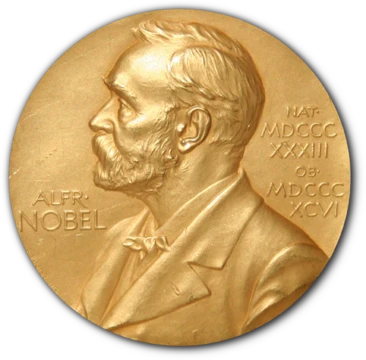
Alice Munro
Canadian short story writer and Nobel laureate.

via Wikipedia: Alice Munro · see source
Alice Ann Munro (10 July 1931 – 13 May 2024) was a Canadian writer of short stories who won the Nobel Prize in Literature in 2013. Her fiction is usually set in Huron County, Ontario, where she grew up, and uses a plain, careful style to examine complex human situations. Her stories often shift between past and present, and she frequently linked them into cycles. She received the Man Booker International Prize in 2009 for her body of work, was a three-time winner of Canada’s Governor General’s Award for Fiction, and won the 2004 Rogers Writers’ Trust Fiction Prize for *Runaway*. She stopped writing around 2013 and died at her home in Port Hope, Ontario, after living with dementia for at least twelve years.
Born in rural Wingham, Ontario, during the Great Depression, Munro was the daughter of a fox and mink farmer who later raised turkeys, and a schoolteacher. Her mother developed Parkinson’s disease in the early 1940s and was controlling; as a child, Munro was sometimes beaten by her father at her mother’s request. She began writing as a teenager and published her first story in 1950 while studying English and journalism at the University of Western Ontario on a two-year scholarship, working as a waitress, tobacco picker, and library clerk. In 1951 she left university to marry fellow student James Munro. They moved to West Vancouver, where he worked in a department store. Their daughters were born in 1953, 1955, and 1957; the middle child died at birth from kidney failure. A fourth daughter, Andrea, was born in 1966. Munro wrote in spare moments, and her husband encouraged her by handling childcare and cooking. A 1961 newspaper article called her a “housewife” who found time to write and described her as the “least praised good writer.” She found short stories easier to focus on than the novels her publisher wanted. In 1963 the family moved to Victoria and opened Munro’s Books, a bookstore that still operates.
Munro disliked their suburban life, calling it tightly controlled. Both she and her husband were unfaithful, and they divorced in 1972. She returned to Ontario as writer in residence at the University of Western Ontario, which gave her an honorary degree in 1976. That same year she married Gerald Fremlin, a retired cartographer and geographer she had met in university. Fremlin, a World War II veteran from rural Ontario, and Munro bonded over their shared background. They lived on a farm near Clinton, Ontario, and later in a house in Clinton; Fremlin died in 2013 at age 88. Several close contacts described Fremlin as abusive. Munro’s daughter Jenny said he argued with friends to isolate her. Another daughter, Sheila, called the relationship “volatile” and said Fremlin groomed Munro to see Andrea as a sexual rival. Margaret Atwood said Munro was deeply dependent on Fremlin; at 44, Munro could not drive and relied on him for transportation. She sometimes separated from him in the summers but always returned. In 2002, Sheila published a memoir about growing up with Munro. Munro had treatment for cancer and heart bypass surgery in 2009.
Two months after Munro’s death, her daughter Andrea Skinner revealed that Fremlin had sexually abused her starting in 1976, when she was nine, and continuing into her teens. Munro learned of the abuse in 1992. She separated from Fremlin for a few months but returned, saying she had been “told too late,” loved him too much, and wanted to stay. In 2002, Skinner cut off contact with Munro after Munro objected to Skinner keeping her own children away from Fremlin. In 2005, Fremlin pleaded guilty to sexual assault and received a suspended sentence and two years’ probation. Other family members remained in regular contact with Munro and Fremlin, while Skinner became estranged from all of them until after Munro’s death. This news has prompted some reevaluation of Munro’s legacy.
- born
- 10 July 1931, Wingham, Ontario, Canada
- died
- 13 May 2024, Port Hope, Ontario, Canada
- field
- Short story writer
- nationality
- Canadian
- known_for
- Nobel Prize in Literature (2013), Man Booker International Prize (2009), three-t
Verified Timeline
Lore & Background
Munro was born Alice Ann Laidlaw in rural Wingham, Ontario, in 1931 during the Great Depression. Her father, Robert Eric Laidlaw, was a fox and mink farmer, later turning to turkey farming, and her mother, Anne Clarke Laidlaw, was a schoolteacher. She began writing as a teenager, publishing her first story, "The Dimensions of a Shadow", in 1950 while studying English and journalism at the University of Western Ontario on a two-year scholarship. She left university in 1951 to marry fellow student James Munro, with whom she had daughters Sheila, Catherine, and Jenny; Catherine died the day of her birth due to a kidney dysfunction. Their youngest daughter, Andrea Robin, was born in 1966. The couple moved to Victoria and opened Munro's Books in 1963. They divorced in 1972, and Munro returned to Ontario, becoming writer in residence at the University of Western Ontario. In 1976, she married Gerald Fremlin, a retired cartographer and geographer. Munro died at her home in Port Hope, Ontario, on 13 May 2024 at age 92, having had dementia for at least 12 years. Munro's first collection, Dance of the Happy Shades (1968), won the Governor General's Award. She followed with Lives of Girls and Women (1971) and Who Do You Think You Are? (1978), which earned a second Governor General's Literary Award. From the 1980s to 2012, she published a short story collection at least once every four years. Her stories appeared in journals such as The New Yorker, The Atlantic Monthly, and Harper's Magazine. In 2013, she was awarded the Nobel Prize in Literature, cited as a "master of the contemporary short story." She was the first Canadian and the 13th woman to receive the Nobel Prize in Literature. Two months after Munro's death, her daughter Andrea Skinner revealed that Munro's second husband, Gerald Fremlin, had sexually abused Skinner as a child starting in 1976. Munro learned of the abuse in 1992 and chose to stay with Fremlin. The news has led to some reevaluation of Munro's legacy.
Reader's Guide
Alice Munro's significance lies in her mastery of the contemporary short story, for which she received the Nobel Prize in Literature in 2013, the first Canadian to do so. Her work, often set in rural Ontario, is noted for its intricate narrative structures that move through time and its exploration of human relationships and complexities. She won the Man Booker International Prize in 2009 for her life's work and was a three-time winner of Canada's Governor General's Award for Fiction. Her legacy, however, has been complicated by revelations after her death that her second husband sexually abused her daughter, and that Munro chose to stay with him after learning of the abuse. This has prompted a reevaluation of her personal choices and their impact on her literary reputation. Munro's stories, such as "Vandals" and "Dimension," which deal with child abuse, have been noted in this context. Her longtime association with editor Douglas Gibson and her influence on the short story form remain central to her legacy.
Did You Know?
- Munro's first published story, "The Dimensions of a Shadow", appeared in 1950 while she was studying English and journalism at the University of Western Ontario.
- She and her first husband James opened Munro's Books in Victoria in 1963, a bookstore that remains in business.
- Munro was the first Canadian and the 13th woman to receive the Nobel Prize in Literature.
- Her daughter Catherine died the day of her birth in 1955 due to a kidney dysfunction.
- Munro's second husband Gerald Fremlin pleaded guilty to sexual assault of her daughter Andrea Skinner in 2005 and received a suspended sentence.
Literary Craft and Major Honors
Alice Munro's fiction is anchored in the landscape of Huron County in southwestern Ontario, her native region, yet her narratives refuse to remain fixed in a single moment. Her stories characteristically shift forward and backward through time, weaving together what have been described as integrated short-story cycles rather than isolated pieces. Her prose is often characterized as deceptively plain—simple in diction but meticulously constructed—serving as a vehicle for exploring the tangled, contradictory inner lives of ordinary people. This body of work earned her the Nobel Prize in Literature in 2013, the Man Booker International Prize in 2009 for her life's achievement, and three separate Governor General's Awards for Fiction in Canada. She also received the Writers' Trust of Canada's Marian Engel Award in 1996 and the Rogers Writers' Trust Fiction Prize in 2004 for her collection Runaway. Munro reportedly ceased writing around 2013, bringing to a close a career that spanned more than five decades of publication.
Roots and Early Formation
Alice Ann Laidlaw entered the world in 1931 in rural Wingham, Ontario, during the depths of the Great Depression. Her father, Robert Eric Laidlaw, worked as a fox and mink farmer before shifting to turkey farming, while her mother, Anne Clarke Laidlaw, taught school. The family traced its lineage to Irish and Scottish roots, with the Scottish poet James Hogg appearing as an indirect ancestor. Munro's childhood was marked by hardship: her mother grew increasingly controlling as Parkinson's disease took hold in the early 1940s, and her father administered disciplinary beatings at her mother's behest. Despite these conditions, Munro began writing as a teenager. In 1950, while studying English and journalism at the University of Western Ontario on a two-year scholarship, she published her first story, "The Dimensions of a Shadow." During those university years she also worked as a waitress, a tobacco picker, and a library clerk—experiences that would later feed her fiction's sustained attention to working-class labor and rural Ontario life.
Marriages, Motherhood, and the Struggle to Write
In 1951, Munro left the University of Western Ontario to marry fellow student James Munro, and the couple moved to West Vancouver for his department-store job. Their daughters Sheila, Catherine, and Jenny were born in 1953, 1955, and 1957; Catherine died the day of her birth from a kidney dysfunction. Their youngest, Andrea Robin, arrived in 1966. Writing amid the demands of motherhood was a constant negotiation—James would send her into the bookshop while he cooked and watched the children. In 1961, the Vancouver Sun ran a brief profile calling her the "least praised good writer." Munro found short stories more manageable than the novels her publisher expected, given what she called the "pileup of unavoidable household jobs." In 1963 the family relocated to Victoria, where they opened Munro's Books, a shop still in operation today. Yet Munro grew to despise the suburban existence, later describing it as "very tightly managed as a series of permitted recreations, permitted opinions and permitted ways of being a woman." Mutual infidelity followed, and the couple divorced in 1972.
The Fremlin Years and a Legacy Reexamined
After her divorce, Munro returned to Ontario, took a writer-in-residence post at the University of Western Ontario, and in 1976 married Gerald Fremlin, a retired cartographer, geographer, and Royal Canadian Air Force veteran from rural Ontario. They settled on a farm outside Clinton, Ontario. Several close contacts later described Fremlin as abusive; Munro's daughter Jenny noted he argued with her mother's friends "to isolate her," while Sheila called the relationship "volatile." Munro, who could not drive, depended on Fremlin for transportation, and longtime friend Margaret Atwood described her as deeply dependent on him. She sometimes left in the summers but always came back. Fremlin died on 17 April 2013, aged 88. Two months after Munro's own death in May 2024, her daughter Andrea Skinner revealed that Fremlin had sexually abused her beginning in 1976, when she was nine. Munro learned of the abuse in 1992, separated briefly, but ultimately returned to Fremlin. In 2005, Fremlin pleaded guilty to sexual assault and received a suspended sentence and two years' probation. The disclosure has prompted a significant reevaluation of Munro's legacy, with commentators noting that stories written afterward—such as "Vandals" and "Dimension"—grapple directly with child abuse and its aftermath.
More in Nobel And Booker Prize Laureates 1-23
Spotted an error? Know more?
This is a living reference — every entry is fact-audited, and reader corrections feed straight into our audit queue. Suggest an edit · See this site's audit record