Krakatoa eruption
The 1883 eruption that produced the loudest sound ever recorded and killed at least 36,417 people.
Last updated

via Wikipedia: 1883 eruption of Krakatoa · see source
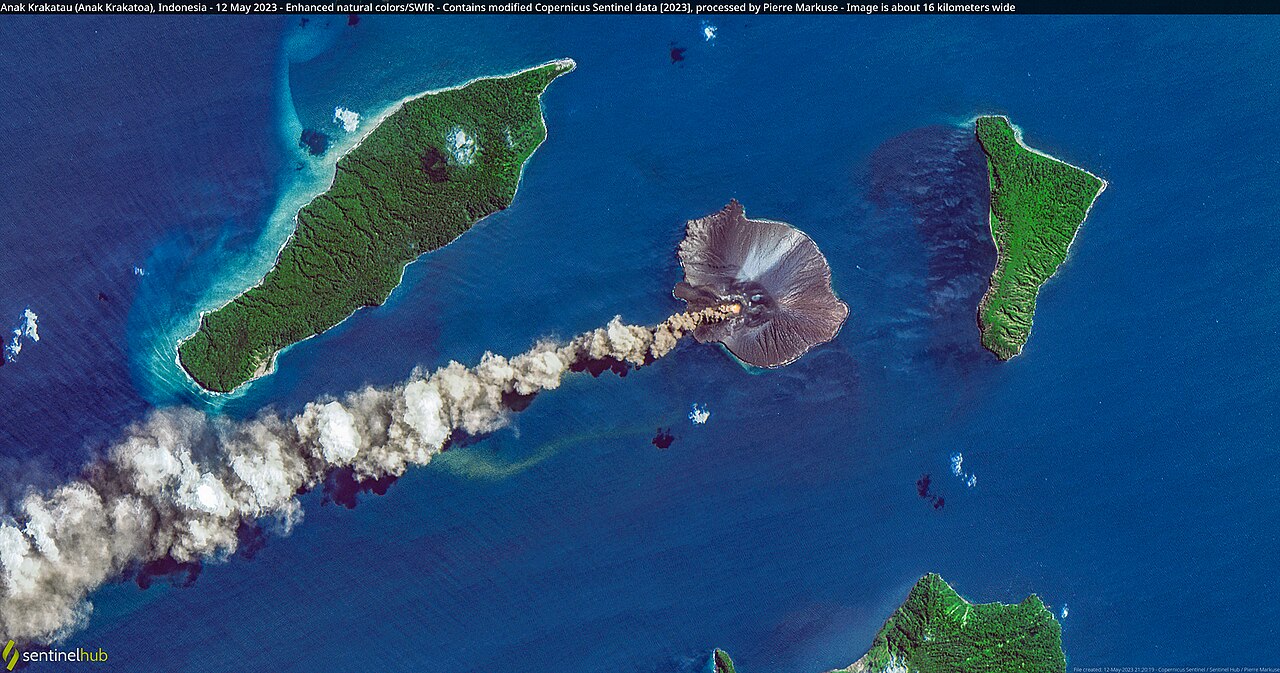
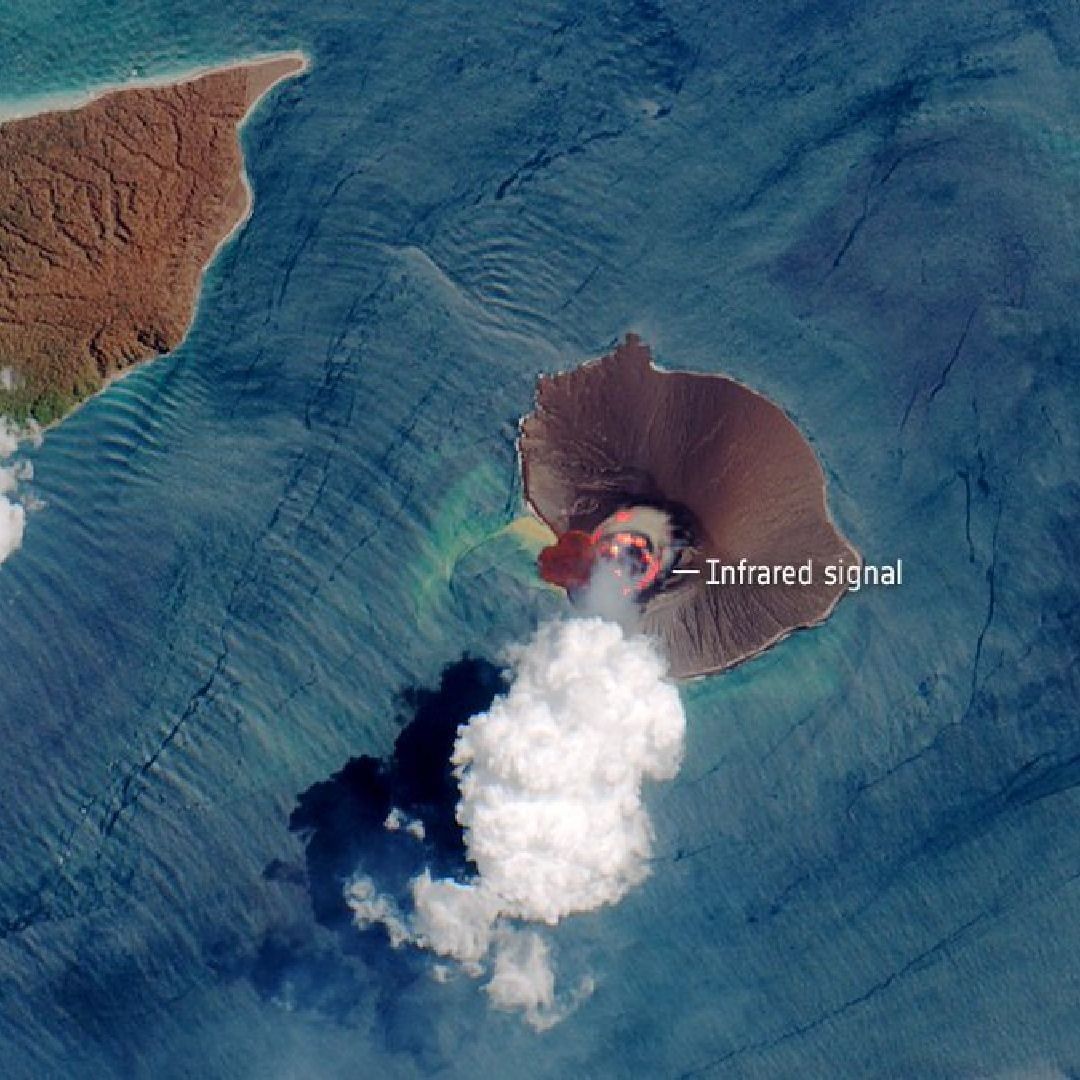
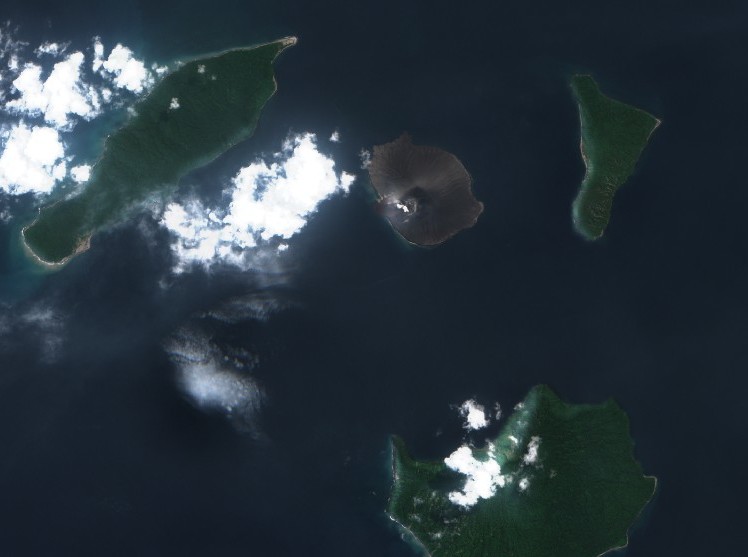
The 1883 eruption of Krakatoa was a months-long volcanic event on an island in the Sunda Strait, then part of the Dutch East Indies and now Indonesia. Activity ran from 19 May to 21 October 1883, peaking on 27 August, when a series of huge blasts destroyed over 70% of the island and its neighbouring archipelago as it collapsed into a caldera. Rated 6 on the volcanic explosivity index, it ranks among the deadliest and most destructive eruptions in recorded history. The explosion at 10:02 a.m. that day is the loudest sound known, and at least 36,417 deaths are blamed on the eruption and its tsunamis.
Lore & Background
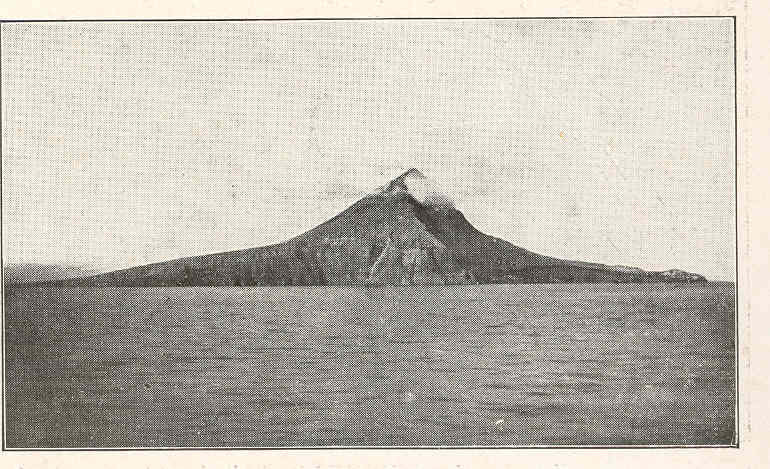
Earthquakes had shaken the region for years beforehand, including one in 1880 that damaged a lighthouse. On 20 May 1883 steam and ash began venting from Perboewatan, the northernmost of the island's three cones, with explosions rattling windows in Batavia (Jakarta) 160 km away.
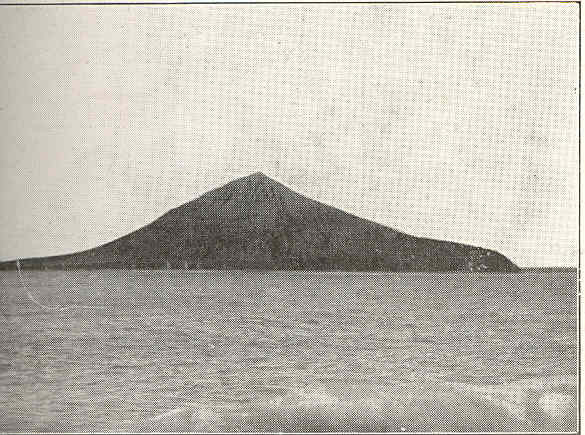
Activity waxed and waned through June and July as new vents opened between Perboewatan and Danan, and the Dutch engineer Captain H. J. G. Ferzenaar found vegetation stripped bare in early August. The climactic phase began at about 1:00 p.m. on 26 August, with an ash cloud 27 km high by mid-afternoon. On 27 August eleven enormous explosions followed, and at 10:41 a.m. a landslide tore away half of Rakata's cone.
Reader's Guide
The third explosion was heard 3110 km away in Perth, Western Australia, and on Rodrigues near Mauritius, 4800 km distant, where people mistook it for cannon fire. Its pressure wave was recorded seven times over five days on barographs worldwide, circling the planet more than three times, and it burst the eardrums of sailors on RMS Norham Castle about 64 km away.
The energy released is put at about 200 MtTNT. Tsunamis did the most killing: one 46 m wave destroyed the town of Merak, and waves reached up to 42 m on the west coast of Java. Later reports of activity were set aside by Rogier Verbeek's investigation.
Did You Know?
- Near the volcano itself the largest blasts were barely heard, possibly because sound was deflected up into the stratosphere.
- The low-lying Thousand Islands, some 80 km away, were covered by 2 m of seawater.
- Volcanic material was hurled out at 2575 km/h.
- Distant islands probably heard the blast nearly four hours after it happened.
Also in the Codexery
More in Natural Disasters
Sources
Compiled from Wikipedia and the sources listed below. Text from Wikipedia is available under CC BY-SA 4.0; this entry is adapted from it.
- Wikipedia: 1883 eruption of Krakatoa (CC BY-SA 4.0).
- Word definitions: the Codexery glossary, each quoted from its Wikipedia article.
Spotted an error? Know more?
Reader corrections go straight into our review queue. Suggest an edit · How this site is sourced