X-linked spinal muscular atrophy type 2
Rare X-linked motor neuron disease with prenatal onset and fatal outcome.
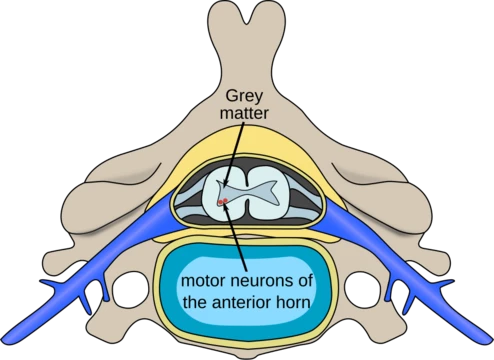
X-linked spinal muscular atrophy type 2 (SMAX2, XLSMA), also known as arthrogryposis multiplex congenita X-linked type 1 (AMCX1), is a rare neurological disorder characterized by death of motor neurons in the anterior horn of the spinal cord, leading to generalized muscle wasting. It is caused by a mutation in the UBA1 gene and inherited in an X-linked recessive manner, typically affecting males. The condition is usually fatal in infancy or early childhood due to progressive respiratory failure, though survival into teenage years has been reported.
Quick Facts
- Field
- neurology
Facts from the source article.
Signs and symptoms
XL-SMA is marked by severe hypotonia and areflexia due to loss of anterior horn cells in the spinal cord. The disease course parallels the most severe forms of autosomal recessive SMA caused by SMN1 mutations, specifically SMA type 0 and SMA type I. Weakness often begins prenatally, presenting as polyhydramnios and poor fetal movement, leading to congenital contractures. The weakness is progressive. Known symptoms include myopathic facies, facial weakness, tongue fasciculations, respiratory insufficiency, chest deformities, hypospadias, cryptorchidism, arthrogryposis, multiple joint contractures, bone fractures at birth and postnatally, dysmorphic skull, and digital contractures. Clinical diagnosis should be considered in males with evidence of anterior horn cell degeneration, normal SMN1 testing, and an X-linked inheritance pattern.
Genetics
X-linked spinal muscular atrophy type 2 follows an X-linked recessive inheritance pattern. The associated gene, UBA1, is located on the X chromosome at Xp11.3 and contains 27 exons, with translation beginning at the second exon. Males with an altered copy of the gene develop the disorder; females require mutations on both X chromosomes, making male occurrence far more frequent. A study detected three rare novel variants in exon 15 of UBA1 that segregated with the disease: two missense mutations in separate families and one synonymous C-to-T substitution in three unrelated families. In a sixth family, none of these variants were identified. The synonymous substitution reduces UBA1 expression and alters exon 15 methylation, suggesting a role in developmental expression. SMAX2 is among several neurodegenerative disorders linked to defects in the ubiquitin-proteasome pathway, and severity does not vary by mutation type.
Management
Following diagnosis of X-linked infantile spinal muscular atrophy, evaluations are recommended to alleviate symptoms, as no cure exists. Nutrition and feeding assessments determine whether caloric intake is adequate, whether dysphagia or feeding fatigue occurs, whether swallowing problems persist, and whether gastrostomy tube placement and fundoplication are needed. Respiratory evaluations assess breathing rate, work of breathing, paradoxical breathing, chest wall shape, and skin perfusion; baseline pulmonary studies establish the extent of restrictive airway disease and cough efficiency; sleep evaluations check for sleep-disordered breathing. Additional evaluations address contractures and muscle tone, and consultations with a genetic counselor are highly recommended. Treatment focuses on symptom relief and may include mechanical ventilation, feeding tube, gastrostomy, and orthopedic interventions.
More in Motor Neuron Diseases
Spotted an error? Know more?
Reader corrections go straight into our review queue. Suggest an edit · How this site is sourced