Juvenile primary lateral sclerosis
A rare genetic disorder causing progressive muscle weakness and stiffness.
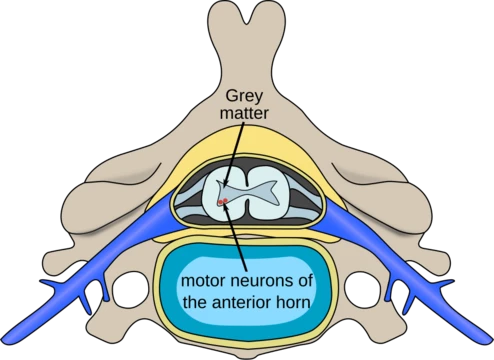
Juvenile primary lateral sclerosis (JPLS) is a very rare genetic disorder characterized by progressive weakness and stiffness of muscles in the arms, legs, and face. It damages motor neurons, the specialized nerve cells in the brain and spinal cord that control muscle movement. The condition is notable for its early childhood onset and the small number of reported cases.
Quick Facts
- Inheritance pattern
- Autosomal recessive
- Gene involved
- ALS2
- Chromosome location
- Chromosome 2
- Protein produced
- Alsin
- Age of symptom onset
- Early childhood
- Typical progression period
- 15 to 20 years
Facts from the source article.
Did You Know?
- Early symptoms include clumsiness, muscle spasms, weakness and stiffness in the legs, and difficulty with balance.
- As symptoms progress, they include weakness and stiffness in the arms and hands, slurred speech, drooling, difficulty swallowing, and an inability to walk.
- Treatment includes physical therapy, occupational therapy, and use of computer technologies and devices to facilitate writing and voice communication.
Genetics
Juvenile primary lateral sclerosis is inherited in an autosomal recessive pattern, meaning two altered copies of the gene are required for the disorder to manifest. Parents of affected individuals typically each carry one copy of the altered gene but show no signs or symptoms. Mutations in the ALS2 gene on chromosome two cause the condition. This gene provides instructions for producing the alsin protein, which is widely expressed throughout body tissues but is especially concentrated in motor neurons. Alsin normally regulates small GTPase proteins, which act as molecular switches involved in protein and fat placement in the cell membrane, endocytosis, and the development of axons and dendrites. When disrupted, the alsin protein becomes unstable and nonfunctional, impairing critical neuronal processes. It remains unknown how the loss of functional alsin leads to motor neuron death and the symptoms of juvenile primary lateral sclerosis.
More in Motor Neuron Diseases
Spotted an error? Know more?
Reader corrections go straight into our review queue. Suggest an edit · How this site is sourced